
Shuttlecock rebound refers to how a shuttlecock recovers its original shape and transfers energy immediately after colliding with your racket strings. This dynamic physical reaction directly dictates how fast the shuttlecock travels, how far it flies, and how predictably it behaves along its trajectory. Understanding this specification is essential for players who want to transition from simply hitting the ball to executing strategic, high-precision badminton rallies.
Understanding Shuttlecock Rebound as a Performance Spec
When a racket makes contact with a shuttlecock, the skirt—whether made of natural feathers or synthetic nylon—deforms under the force of the impact. The speed and efficiency with which the skirt springs back to its original flared shape is what coaches and manufacturers refer to as rebound. A quick, clean recovery ensures that energy from your swing is efficiently converted into forward momentum rather than being lost to structural drag.
To find a shuttlecock with the right rebound properties, you should examine the manufacturer’s packaging labels and product descriptions. Most brands categorize their products by speed ratings, performance tiers, or specific flight classifications. These ratings are often represented by numbers ranging from 75 to 79, or simple designations like slow, medium, and fast, which serve as direct indicators of how the shuttlecock will react to impact.
Products mentioned in this guide
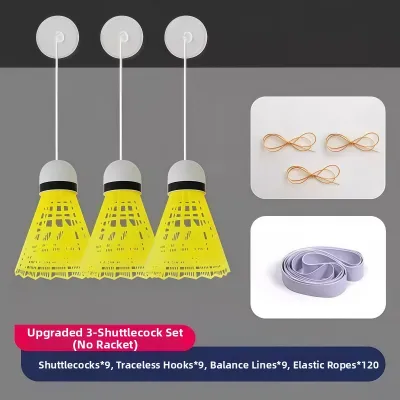
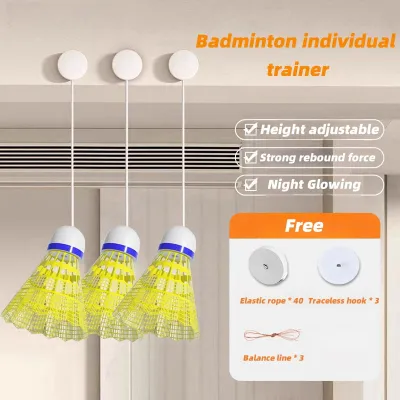
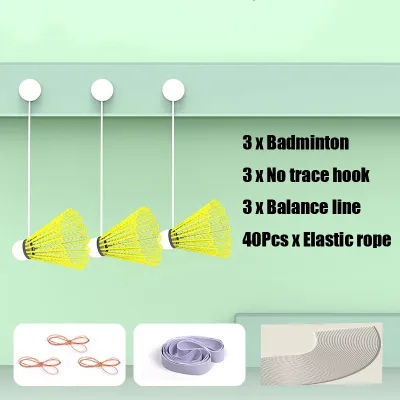
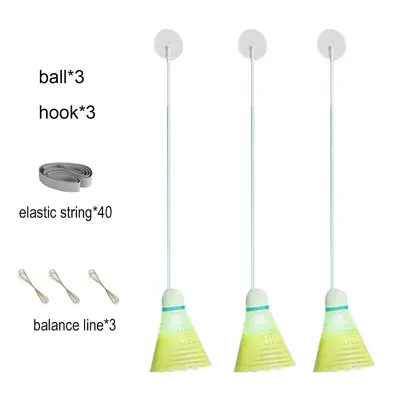
Prices are valid at publication and may change. Please refer to the product page for the latest price.
It is important to recognize that rebound is not a static, single-number metric. Instead, it is a dynamic performance characteristic shaped by several physical components working in tandem. The density of the cork base, the stiffness of the natural feathers or synthetic fibers, and the binding glue used in construction all dictate how much energy is retained or dampened during a stroke.
How Rebound Characteristics Affect Your Gameplay
Shuttlecocks engineered with high-rebound characteristics deliver faster initial speeds and cover longer distances with less physical effort. While this makes deep baseline-to-baseline clears easier to execute, it also demands exceptional timing and racket face control. If your swing technique is still developing, a high-rebound shuttlecock can easily lead to out-of-bounds errors or erratic defensive returns.

Conversely, a shuttlecock with lower or dampened rebound properties offers a slower flight path and shorter overall distance. This characteristic provides a higher degree of control, making it easier to place shots accurately near the net. The trade-off is that you must generate more physical power from your wrist and forearm to push the shuttlecock deep into the opponent’s court.
Environmental factors play a massive role in how these rebound characteristics manifest on the court. In hot and highly humid tropical environments, such as typical indoor courts in the Philippines, the air is denser, which naturally slows down the shuttlecock’s flight. To counteract this dampening effect, players often need to verify manufacturer climate charts and opt for a slightly faster speed rating to maintain their desired rebound performance.
Choosing the right balance is ultimately a compromise between power and precision. While a high-rebound shuttlecock helps you maintain depth during exhausting rallies, it can compromise the delicate touch needed for advanced net plays, tight drop shots, and deceptive slices. Evaluating your personal playing style will help you decide which side of this trade-off to prioritize.
Matching Shuttlecock Rebound to Your Skill Level and Style
For beginners and casual players, durability and forgiving flight characteristics are far more valuable than ultra-precise tournament specifications. Synthetic nylon shuttlecocks or lower-tier training options are highly recommended for this group. These options feature resilient skirts that withstand off-center hits while providing a predictable, albeit slightly dampened, rebound that helps players develop consistent swing mechanics.
Advanced and competitive players, on the other hand, require absolute consistency in rebound performance to execute high-speed smashes and tight net tumbles. If you play at this level, you should look for premium goose or duck feather options that carry official tournament-grade certifications. Verifying the material grade and checking for reinforced double-stitched feathers will ensure the shuttlecock retains its structural integrity and rebound profile over multiple intense rallies.
Before committing to a bulk purchase of several tubes, always perform practical on-court verification. Consider purchasing a single tube first to test how the shuttlecocks behave under your local court conditions. You can also check the return and exchange policies of your local sports store, or experiment with different speed ratings to find the exact match for your racket tension and physical strength.
Frequently Asked Questions (FAQ)
Does a higher price always guarantee better rebound consistency?
While premium, high-priced shuttlecocks generally utilize superior natural feathers and high-density cork that offer exceptional rebound consistency, price alone is not a universal guarantee of quality. A highly expensive tournament-grade shuttlecock can quickly lose its premium flight characteristics if used by beginners who frequently misdirect hits onto the feather skirt. Instead of relying solely on the price tag, look for specific performance labels, material construction details, and verified user feedback that align with your actual playing frequency and skill level.
How can I test a shuttlecock's rebound before buying in bulk?
The most reliable way to test a shuttlecock’s rebound is to perform a standard on-court clear test. Stand at your baseline and hit a full-force, underhand clear stroke, aiming to observe the flight trajectory, deceleration rate, and where the shuttlecock lands relative to the opposite boundary lines. Additionally, inspect the physical construction of the shuttlecock before hitting; check that the feathers are perfectly aligned, the cork base feels firm when squeezed, and the glue lines are clean and uniform, as these physical indicators directly correlate with stable rebound performance.

Community discussion
Share your experience or ask a question. Comments are reviewed before publication.