
Choosing the right fishing rod holster is a critical decision that directly impacts the lifespan of your gear and the ease of your journey to the water. The choice between a single-rod holster and a multi-rod holster comes down to a fundamental trade-off: maximum individual protection and rapid mobility versus consolidated transport and multi-tactic readiness. If you prefer to travel light, fish with a single versatile setup, or hike through dense brush to reach remote riverbanks, a single-rod holster provides the streamlined profile and quick-access design you need. Conversely, if you manage multiple specialized setups for different species or techniques and require a single, organized system to transport your gear in a vehicle or boat, a multi-rod holster is the more practical choice. The ideal configuration depends on verifiable factors such as your current gear volume, your primary transport methods, and the specific environments where you fish.
Assessing Your Fishing Transport and Storage Needs
Before comparing specific holster designs, you must evaluate your current gear inventory and how you transport it. Begin by conducting a thorough inventory check of the rods and reels you actually use on a typical outing. If you regularly fish with only one spinning setup for local freshwater species, your storage needs differ significantly from an angler who carries a baitcasting setup for heavy cover and a light spinning rod for open water. Count the number of fully rigged setups you plan to carry simultaneously, as this dictates the minimum capacity your holster must support.
Next, analyze your transport logistics and the physical journey to your fishing spots. If you commute on a motorcycle, pack your gear into a compact car trunk, or walk long distances along narrow, overgrown trails, space and portability are your primary constraints. A bulky holster can become a major safety hazard or physical burden in these scenarios. Conversely, if you fish primarily from a boat or have a spacious utility vehicle, transport volume is less of an issue, and consolidating your gear into a single package becomes highly desirable.
Products mentioned in this guide
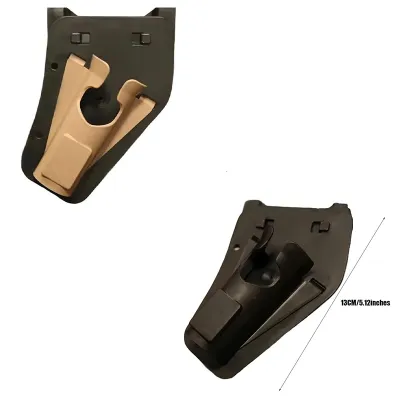
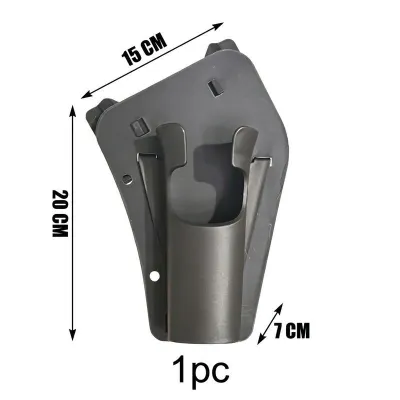
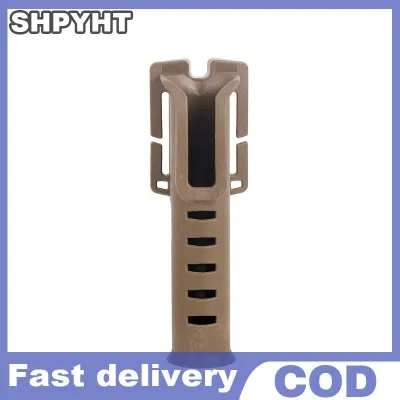
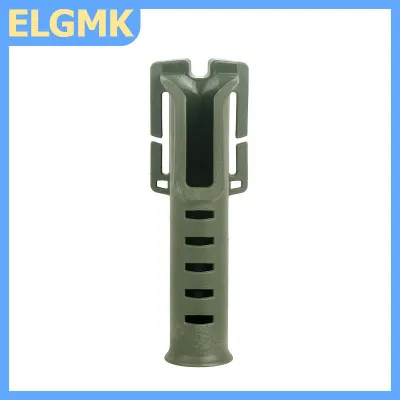
Prices are valid at publication and may change. Please refer to the product page for the latest price.
Finally, consider your storage environment both at home and during transit. In tropical climates with high humidity, such as the Philippines, trapped moisture is a constant threat to your fishing gear. Holsters stored in damp garages or tightly sealed vehicle interiors can trap humid air, leading to mold growth on cork handles and accelerated corrosion on guides and reel seats. Your chosen holster must not only protect against physical impacts but also allow for proper ventilation and easy inspection of your gear during storage.
Single-Rod Holsters: Design Features and Ideal Scenarios
Single-rod holsters are engineered to provide dedicated protection and maximum mobility for a single rod and reel setup. When evaluating these holsters, the first aspect to examine is the level of physical protection they offer. Manufacturers typically construct these cases using either a rigid hard-shell design, often featuring a PVC or heavy-duty plastic core wrapped in nylon, or a padded soft-shell design. Hard-shell options provide excellent crush resistance, making them suitable for transport in crowded vehicles where other heavy gear might shift. Soft-shell options, while offering less impact resistance, are lighter, more flexible, and easier to store when empty.

Accessibility and carrying comfort are major advantages of the single-rod design. Many single-rod holsters feature integrated sling systems, adjustable shoulder straps, or belt clips that allow you to carry the rod securely on your back or hip while keeping your hands completely free. This hands-free mobility is highly beneficial for active shore fishing, wading in rivers, or navigating rocky coastlines where balance is essential. Quick-draw designs allow you to slide the rod out of the holster rapidly when you spot rising fish, minimizing setup time on the water.
However, single-rod holsters have clear limitations when your gear collection grows. Attempting to carry two or three separate single-rod cases simultaneously quickly becomes awkward and physically exhausting. The individual shoulder straps can tangle, and the separate cases will bounce against each other as you walk, defeating the purpose of a streamlined setup. If you find yourself regularly needing more than one rod on your trips, relying solely on multiple single-rod holsters is rarely a practical long-term solution.
Multi-Rod Holsters: Capacity, Protection, and Use Cases
Multi-rod holsters are designed to consolidate multiple rod and reel setups into a single, organized transport system. The primary feature to verify in a multi-rod holster is its capacity and how it isolates each individual rod. High-quality multi-rod designs do not simply crowd rods into a single open compartment; instead, they feature internal dividers, padded sleeves, or dedicated straps to keep each setup separate. This isolation is critical because it prevents rods, guides, and reels from rubbing against one another during transit, which can cause structural scratches, bent guides, or tangled lines.
These holsters are highly suited for specific fishing scenarios, such as boat fishing, tournament preparation, or situations where you must quickly switch tactics. For example, if you need to transition rapidly from casting topwater lures to jigging deep structure, having three fully rigged rods ready in a single case allows you to adapt instantly without the time-consuming process of cutting and re-tying rigs. This multi-tactic readiness is a significant advantage for competitive anglers or those fishing in fast-changing coastal conditions.
Despite their convenience, multi-rod holsters demand careful consideration regarding weight and balance. A holster loaded with three or four rods, reels, and associated tackle is heavy and can cause significant physical strain during long walks. To mitigate this, look for designs that feature ergonomic, backpack-style shoulder straps or heavily padded center handles that distribute the weight evenly across your body. If you must walk long distances to reach your fishing spot, a fully loaded multi-rod holster may prove too cumbersome, making it better suited for trips where the walk from your vehicle to the water is short.
Core Specifications to Compare Before Buying
When shopping for a fishing rod holster on online marketplaces, you must look past marketing claims and focus on verifiable specifications. Material quality and weather resistance are paramount, especially for protecting gear from intense tropical sun and sudden downpours. Check product labels for high-denier nylon or polyester fabrics (such as 600D or 1000D) with water-resistant polyurethane coatings. Additionally, ensure the zippers are made of heavy-duty plastic or nylon rather than corrosive metals, as saltwater exposure will quickly seize metal zippers, rendering the holster useless.
External storage capacity is another critical specification to evaluate. Many holsters include exterior pockets designed to hold tackle boxes, pliers, line cutters, and personal items. Check the dimensions of these pockets to ensure they can accommodate your standard utility boxes. A well-designed holster with adequate external storage can eliminate the need to carry a separate tackle bag, further streamlining your mobile fishing setup.
Before making a purchase, you must measure your gear to verify dimensional compatibility. Measure your longest rod when broken down into its transport state (e.g., the length of a two-piece rod section) and compare it to the internal length specification of the holster. Do not forget to measure the height and width of your largest reel, as some holsters have integrated reel pouches that may not accommodate oversized spinning reels or heavy-duty baitcasting setups.
To help you compare these two configurations directly, the following matrix outlines the key design differences and verification points for each holster type.
Comparison Matrix: Single-Rod vs. Multi-Rod Holsters
| Feature | Single-Rod Holster | Multi-Rod Holster |
|---|---|---|
| Capacity | Strictly limited to one rod and reel setup. | Typically holds 2 to 6 rods, depending on design. |
| Protection Level | High individual protection; no risk of rod-on-rod friction. | Variable; requires internal dividers to prevent gear damage. |
| Portability | Highly streamlined; lightweight and easy to carry on foot. | Bulkier and heavier; requires robust straps for comfortable carry. |
| Accessibility | Quick-draw designs allow rapid access while wading or walking. | Slower access; usually requires laying the case flat to open. |
| Storage Footprint | Minimal; easily fits in compact trunks or motorcycle racks. | Larger; requires dedicated cargo space in vehicles or boats. |
| Best Suited For | Mobile shore anglers, wading, and single-setup trips. | Boat anglers, multi-tactic fishing, and vehicle transport. |
Decision Framework: Which Holster Fits Your Setup?
To make the final decision on which fishing rod holster to buy, apply this conditional framework to your specific fishing habits and gear requirements.
Choose a single-rod holster if you:
- Prioritize maximum individual protection for a high-value rod and reel.
- Walk long distances, hike through dense vegetation, or actively wade in rivers and coastal waters.
- Typically fish with a single, versatile rod setup and prefer to travel as light as possible.
- Have limited transport space, such as commuting on a motorcycle or using public transit.
Choose a multi-rod holster if you:
- Regularly transport two or more fully rigged setups to adapt to changing water conditions.
- Fish primarily from a boat, kayak, or vehicle where the holster remains stationary during the fishing session.
- Need to consolidate your gear into a single, organized package to simplify packing and unpacking.
- Do not mind the additional weight in exchange for having multiple tactical options readily available.
Before finalizing your purchase from any online store, always verify the exact physical dimensions of your gear. Measure your rod’s collapsed length and your reel’s clearance requirements, and check the manufacturer’s specifications to ensure a secure fit. Taking these steps ensures your new holster will perform reliably and protect your investment on every fishing adventure.
Frequently Asked Questions (FAQ)
Can I use a multi-rod holster for just one rod?
Using a multi-rod holster to transport only one rod is possible, but it requires careful precaution. When a multi-rod case is under-loaded, the empty space inside can allow a single rod to shift, slide, or bounce violently during transport, increasing the risk of guide breakage or structural damage. Before attempting this, check if the holster features adjustable internal straps, tie-downs, or compression sleeves that can securely lock a single rod in place. If the holster lacks these securing mechanisms, you should avoid using it for a single rod unless you can pack the empty space with soft gear, such as a towel or rain jacket, to prevent movement.
How do I clean and maintain a fishing rod holster after saltwater trips?
Proper maintenance is essential to prevent salt corrosion and mold growth, especially after fishing in coastal saltwater environments. Begin by performing a visual inspection of the holster, removing all gear, tackle, and debris from the pockets. Gently rinse the exterior and interior of the holster with fresh water to dissolve salt deposits, paying close attention to the zipper tracks. Avoid using harsh chemical detergents or hot water, which can degrade water-resistant coatings; instead, refer to the manufacturer’s care label for approved cleaning agents. Allow the holster to air-dry completely in a shaded, well-ventilated area before storing it, as trapping moisture inside a closed holster in humid climates will quickly lead to mold and mildew.

Community discussion
Share your experience or ask a question. Comments are reviewed before publication.