
Choosing between slow pitch and fast jigging lures is not about finding a single superior option, but about matching your lure’s physical design to your target species, water conditions, and physical endurance. Slow pitch lures are designed to mimic injured, falling prey with a fluttering, horizontal descent, making them ideal for bottom-dwelling species. Fast jigging lures mimic fleeing baitfish with a rapid, vertical, and erratic upward motion, which triggers aggressive strikes from fast-moving pelagic predators. Your decision should align with the specific depth you are fishing, the current speed, and the rod and reel setup you plan to use on the water. Understanding these mechanical differences prevents wasted effort on the water and ensures your gear operates within its intended specifications.
Core Differences in Action, Design, and Technique
The fundamental distinction between slow pitch and fast jigging lures lies in their shape and weight distribution, which directly dictate how they behave in the water column. Slow pitch jigs are typically wider, asymmetrical, and center-weighted or leaf-shaped. This design creates high water resistance, causing the jig to stall, turn sideways, and flutter slowly downward when line tension is released. The goal is to keep the lure in the strike zone as long as possible, presenting an easy target for nearby predators.
In contrast, fast jigging lures, often referred to as speed jigs, feature a long, slender, and tail-weighted profile. This streamlined shape is engineered to slice through the water column rapidly, minimizing resistance during both the descent and the high-speed retrieve. Instead of fluttering, these jigs dart erratically in a vertical path, simulating a panicked baitfish escaping toward the surface.
Products mentioned in this guide
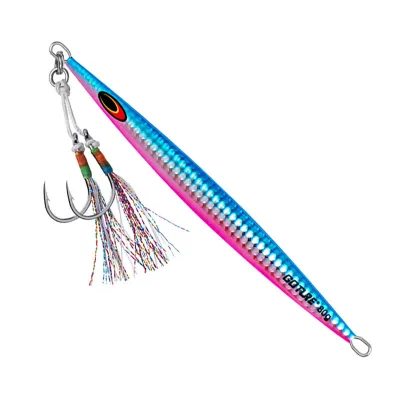
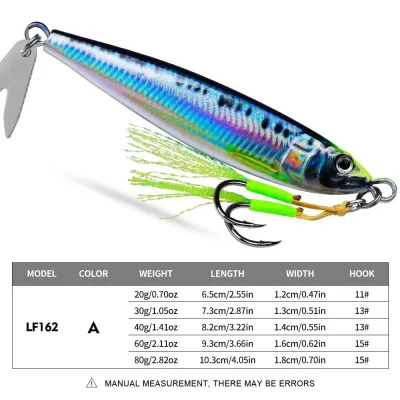
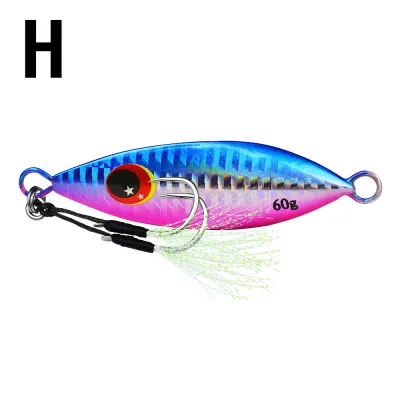
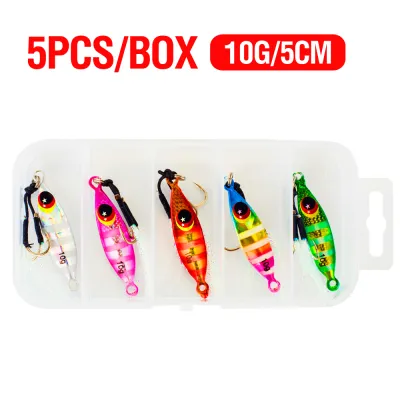
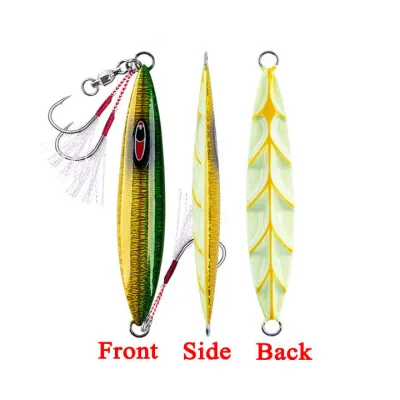
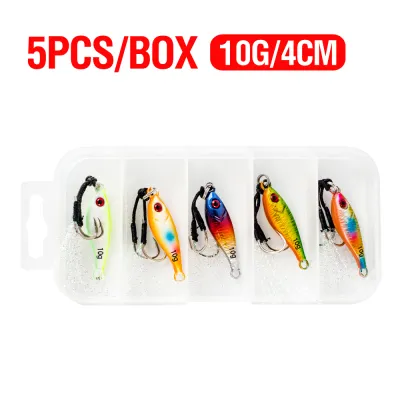
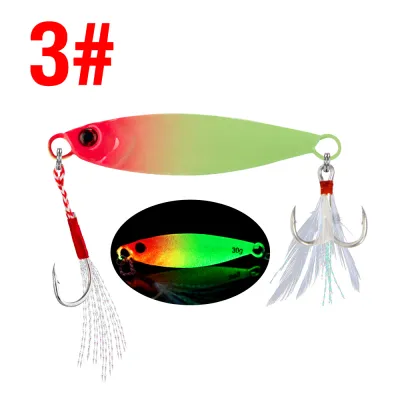
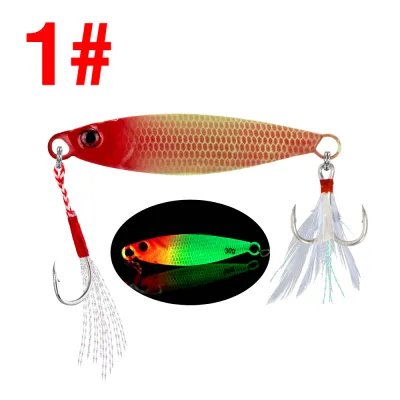
Prices are valid at publication and may change. Please refer to the product page for the latest price.
These physical designs require entirely different retrieval cadences and rod manipulations. Slow pitch jigging relies on the mechanical recoil of a highly parabolic rod. The angler turns the reel handle in precise increments, such as a half or full turn, to load the rod tip. When the rod springs back, it lifts the jig and allows it to slide horizontally on a momentarily slack line. Fast jigging, or mechanical jigging, demands a continuous, high-energy rhythm of upward rod jerks synchronized with rapid reel cranks. This creates an aggressive, zig-zagging motion that requires significant physical stamina and coordination.
Hook placement also differs significantly to accommodate the unique strike angles of each technique. Because slow pitch jigs spend most of their time fluttering horizontally and are frequently struck on the fall, they require assist hooks at both the head and the tail. These hooks are tied on relatively long, supple assist cords that allow the hooks to float freely and get sucked into a fish’s mouth from any angle. Fast jigging lures, which are typically struck from behind or the side during a rapid upward retrieve, generally use a single or double assist hook set attached only to the top solid ring. This configuration prevents the hooks from tangling with the line during fast vertical movements and reduces the risk of snagging on the seabed.
Matching Lure Type to Target Species and Water Depth
Selecting the right jigging lure requires a clear understanding of your target species’ feeding habits and the environmental conditions of your fishing venue. Slow pitch jigging is highly effective for bottom-dwelling reef species, such as groupers, snappers, and amberjacks. These fish are typically opportunistic ambush predators that prefer to target slow-moving, injured prey hovering near underwater structures. The slow, fluttering action of a center-weighted jig mimics a dying baitfish, enticing these cautious predators to leave their rocky shelters.

Conversely, fast jigging is the primary method for highly active, fast-moving pelagic predators like tuna, mackerel, and giant trevally. These species possess excellent eyesight and are triggered by high-speed, erratic movements that simulate a fleeing baitfish escaping toward the surface. The rapid, vertical presentation of a speed jig appeals to their predatory instincts, often triggering aggressive, competitive strikes from schooling fish.
Water depth and current strength also heavily influence how these lures perform. In deep waters with strong currents, a wide slow pitch jig can drift significantly off-target due to its high surface area and slow sink rate. To counter this, anglers must check the manufacturer’s weight specifications and select heavier, narrower slow pitch profiles, or switch to a streamlined fast jig that cuts through the current to reach the strike zone quickly. Using a jig that is too light for the current prevents you from maintaining a vertical line, which is essential for both techniques.
Water temperature and fish lethargy are additional factors to consider before choosing your lure. In tropical waters, seasonal temperature shifts or sudden thermoclines can cause fish to become lethargic and unwilling to chase fast-moving prey. During these periods, the subtle, prolonged flutter of a slow pitch jig kept in the strike zone can entice a bite from inactive fish. Conversely, when warm currents bring active schools of baitfish, the aggressive, high-speed motion of a fast jig is far more effective at triggering competitive feeding behavior among pelagic schools.
Rod, Reel, and Line Compatibility Requirements
To fish either technique successfully, your rod, reel, and line must be carefully matched to the physical demands of the lure. Slow pitch jigging requires a specialized rod with a slow, fully parabolic action that bends throughout its entire length. This bend is essential for lifting the jig and allowing it to slide horizontally on the drop. Attempting to use a stiff, fast-action rod for slow pitch jigging will prevent the jig from fluttering correctly, rendering the presentation ineffective.
Fast jigging requires a completely different rod design. These rods feature a fast recovery tip and a powerful, stiff backbone to handle the heavy resistance of pulling a streamlined jig rapidly through the water column. The rod must be stiff enough to transfer your physical jerks directly to the lure without absorbing too much of the energy, ensuring the jig darts erratically as intended.
Reel specifications must also align with your chosen technique. Slow pitch reels are typically overhead, conventional models with a high line retrieve per crank but a relatively low gear ratio to provide high cranking power. This allows the angler to manipulate the jig primarily using the reel handle rather than the rod. Fast jigging can be done with either heavy-duty spinning or overhead reels. These reels must feature robust drag systems and high gear ratios to maintain the rapid, continuous retrieve required to keep the jig moving erratically.
Both techniques require high-quality braided mainlines to minimize water resistance and maximize sensitivity. For slow pitch, thin, multi-color braided lines help monitor exact depths, paired with a long fluorocarbon leader to handle abrasion against reef structures. Fast jigging demands a heavier shock leader, often made of nylon monofilament or thick fluorocarbon, to absorb the violent, sudden strikes of pelagic fish hitting a fast-moving lure. Always verify that your line and leader ratings match the manufacturer’s recommendations for your specific rod and reel.
Decision Framework: Which Jigging Lure Should You Buy?
To finalize your purchase decision, apply a clear set of conditional rules based on your typical fishing scenarios, target species, and existing gear setup.
Choose slow pitch jigs if you primarily target bottom-dwelling reef species, fish over complex underwater structures, prefer a less physically demanding rhythm, and own a specialized parabolic rod setup. It is also the ideal choice when fish are inactive or holding tight to the bottom, as the slow flutter keeps the lure in the strike zone longer.
Choose fast jigging jigs if you are targeting fast-moving pelagic species in the upper and mid-water columns, want to cover a large vertical area quickly, enjoy a high-energy, athletic fishing style, and possess a stiff, fast-action rod and high-speed reel.
Verify first before purchasing a large selection of jigs. If booking a charter boat in deep-water areas like the Apo Reef or the seas off Siargao, consult the captain or local guides regarding the prevailing current speeds and typical depth ranges. Some regional fisheries may have specific regulations or hook limits that dictate how many assist hooks you can run on a single jig. Additionally, check the manufacturer’s weight ratings on your rod to ensure you do not exceed the recommended jig weight, which can damage your equipment.
Building a technique-specific setup requires careful budget planning. A complete slow pitch outfit—including a specialized parabolic rod, high-retrieve overhead reel, thin braided line, and a selection of center-weighted jigs—can range from ₱15,000 to over ₱40,000 depending on the brand’s entry-level or premium specifications. Fast jigging setups can be similarly priced but offer more versatility if you already own heavy spinning gear. Avoid buying mismatched gear, as attempting to fish a slow pitch jig on a stiff fast-jigging rod will ruin the lure’s action and reduce your hook-up rate.
Frequently Asked Questions (FAQ)
Can I use a slow pitch jig for fast jigging or vice versa?
Using a slow pitch jig for fast jigging is generally ineffective. The wide, asymmetrical body of a slow pitch jig creates massive water resistance when pulled rapidly, causing it to spin uncontrollably, twist your line, and fail to mimic a fleeing baitfish. Conversely, a streamlined fast jig dropped on a slow pitch retrieve will simply sink like a stone without the characteristic horizontal flutter, failing to entice bottom predators.
Which jigging technique is better for beginners?
For beginners, slow pitch jigging is often more approachable because it is physically less exhausting than the continuous, high-speed jerking of fast jigging. However, slow pitch requires precise timing and specialized gear to work correctly. If you already own general-purpose offshore spinning gear, starting with light fast jigging may require less initial investment. Always check with local charter guides to see which method is currently producing fish in your target area before buying gear.
How do I maintain and prevent rust on jigging lure hooks?
To prevent rust on assist hooks and preserve the finish of your jigs, thoroughly rinse them with fresh water after every saltwater trip. Allow them to dry completely in a well-ventilated, shaded area before storing them in a tackle binder. Check the manufacturer’s care instructions before applying any aftermarket rust inhibitors, and inspect hook points regularly, replacing any dull or corroded hooks to ensure reliable hook-sets on your next trip.

Community discussion
Share your experience or ask a question. Comments are reviewed before publication.