
Fitting an incline treadmill into a condo requires looking beyond the basic floor dimensions. Unlike standard flat treadmills, an incline treadmill moves both vertically and horizontally, changing its spatial demands dynamically during a workout. To ensure a safe and functional home gym setup, you must calculate three critical spatial dimensions: the physical floor footprint with safety clearances, the vertical ceiling height at maximum incline, and the surrounding clearance for ventilation and electrical safety. Taking the time to measure these factors beforehand prevents costly return fees, structural damage, and safety hazards in your living space.
Condo living in urban areas often presents unique spatial constraints, such as compact layouts, lower ceiling heights, and shared walls or floors with neighbors. Introducing a heavy, motorized piece of fitness equipment into this environment requires careful planning. By systematically evaluating your available space, checking your building’s guidelines, and verifying the technical specifications of your chosen machine, you can enjoy high-intensity incline workouts without compromising your home’s comfort or safety.
Measuring Your Condo Floor Space and Walkways
Before purchasing an incline treadmill, you must determine its static footprint and map it against your available floor space. Start by obtaining the manufacturer’s official specifications for the machine’s length and width when fully assembled. This base frame measurement represents the absolute minimum physical space the treadmill will occupy when idle, but it is not the actual space required for safe operation.
Products mentioned in this guide
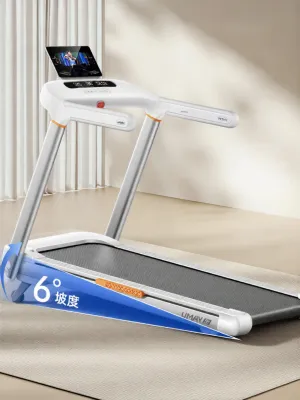
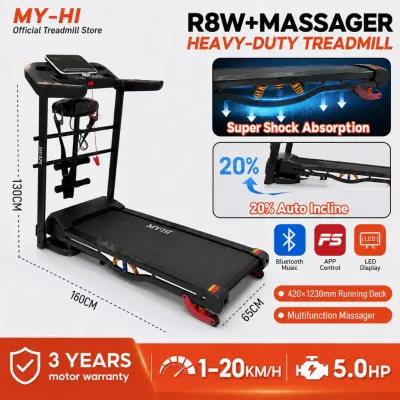
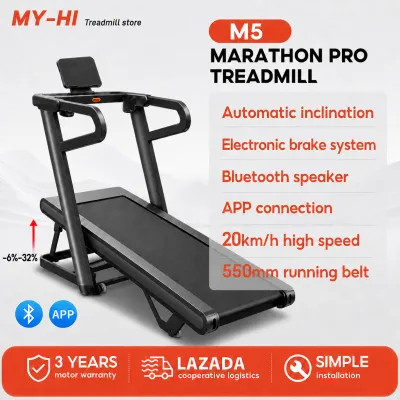
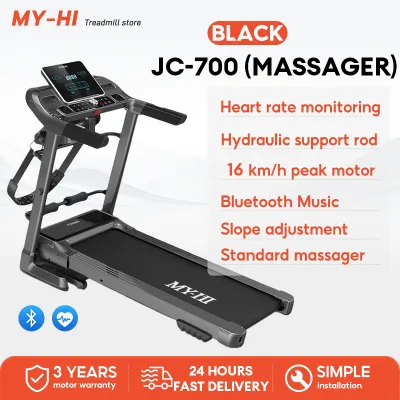
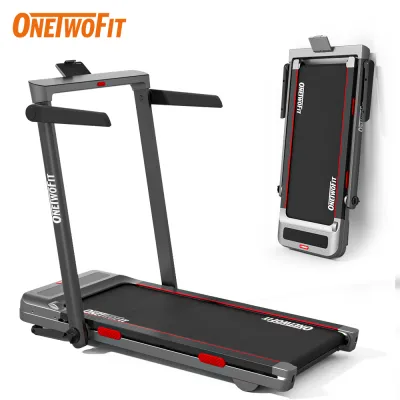
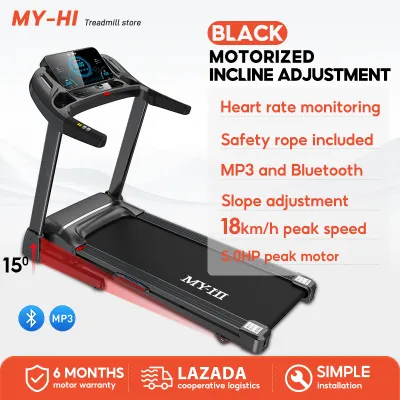
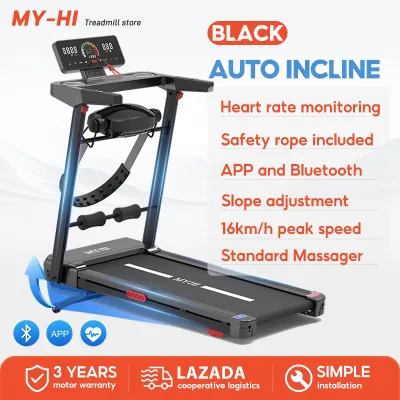
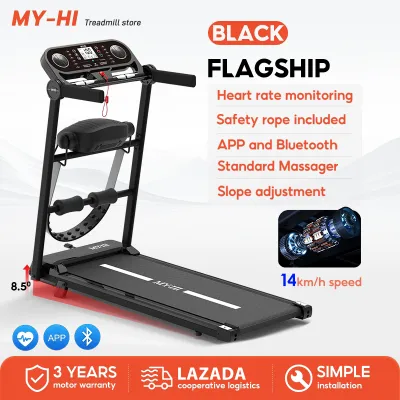
Prices are valid at publication and may change. Please refer to the product page for the latest price.
Safety guidelines generally dictate that you must maintain a clear, unobstructed zone around the treadmill. A safe setup typically requires a significant clearance zone behind the belt—often up to two meters—to prevent injury if you slip or fall backward during a run. Additionally, leaving at least half a meter of open space on both sides of the machine allows you to mount and dismount safely and provides room to step off the deck in an emergency. You should consult your specific model’s user manual to verify the exact clearance boundaries recommended by the manufacturer.
Once you have mapped out the footprint and safety zones, verify that the designated spot does not block essential pathways within your condo. Walkways must remain clear to comply with local safety codes and ensure daily convenience. Ensure the treadmill does not obstruct access to main doors, bedroom entryways, built-in closets, or balcony doors. If you must squeeze past the machine to reach another room, the location is not suitable and could lead to accidental bumps or injuries.
Calculating Ceiling Height for Maximum Incline
One of the most overlooked aspects of installing an incline treadmill in a condo is vertical clearance. When you increase the incline on a treadmill, the entire running deck rises, lifting you closer to the ceiling. If your ceiling is too low, you risk hitting your head or feeling cramped during your workouts.

To determine if your condo’s ceiling height is sufficient, you can use a straightforward calculation: combine your own height, the maximum deck elevation of the treadmill, and a comfortable headroom buffer. For example, if you stand 175 centimeters tall, and the treadmill deck rises by 40 centimeters at its maximum incline setting, your head will reach a height of 215 centimeters. Adding a safety headroom buffer of at least 30 to 40 centimeters ensures you will not strike the ceiling during high-impact running or walking. This buffer also accounts for the natural vertical bounce that occurs when you run.
Because deck lift heights vary significantly between brands and models, you must check the specific product manual or technical datasheet for the exact elevation figures. Do not rely on generic estimates, as high-incline trainers can elevate the deck much higher than standard treadmills. Furthermore, inspect your ceiling for potential hazards. Low-hanging light fixtures, ceiling fans, structural concrete beams, and fire sprinkler heads can drastically reduce your effective vertical clearance. Ensure the treadmill is positioned far away from these fixtures to prevent severe injury or property damage.
Planning for Clearance, Ventilation, and Electrical Safety
Operating an incline treadmill generates substantial heat and draws significant electrical power, both of which require careful planning in a compact condo environment. Proper ventilation is essential for the machine’s longevity. You must maintain adequate rear and side clearance to allow the motor housing and electronics to vent heat effectively. Placing a treadmill too close to a wall or inside a tight closet can trap hot air, leading to motor overheating, premature belt wear, or electronic failure.
Electrical safety is another critical consideration for high-draw fitness equipment. Incline treadmills feature powerful motors that can strain shared electrical circuits, especially in older condo buildings. To prevent tripped circuit breakers or electrical hazards, plan to plug the treadmill into a dedicated wall outlet. Avoid using extension cords or multi-outlet adapters, as these can cause voltage drops and damage the treadmill’s sensitive electronic console and incline motors. Check your condo’s electrical panel and consult a certified electrician if you are unsure about your unit’s wiring capacity.
Additionally, you must consider the physical impact of the machine on your condo’s structure and your neighbors. Incline treadmills are heavy, and the impact of running can transfer significant noise and vibration through concrete floors to the unit below. Check your condominium association’s guidelines regarding floor load limits to ensure your floor can safely support the combined weight of the machine and the user. Using a high-density equipment mat designed for heavy treadmills is highly recommended; it helps distribute the weight, protects your tile or wood flooring from scratches, and dampens the sound of your footsteps.
Evaluating Folding and Storage Options for Small Condos
If you live in a studio or a one-bedroom condo, a non-folding incline treadmill might overwhelm your living space. Many manufacturers offer folding models designed to save floor space when the machine is not in use. However, integrating a folding incline treadmill into a small layout requires careful evaluation of its folded dimensions and handling requirements.
Compare the folded footprint of the machine against your designated storage area. Keep in mind that the robust frames and heavy incline mechanisms of these treadmills often add significant bulk, meaning they may not fold as flat or compact as standard, flat-surface treadmills. Some models fold vertically, while others fold at an angle. You must measure the height and depth of the folded unit to ensure it fits comfortably in a corner or closet without tipping over or blocking light.
The physical effort required to fold and unfold the machine is another vital factor. Verify the weight of the deck and check if the treadmill features a hydraulic assist or soft-drop mechanism. These safety features assist in lifting the heavy deck and lower it slowly to the floor, preventing sudden drops. If you have physical limitations, or if the deck is exceptionally heavy, folding the machine daily may not be practical. Finally, ensure the folded unit is highly stable and locked securely in place, particularly if you share your condo with children or pets who could accidentally knock it over.
Common Space-Measuring Mistakes to Avoid
Avoiding common measurement pitfalls can save you from the hassle of returning a heavy piece of fitness equipment. One frequent mistake is relying solely on the static base footprint listed on the product page while ignoring how the machine’s dimensions change during use. As the deck inclines, the overall length of the treadmill may shift, or the console may tilt closer to the user, altering the required clearance zones.
Another common error is forgetting to account for the swing radius of nearby doors, cabinets, windows, or balcony entryways. A treadmill that fits perfectly when idle might block a wardrobe door from opening fully or prevent you from accessing your balcony in an emergency. Always map out the swing paths of all doors and drawers in the room before finalizing the treadmill’s position.
Lastly, never assume that all incline treadmills share the same deck lift height or clearance requirements. Assuming a new model will fit in the exact same spot as an older, standard treadmill without verifying the new specifications is a recipe for disappointment. Always consult the specific user manual for the exact model you plan to buy, as even minor design variations can impact safety and usability in a tight condo space.
Frequently Asked Questions (FAQ)
Can I put an incline treadmill on a condo balcony?
Placing an incline treadmill on a condo balcony is generally not recommended due to environmental exposure. In the tropical climate of the Philippines, high humidity, salt air, direct sunlight, and sudden rain showers can quickly damage the treadmill’s electronic components, rust the steel frame, and ruin the incline motor. Such exposure typically voids the manufacturer’s warranty. Additionally, you must check your condominium association’s house rules, as many buildings prohibit heavy equipment on balconies due to structural weight limits and noise regulations that could disturb neighbors.
Do I need a special mat for an incline treadmill in a condo?
Yes, using a specialized equipment mat is highly beneficial when installing an incline treadmill in a condo. You should consult your treadmill’s manual for specific recommendations on mat thickness and material, as a mat that is too soft can cause the machine to wobble. A proper high-density mat absorbs the intense vibrations generated during high-incline workouts, preventing the machine from shifting or walking across the floor. It also acts as a protective barrier for your condo’s flooring and significantly dampens noise transmission to the residents living directly beneath you.

Community discussion
Share your experience or ask a question. Comments are reviewed before publication.