
Setting up a home boxing gym in a compact condominium or bedroom requires balancing high-intensity training with strict spatial limits. The best boxing accessories for tight spaces are those that offer high utility, minimal physical footprint, and easy storage, allowing you to train effectively without damaging your walls, disrupting your neighbors, or cluttering your living area. By focusing on versatile, easily stowed gear and verifying your room’s structural limits, you can build a highly functional training corner that fits seamlessly into your daily routine.
Assessing Your Room's Space and Clearance
Before purchasing any boxing accessories, you must establish the exact physical boundaries of your training area. Begin by measuring the available floor footprint, ensuring you have a clear zone of at least two meters by two meters to move dynamically. Ceiling height is equally critical, especially in modern condominiums where dropped ceilings or low concrete slabs can restrict overhead movement and limit the height of freestanding equipment. You must also calculate your personal swing radius, which includes the full extension of your arms and legs during high-energy combinations.
Structural composition dictates what kind of equipment your space can safely support. Many interior condo walls are made of lightweight drywall or hollow concrete blocks, which cannot bear the dynamic load of a swinging heavy bag. You must locate solid concrete columns or load-bearing walls if you plan to install any semi-permanent fixtures. Additionally, measure your doorway widths and hallway clearances to confirm that any bulky items, such as a heavy freestanding base, can actually be maneuvered into your unit upon delivery.
Products mentioned in this guide
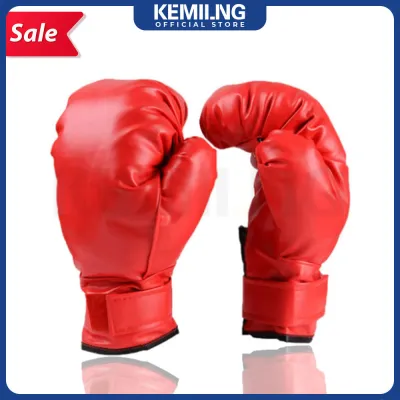
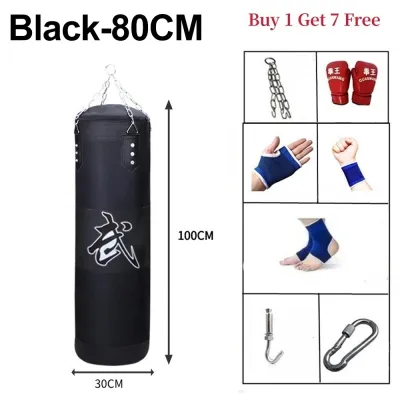
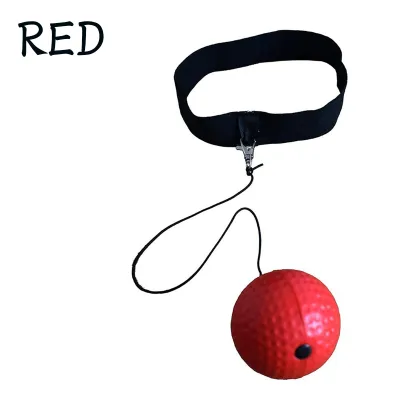
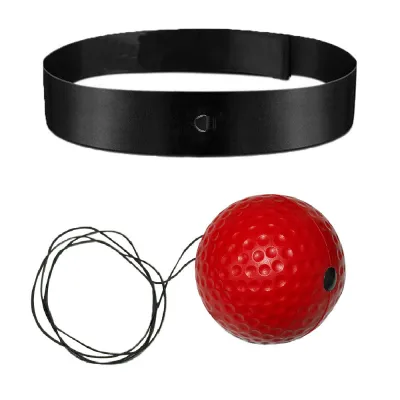
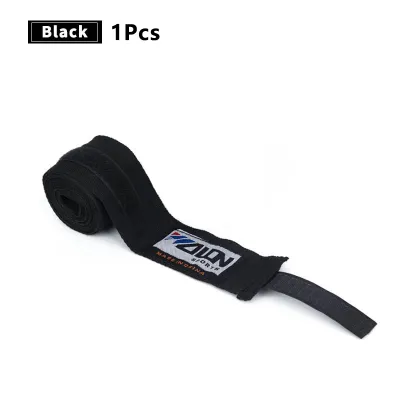
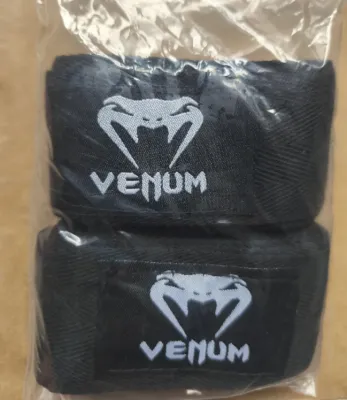
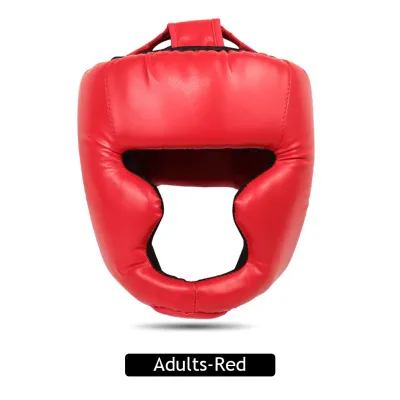
![[COD] E-WOITD Kids Taekwondo PU Rebound Sponge Durable Double Kick Pad Target Boxing Sanda Pad For Tae Kwon Do Karate Training Small Gifts](https://img.lazcdn.com/g/p/fdf8c0c89c5852548121eb4fa9aa2165.jpg_400x400q80.jpg_.webp)
Prices are valid at publication and may change. Please refer to the product page for the latest price.
Evaluating Space-Efficient Boxing Accessories
Maximizing a small room means selecting gear based on its spatial footprint and ease of storage rather than buying a complete commercial gym setup. The ideal boxing accessories for a condo are those that serve multiple training purposes, such as items that build cardiovascular endurance, improve hand-eye coordination, and provide resistance training simultaneously. By prioritizing compact, multi-functional tools, you keep your floor space clear for daily living while maintaining a robust training regimen.

Freestanding and Doorway-Mounted Options
For those who want a physical target to strike, freestanding and doorway-mounted options offer distinct advantages and limitations in a small room. Doorway pull-up bars with integrated bag mounts utilize existing architectural frames, but they require careful verification of the door frame’s material and strength. You must inspect the frame to ensure it is solid wood or reinforced metal, as hollow-core frames will warp or crack under the stress of active training. Always check the manufacturer’s weight capacity guidelines and ensure there is ample clearance on both sides of the doorway to prevent swinging into the walls.
Freestanding punching bags and reflex bags are highly popular for condos because they do not require permanent wall or ceiling installation. A reflex bag has a much smaller base footprint and a slender profile, making it exceptionally easy to slide into a corner when your workout is finished. Freestanding heavy bags provide a more substantial striking surface but feature large, heavy bases that must be filled with sand or water. You must verify that your floor can support this concentrated weight and ensure the base diameter fits comfortably within your designated training zone without blocking walkways.
Compact Wearables and Handheld Gear
When physical floor space is at an absolute premium, compact wearables and handheld gear offer an incredibly effective workout with virtually zero storage footprint. Resistance bands are highly versatile boxing accessories that can be anchored to a heavy piece of furniture or a door to simulate the tension of punching against resistance. They allow you to work on your hand speed and shoulder endurance without the noise or bulk of a physical bag. Jump ropes are excellent for footwork and conditioning, provided you verify your ceiling height and clear any low-hanging light fixtures before you begin skipping.
Shadow boxing weights and weighted gloves add intensity to your movement drills while fitting easily into a small desk drawer or closet shelf. If you have a training partner, compact focus mitts or foldable punching pads provide an interactive target system that can be tucked away in an under-bed bin after use. Utilizing dedicated storage solutions, such as wall-mounted gear racks or shallow plastic bins that slide under your bed, ensures your training gear remains organized and out of sight when you are not actively exercising.
Safe Installation, Storage, and Damage Prevention
Training in a rented condo or a shared family home requires proactive measures to prevent property damage and minimize noise transmission. High-density interlocking foam or rubber floor mats are essential boxing accessories for any indoor setup. These mats absorb the impact of your footwork, protect delicate hardwood or tile floors from scratches, and significantly dampen the thudding sounds that travel through the concrete floor slab to the unit below.
Establishing a dedicated storage zone is crucial for maintaining a safe, clutter-free living environment. Leaving heavy bases, resistance bands, or gloves scattered across the floor creates immediate tripping hazards in a small room. After every session, wipe down your gear to remove sweat and moisture—which can degrade materials quickly in humid tropical climates—and store them in a well-ventilated area. Additionally, create a weekly routine to inspect all mounting hardware, check for leaks in water-filled bases, and examine resistance bands for micro-tears to ensure your equipment remains safe to use.
Common Space-Matching Mistakes to Avoid
One of the most frequent errors when setting up a home boxing corner is purchasing oversized heavy bags that are simply too large for the room. An excessively large bag restricts your footwork, forces you into poor stance habits, and risks colliding with ceiling fans, light fixtures, or nearby furniture during a workout. You must also avoid the temptation to mount heavy brackets on unsupported drywall or unverified ceiling joists, as the dynamic forces of punching can easily tear the hardware loose, resulting in costly structural repairs.
Another common mistake is accumulating redundant gear without a clear storage plan. It is easy to get excited and buy multiple types of gloves, pads, and training aids, but in a small condo, this quickly leads to overwhelming clutter. Stick to a minimalist selection of high-quality, versatile boxing accessories that you know you will use regularly, and ensure every single item has a designated, accessible storage spot before you bring it home.
Frequently Asked Questions (FAQ)
Can I use a heavy bag in a condo without angering my neighbors?
Using a traditional hanging heavy bag in a condominium often transmits severe vibrations through the building’s structure, which can easily disturb your neighbors. To mitigate this, you can use specialized shock-absorbing spring mounts and thick rubber floor mats to isolate the vibration. However, if structural noise remains an issue, switching to low-impact alternatives like a reflex bag, resistance bands, or shadow boxing with light weights is a highly effective way to train quietly during off-peak hours.
How do I protect my walls and furniture during shadow boxing?
To protect your surroundings during shadow boxing, you must establish a strict safety perimeter before you begin moving. Clear a minimum swing radius of at least 1.5 meters in all directions, and consider placing soft corner guards on sharp furniture edges that border your training zone. Always position fragile decor, glass items, and mirrors completely outside of your maximum reach to prevent accidental contact during high-speed combinations.

Community discussion
Share your experience or ask a question. Comments are reviewed before publication.