
Speedo Speed Socket goggles are designed as low-profile, racing-style eyewear engineered to sit snugly within the inner eye socket. This specific design minimizes drag and provides a highly secure fit, making them a popular choice for competitive and advanced fitness swimmers who prioritize hydrodynamics over plush, long-duration comfort. Understanding their technical specifications, lens options, and fit profile helps you determine if they align with your training routine and facial structure.
Core Design and Fit Profile
The defining characteristic of the Speedo Speed Socket series is its low-profile “socket” fit. Unlike recreational goggles that feature wide gaskets resting on the outer orbital bone, these goggles are engineered to sit directly inside the eye socket. This design brings the lenses closer to your eyes, which significantly reduces the profile of the frame. In the water, a lower profile translates to less resistance, helping you maintain optimal hydrodynamics during high-speed starts, turns, and sprints.
However, this socket-style fit requires careful consideration regarding facial anatomy. Because the gaskets sit closer to the eye, the pressure is concentrated on a smaller, more sensitive area. Swimmers with prominent brow bones or narrow eye sockets may experience different pressure points compared to those with flatter facial profiles. To verify if this fit suits your face before diving in, perform a simple suction test. Press the goggle frames gently against your eye sockets without using the head strap. If they hold a brief suction seal for a second or two, the frame shape is likely compatible with your facial structure. If they pop off immediately or cause instant pinching, you may need to adjust the nose bridge or consider a different frame width.
Products mentioned in this guide
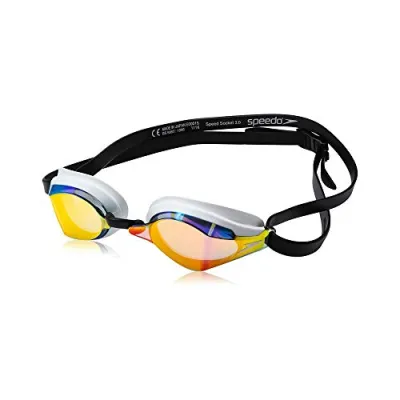
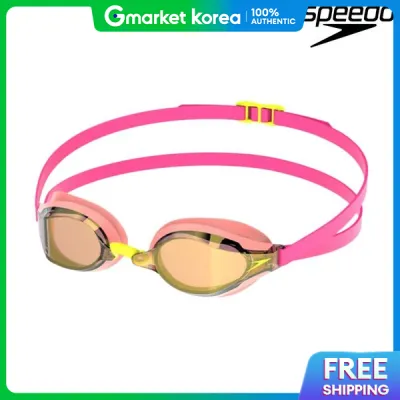
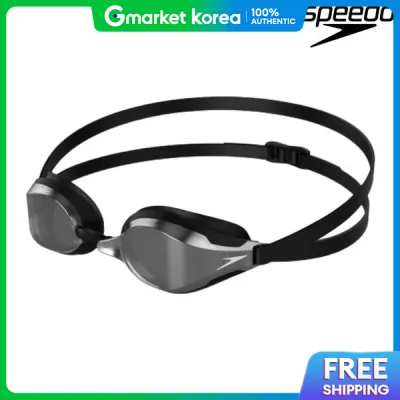
Prices are valid at publication and may change. Please refer to the product page for the latest price.
Lens Technology and Visibility Specs
The lens design of these goggles is optimized for forward and peripheral visibility while maintaining a streamlined shape. The curved, low-profile lenses offer a wide field of vision, allowing you to monitor lane lines and competitors without turning your head excessively. When purchasing, it is essential to check the product packaging or manufacturer specifications to verify the presence of UV protection and anti-fog coatings, which are critical for maintaining clear vision in varying environments.

Choosing the right lens variant depends heavily on where you swim. In the Philippines, where outdoor pools are subjected to intense tropical sunlight and high glare, mirrored or dark-tinted lenses are highly beneficial. Mirrored coatings reflect harsh light away from your eyes, reducing squinting and eye fatigue during midday training sessions. Conversely, if you primarily train in covered pools, indoor facilities, or during early morning hours, clear or light-colored lenses are preferable. These variants maximize light transmission, ensuring you can see the pool bottom and wall markers clearly without dimming your surroundings.
Strap and Seal Construction
To keep the goggles secure during vigorous swimming, the Speed Socket utilizes a dual-strap or split-strap design. This configuration allows you to position one strap higher on the crown of your head and the other lower, anchoring the goggles firmly against your face. This dual-tension system is particularly useful when diving off starting blocks or executing fast flip turns, as it prevents the water pressure from shifting the frame or causing leaks.
The sealing gasket itself is constructed from flexible silicone, designed to conform to the contours of your inner eye socket. When inspecting a new pair, check the flexibility of the silicone; it should feel soft yet resilient. A common mistake is overtightening the straps to force a seal, which often leads to headaches and deep red marks around the eyes. Instead, adjust the strap tension so it is just tight enough to keep the goggles in place, allowing the natural suction of the silicone gasket to do the work of keeping water out.
Matching the Goggles to Your Swimming Needs
These goggles are primarily tailored for competitive athletes, triathletes, and advanced fitness swimmers who require a secure, high-performance fit. The firm seal and streamlined profile are optimized for speed and stability under high-velocity conditions. If your swimming routine involves structured workouts, interval training, or racing, the hydrodynamic advantages of this model can support your performance goals.
For recreational swimmers or those who enjoy long, leisurely sessions in the water, the firm fit of a socket-style goggle may feel too restrictive. Recreational models typically feature larger, foam-padded, or wide-silicone gaskets that distribute pressure across a broader area of the face, offering greater comfort for extended wear. Before purchasing, evaluate your training frequency and comfort tolerance. It is also wise to check the retailer’s return and exchange policies, as finding the ideal goggle fit often requires trying them on at home.
Frequently Asked Questions (FAQ)
How do I maintain the anti-fog coating on the lenses?
The factory-applied anti-fog coating on the inside of the lenses is highly sensitive. To prevent it from degrading, never touch, wipe, or rub the inside of the lenses with your fingers, towels, or cloths. Avoid using harsh household chemicals, spit, or abrasive soaps, which can strip the coating instantly. After every swim, gently rinse the goggles with cool, fresh tap water to remove chlorine, salt, or organic residue, and allow them to air-dry completely in a shaded area away from direct sunlight.
Are Speed Socket goggles suitable for beginners or casual swimmers?
While beginners can certainly wear them, the firm, low-profile socket fit is generally less comfortable for casual, long-duration swimming. Beginners who are not focused on shaving fractions of a second off their lap times may find the pressure inside the eye socket uncomfortable or distracting. If you prioritize comfort and a wide, relaxed view over hydrodynamics, a wider-fit recreational goggle or a swim mask style may provide a more enjoyable experience.
How should I store them to protect the silicone seal?
To prolong the lifespan of the silicone gaskets and prevent the lenses from scratching, store your goggles in a hard protective case when they are not in use. Avoid tossing them loose into a swim bag where zippers, keys, or kickboards can deform the seal or scratch the outer lens coatings. Additionally, never leave your goggles in high-heat environments, such as inside a parked car under the sun or near poolside heating elements, as extreme heat can warp the silicone and ruin the watertight seal.

Community discussion
Share your experience or ask a question. Comments are reviewed before publication.