
Selecting the right swim towel for your child is a practical decision that directly impacts their comfort, hygiene, and enthusiasm for swimming. In the tropical climate of the Philippines, where high humidity levels can make drying gear a slow process, a standard household towel often falls short. Children who participate in regular swimming lessons, school swim clubs, or weekend beach trips require gear that dries quickly, packs down easily, and feels gentle on skin that has been exposed to chlorine or saltwater.
To find the most suitable Speedo towel for your child, you must balance several factors, including material composition, physical dimensions, and the specific environments where they will swim. This guide provides a comprehensive framework to help you evaluate these options, ensuring your young swimmer stays warm, dry, and comfortable after every session.
Key Features to Evaluate in Kids' Swim Towels
When choosing a swim towel for a child, prioritizing the right performance metrics ensures the product remains useful and durable over many swim seasons. The primary factors to consider are absorbency, drying speed, weight, and skin compatibility.
Products mentioned in this guide
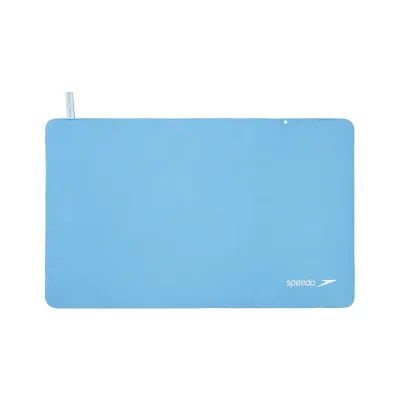
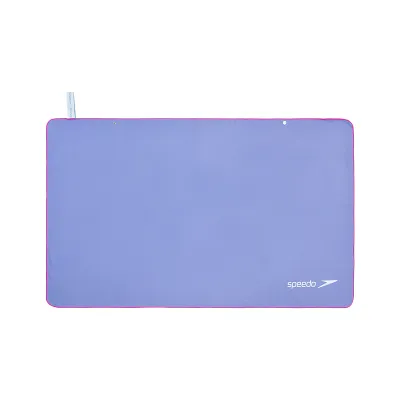
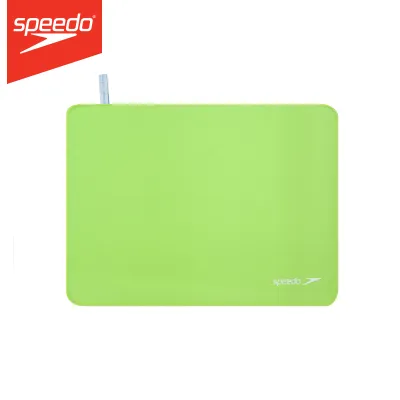
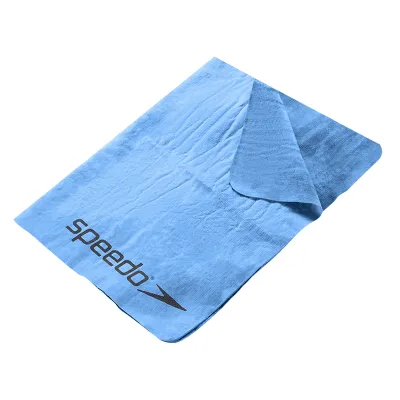
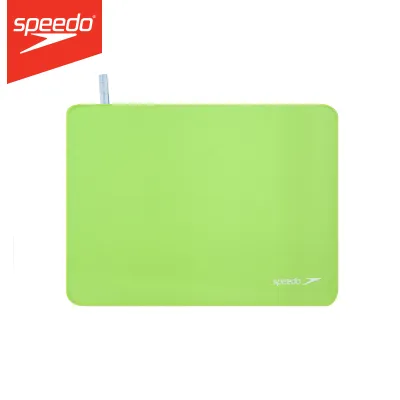
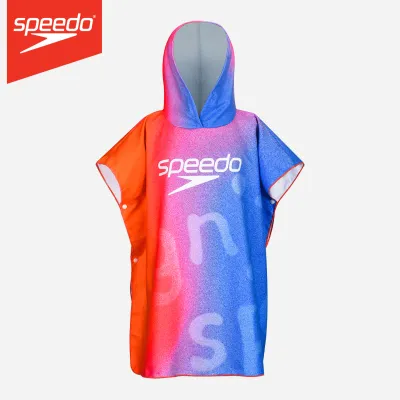
Prices are valid at publication and may change. Please refer to the product page for the latest price.
Absorbency Capacity Versus Drying Speed
A towel’s primary job is to remove water from the skin quickly, but how it manages that moisture afterward is equally important. Traditional towels absorb water deep into their fibers, which can leave them heavy and soggy for hours in humid tropical conditions. For active kids who may have multiple swim sessions in a day or need to pack their gear back into a school bag, rapid drying speed is essential. A towel that dries quickly prevents the growth of musty odors and bacteria, making it much more hygienic for repeated use.
Weight and Packability
Children often carry their own swim bags to and from the pool or beach. A bulky, heavy towel can make a child’s bag uncomfortable to carry, potentially discouraging them from managing their own gear. Lightweight towels that fold or roll down into a compact size free up valuable space in swim backpacks for goggles, caps, change of clothes, and water bottles. Evaluating how much space a towel occupies when dry—and how much heavier it becomes when wet—is a key step in selecting a child-friendly option.
Skin Sensitivity and Texture
Chlorine, pool chemicals, and saltwater can strip natural oils from a child’s skin, leaving it sensitive, dry, or easily irritated. The texture of the towel should provide comfort rather than friction. Some children prefer the plush, familiar feel of traditional fabrics, while others adapt well to the smooth, suede-like texture of modern synthetic weaves. Ensuring the material does not scratch or chafe sensitive areas, such as the face and shoulders, is vital for a positive post-swim experience.
Speedo Towel Materials and Construction Types
Speedo offers swim towels in several material formulations and designs, each tailored to different user preferences and performance needs. Understanding these material characteristics helps you select the right type for your child’s routine.

Microfiber Performance Weaves
Microfiber towels are highly popular among competitive and recreational swimmers alike. Made from synthetic blends, typically polyester and polyamide, these towels feature split fibers that create a vast surface area. This structure allows them to trap water mechanically rather than absorbing it into the core of the fiber.
- Drying Efficiency: They dry significantly faster than natural fibers, making them ideal for the humid climate of the Philippines.
- Portability: They are incredibly thin and lightweight, easily folding down to a fraction of the size of a standard towel.
- Texture: They have a smooth, low-pile surface that feels different from traditional towels but is highly efficient at wiping away moisture without harsh rubbing.
Cotton and Cotton-Blend Options
For parents and children who prefer a classic, cozy feel, cotton and cotton-blend towels remain a reliable choice. These towels utilize traditional looped terry cloth construction to provide a soft, plush barrier against the skin.
- Warmth: Cotton excels at trapping body heat, which is highly beneficial when a child steps out of a chilly pool into an air-conditioned indoor facility or a windy outdoor area.
- Comfort: The familiar texture is highly comforting for younger children or those with sensory sensitivities to synthetic fabrics.
- Drawbacks: They are significantly bulkier, heavier when wet, and require much more time to dry completely in humid weather.
Hooded Versus Standard Rectangular Cuts
The physical design of the towel affects how easily a child can use it independently. Choosing between a hooded design and a standard rectangular cut depends largely on your child’s age and coordination.
- Hooded Towels and Ponchos: These are highly recommended for toddlers and younger children. The built-in hood keeps the towel secure on the child's head, preventing it from slipping off while keeping their hands free. This design provides excellent wind protection and immediate warmth for the head and neck.
- Standard Rectangular Towels: These offer classic versatility. They can be wrapped around the waist, draped over the shoulders, or laid out on a poolside bench or beach sand. As children grow, rectangular towels provide the surface area needed for full-body coverage.
Sizing Guide: Matching Dimensions to Your Child's Age
Using a towel that is too large can cause a child to trip, while a towel that is too small will fail to keep them warm. Referencing specific dimensions rather than generic age labels is the most accurate way to find the right fit.
Standard Dimension Ranges
While individual product measurements vary, kids’ swim towels generally fall into three main size categories based on developmental stages:
- Toddlers (Ages 1 to 3): Look for compact hooded towels or small rectangular wraps measuring approximately 60 cm by 60 cm (when folded) or 60 cm by 120 cm. This size provides adequate coverage without excess fabric dragging on wet, slippery pool decks.
- Young Children (Ages 4 to 8): Medium rectangular towels or larger hooded ponchos measuring around 70 cm by 140 cm are ideal. This size allows the child to wrap the towel fully around their torso while still being manageable for them to carry and fold.
- Pre-Teens and Teens (Ages 9 and up): Standard sports towels or adult-sized swim towels measuring 80 cm by 150 cm or larger are necessary. These provide the length required for taller children to dry off completely and wrap up comfortably.
The Importance of Manufacturer Size Charts
Children grow at highly individual rates, meaning age recommendations on packaging should only serve as a starting point. Before purchasing, always check the specific dimensions listed on the product label or the manufacturer’s official sizing chart. Compare these measurements against your child’s height to ensure the towel will hang at a safe, comfortable length.
Evaluating Coverage Needs
Consider how your child will use the towel during their swimming routine. If they need a towel simply to dry off quickly between competitive swim heats, a smaller, highly absorbent sports towel or chamois is highly efficient. However, if they need a towel to keep them warm during long breaks between lessons or while lounging by the pool, a larger towel that can wrap completely around their body is a better choice.
Matching Towel Features to Swimming Environments
The environment where your child does most of their swimming should heavily influence the type of towel you select. Different settings present unique challenges, from wind exposure to packing constraints.
Competitive Pool Training and Swim Lessons
For children enrolled in structured swim programs, efficiency and speed are key. These environments require gear that can withstand frequent use and rapid transitions.
- Key Priorities: Rapid drying, lightweight construction, and easy storage.
- Recommended Features: Look for microfiber towels equipped with integrated hanging loops. These loops allow the towel to hang securely on locker room hooks or pool fences, facilitating faster drying between sessions. A compact design ensures the towel fits easily alongside training kickboards, pull buoys, and change clothes.
Casual Beach and Outdoor Play
Outdoor swimming environments, such as beaches, lakes, or open-air water parks, require towels that can handle natural elements like wind and sand.
- Key Priorities: Sand resistance, wind protection, and generous coverage.
- Recommended Features: Microfiber towels with a flat, tightly woven surface are highly advantageous for the beach because sand does not cling to them the way it does to looped cotton terry. A simple shake easily removes dry sand. For windy coastal areas, a hooded towel or poncho design is excellent for shielding your child's head and torso from chilly breezes.
Environmental Feature Matrix
Use this matrix to align your child’s primary swimming environment with the most suitable towel characteristics:
| Swimming Environment | Primary Priority | Recommended Material | Recommended Cut / Design |
|---|---|---|---|
| Indoor Swim School | Warmth & Comfort | Cotton Blend or Plush Microfiber | Hooded Poncho or Medium Rectangular |
| Outdoor Club Training | Rapid Drying & Portability | Lightweight Microfiber | Compact Rectangular with Hanging Loop |
| Beach & Island Trips | Sand Resistance & Wind Shield | Flat-weave Microfiber | Large Rectangular or Hooded Towel |
| Backyard Pool Play | Softness & Easy Wear | Cotton Terry | Standard Rectangular or Hooded Wrap |
Care Instructions and Purchasing Checklist
Proper maintenance preserves the performance characteristics of swim towels, particularly synthetic microfiber weaves. Additionally, ensuring you purchase genuine gear protects your investment.
Washing Guidelines for Microfiber
Microfiber towels require specific care to maintain their high absorbency and quick-drying properties. Standard laundry habits can inadvertently damage the synthetic fibers.
- Avoid Fabric Softeners: Never use fabric softeners or dryer sheets when washing microfiber. Softeners leave a thin, waxy coating on the fibers, which clogs the micro-channels and drastically reduces the towel's ability to absorb water.
- Wash Separately or with Similar Fabrics: Wash microfiber towels with other synthetic materials or lint-free items. Washing them with cotton towels can cause the microfiber to attract and trap cotton lint, reducing its effectiveness.
- Use Mild Detergent: Wash in cool or warm water using a standard, mild detergent. Avoid bleach, which can weaken the synthetic fibers over time.
Proper Drying and Storage
In the warm, humid climate of the Philippines, improper storage quickly leads to mildew, mold, and persistent odors.
- Hang Immediately: Never leave a damp, crumpled towel inside a swim bag. Hang it up in a well-ventilated area immediately after use.
- Air Dry When Possible: Microfiber dries very quickly on a clothesline. If you must use a clothes dryer, select a low-heat or air-dry setting, as high heat can melt or warp the synthetic fibers.
- Store Completely Dry: Ensure the towel is entirely dry before folding and storing it in a closet or drawer to prevent musty smells from developing.
Verification Checklist for Buyers
To ensure you are purchasing an authentic, high-quality Speedo towel for your child, use this quick verification checklist before finalizing your purchase:
- Authorized Retailers: Purchase directly from official Speedo brand stores, established department stores, or verified flagship stores on major ecommerce platforms.
- Check the Branding: Inspect the Speedo logo for clean, precise printing or embroidery. Counterfeit items often feature slightly distorted logos or inconsistent fonts.
- Examine the Stitching: Genuine swim gear features tight, even, and durable stitching along the edges to prevent fraying. Loose threads or uneven borders are common signs of low-quality imitations.
- Review the Care Label: Authentic towels include a clear care label detailing material composition, washing instructions, and country of manufacture.
Frequently Asked Questions (FAQ)
Can kids use regular bath towels instead of specific swim towels?
While children can use regular bath towels at the pool, dedicated swim towels offer significant practical advantages. Standard bath towels are typically made from heavy cotton terry, which absorbs a large volume of water but dries very slowly. When wet, they become heavy, bulky, and difficult for a child to carry in a swim bag. Dedicated swim towels, especially microfiber options, are designed to dry rapidly, shed sand easily, and pack down into a compact size, making them much more convenient for active use outside the home.
How often should microfiber swim towels be washed?
Microfiber swim towels should be rinsed thoroughly in clean, fresh water after every use to remove chlorine, salt, or pool chemicals, and then hung up to dry completely. A full machine wash is recommended after every two to three uses to maintain hygiene. If the towel is used at the beach or comes into contact with dirt, it should be machine washed immediately. Always wash the towel promptly if it develops a damp or musty odor, ensuring you avoid fabric softeners to preserve its absorbent properties.

Community discussion
Share your experience or ask a question. Comments are reviewed before publication.