
Selecting the right fishing reel is one of the most critical decisions you will make when assembling your angling gear. The choice between a spinning reel and a baitcasting reel directly impacts your casting distance, accuracy, and overall comfort on the water. While both designs serve the same fundamental purpose of holding and retrieving line, they operate on entirely different mechanical principles that suit different skill levels and fishing environments.
The primary decision-making criteria come down to your current experience level, the weight of the lures you plan to cast, and the specific habitats you intend to fish. Spinning reels offer an open, highly forgiving design that is excellent for beginners and light-finesse applications. Baitcasting reels provide advanced control and power, making them the traditional choice for heavy cover and precise lure placement, though they require a dedicated period of practice to master. By analyzing how each reel handles line flow, manages weight, and responds to adjustments, you can confidently select the setup that matches your fishing goals.
Core Mechanical Differences That Affect Your Cast
To understand why these reels perform so differently, you must first look at how they are constructed. A spinning reel features a fixed spool that remains stationary parallel to the rod. When you cast, the line uncoils freely off the front of the spool, guided by the momentum of the lure. This open-face design minimizes friction during the cast, allowing even very light lures to travel a reasonable distance without pulling against a rotating mechanism.
Products mentioned in this guide
![[COD] Spinning Reel 6 Ball Bearings 5.2:1 Gear Ratio Spinning Fishing Reel 1000 2000 3000 Series Anti-Corrosion Drive Gear Fishing Wheel for Freshwater and Salwater](https://img.lazcdn.com/g/p/4bc7c8457631426ac9503525dd53b8ed.jpg_400x400q80.jpg_.webp)
![[COD] Fishing Reel 5.2:1 GR Spinning Fishing Reel 1000 2000 3000 4000Series Anti-Corrosion Drive Gear Fishing Wheel for Freshwater and Salwater](https://img.lazcdn.com/g/p/aa219aa2ca4dff7d7c8ed1d28a366adf.jpg_400x400q80.jpg_.webp)
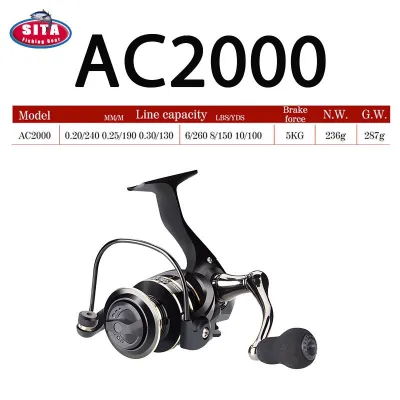
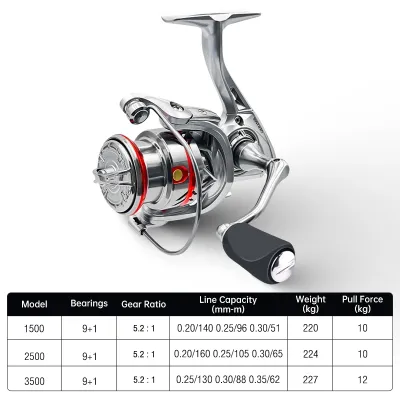
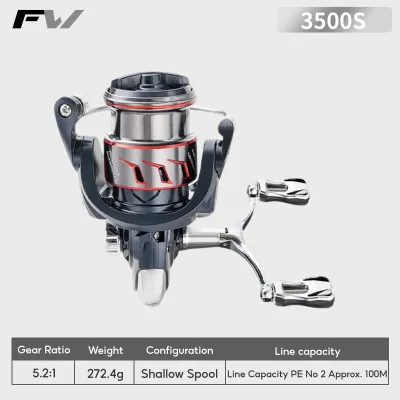
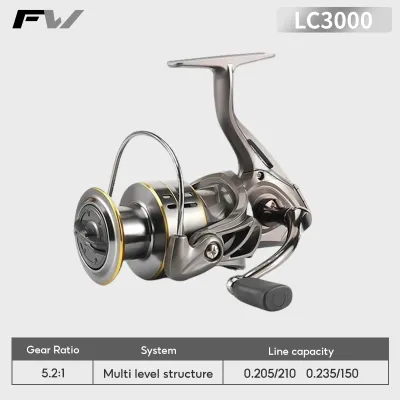
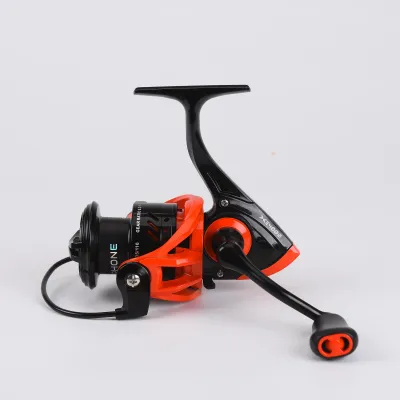
Prices are valid at publication and may change. Please refer to the product page for the latest price.
In contrast, a baitcasting reel utilizes a revolving spool that sits perpendicular to the rod. When you cast a baitcaster, the weight of the lure must pull the line, which in turn forces the entire spool to rotate. This mechanical difference means the spool must spin at a speed that perfectly matches the velocity of your flying lure. If the spool spins faster than the line can exit the guides, the loose line will quickly bunch up inside the reel housing, creating a tangled mess commonly referred to as a backlash or bird’s nest.
The physical placement of the reel on the rod also alters the balance and ergonomics of your setup. Spinning reels mount underneath the rod, allowing gravity to pull the weight downward, which naturally stabilizes the rod in your hand during long casting sessions. Baitcasting reels sit directly on top of the rod, requiring you to rest your thumb on the spool and grip the rod handle differently. This top-mounted configuration provides a more direct line of sight and a more compact profile, but it requires a specialized rod with a trigger grip to maintain a secure hold.
Aligning the Reel With Your Casting Experience
Your comfort level with casting mechanics should be a primary factor when choosing between these two reel types. For beginners, spinning reels offer a highly accessible entry point into the sport. The casting motion is straightforward: you simply open the metal bail wire, hold the line against the rod grip with your index finger, swing the rod, and release your finger. Because the spool does not rotate, there is virtually no risk of a catastrophic line tangle mid-cast, allowing you to focus on learning how to control your rod and retrieve your lure.

As anglers progress to intermediate and advanced levels, the limitations of a spinning reel in terms of pinpoint accuracy often become more apparent. This is where the design of a baitcasting reel becomes highly advantageous. Because your thumb rests directly on the revolving spool during the cast, you can apply micro-adjustments of pressure to slow down or stop the lure mid-flight. This level of manual control allows you to place a lure softly and precisely into tight pockets of water, such as under overhanging branches or right along the edges of structure where predatory fish hide.
If you decide to transition from spinning gear to a baitcasting setup, it is wise to practice in a controlled environment before heading out to a crowded shoreline or a boat. A spacious backyard or a quiet park is an excellent place to practice your casting stroke. Begin by using a simple practice weight rather than a rigged lure with sharp hooks. Adjust the mechanical tension and braking systems to their higher, more restrictive settings to help prevent the spool from overrunning while your thumb develops the necessary muscle memory to control the line release.
Matching the Reel to Your Target Species and Techniques
The weight of your lures and the structure of your fishing environment will heavily dictate which reel performs best. Spinning reels are the undisputed standard for light tackle and finesse fishing. When you are casting lightweight soft plastics, small spinners, or unweighted baits, the lack of spool resistance on a spinning reel allows these light objects to fly freely. Attempting to cast a very light lure on a baitcasting reel often results in an immediate backlash because the light lure does not have enough momentum to pull and rotate the heavy metal spool.
When you are targeting larger species in heavy cover, such as wild snakehead or large catfish hiding in thick aquatic vegetation, a baitcasting reel is often the superior tool. These environments require heavy braided lines or thick fluorocarbon leaders that can withstand rubbing against sharp rocks, reeds, or submerged timber. Baitcasting reels are built to handle these heavy line diameters without twisting, and their direct-drive gear design provides the raw cranking power needed to pull a fighting fish out of dense cover before it can wrap your line around an obstacle.
Different fishing techniques also align naturally with specific reel designs. For example, techniques like drop-shotting, where a light weight sits below a small hook in deep, clear water, are highly suited to spinning reels due to the vertical line presentation and light line requirements. On the other hand, power techniques like flipping and pitching—where you use a short, underhand motion to slide a heavy jig silently into a tiny opening in the weeds—are much easier to execute with a baitcasting reel because you can control the line flow instantly with a single hand.
Essential Specifications to Verify on the Product Label
When shopping for a new reel, you should carefully examine the specifications printed on the product packaging or detailed in the manufacturer’s manual. The gear ratio is one of the first numbers you will encounter, expressed as a ratio like 6.2:1. This number tells you how many times the spool rotates for every full turn of the handle. A lower gear ratio, such as 5.3:1, provides more torque and is ideal for pulling high-resistance lures like deep-diving crankbaits. A high gear ratio, such as 7.3:1 or 8.1:1, retrieves line rapidly, which is essential when you need to quickly gather slack line or pull a fast-swimming fish away from structure.
Next, verify the drag system capacity, which is typically rated in kilograms or pounds. The drag system consists of friction plates inside the reel that allow line to slip out under a set amount of tension, preventing your line from snapping when a large fish surges. For general freshwater and light coastal fishing, a smooth drag system rated between 4 kg and 8 kg is highly versatile. Ensure the adjustment knob is easy to reach and operate, allowing you to make quick changes while fighting a fish.
Line capacity is another critical specification to check, as it dictates how much line of a specific thickness the spool can hold. This is usually listed as a set of numbers, such as 150 meters of 0.25mm line. Always match your line choice to the recommended ratings on the reel spool. Using a line that is significantly heavier or thicker than recommended can severely limit your casting distance on a spinning reel, or cause line management issues on a baitcasting spool.
If you are purchasing a baitcasting reel, pay close attention to the built-in braking systems. These systems are designed to help manage spool speed and prevent backlashes. Look for models that offer externally adjustable magnetic or centrifugal brakes. Magnetic brakes apply consistent resistance throughout the cast and are highly effective when casting into the wind, while centrifugal brakes use small weights to apply friction during the high-speed initial phase of your cast. Having an easily adjustable dial on the side plate allows you to fine-tune the reel as wind conditions or lure weights change.
Final Decision Framework: Which Reel Fits Your Needs?
To finalize your decision, take a moment to evaluate your current skill level alongside your primary fishing goals. If you want a setup that is easy to cast, requires very little setup time, and excels at throwing light lures for a variety of smaller species, a spinning reel is the most practical choice. It provides a reliable, user-friendly experience that will keep you fishing instead of untangling line.
If you are ready to invest time into practicing your casting technique, and your primary goal is to target larger fish in thick cover using heavy lures and lines, a baitcasting reel will provide the accuracy and pulling power you need. The learning curve is steeper, but the reward is a highly precise tool that excels at advanced power-fishing techniques.
Before making your final purchase, always verify that your chosen reel is fully compatible with your fishing rod. A spinning reel must only be mounted on a spinning rod, which features large, downward-facing guides to handle the spiraling line. A baitcasting reel must be paired with a casting rod, which features smaller, upward-facing guides and a trigger grip on the reel seat. Ensuring your rod and reel are properly matched is essential for achieving proper balance, casting distance, and overall performance on the water.
Frequently Asked Questions (FAQ)
Can I use a spinning reel on a baitcasting rod?
You should avoid mounting a spinning reel on a baitcasting rod. Spinning reels are designed to hang beneath the rod and release line in wide, spiraling loops, which require the large, high-clearance guides found on a spinning rod to reduce friction. Casting rods have much smaller, low-profile guides positioned on top of the blank, designed for the straight line path of a baitcasting reel. Mixing these two different designs will severely restrict your casting distance, cause excessive line wear, and can place improper stress on the rod blank, potentially leading to damage when fighting a fish.
How do I prevent backlash on a baitcasting reel?
Preventing backlash on a baitcasting reel requires proper mechanical calibration and manual thumb control. Start by adjusting the spool tension knob on the side of the reel; tighten it until your lure slowly falls to the ground when you press the spool release, and the spool stops spinning the instant the lure touches the floor. Next, set your magnetic or centrifugal brakes to a higher setting, especially when practicing or casting into the wind. Finally, always keep your thumb lightly feathered over the rotating spool during the cast, applying firm pressure to stop the spool completely just before the lure hits the water.

Community discussion
Share your experience or ask a question. Comments are reviewed before publication.