
Identifying an original racket badminton requires a systematic inspection of its physical construction, serial numbers, packaging, and retail source. Counterfeit rackets have become highly sophisticated, mimicking the paint jobs and decals of premium models so closely that a casual glance cannot distinguish them. To protect your investment and ensure safe play, you must combine physical checks with digital verification and careful seller vetting before finalizing any purchase.
Why Counterfeit Badminton Rackets Are a Risk
Using a counterfeit racket poses significant safety and performance risks on the court. Authentic rackets are engineered using high-grade carbon fiber composites designed to withstand immense stress, especially when strung at high tensions. Counterfeit models, however, typically utilize cheap, low-grade graphite or even aluminum painted to look like carbon fiber. In the hot and humid tropical climate of the Philippines, the cheap resins and low-grade glues used in counterfeit rackets degrade even faster, significantly increasing the risk of sudden structural failure during intense rallies. Under the high tension required for modern play, these inferior materials can suddenly buckle, causing the frame to warp or snap violently during a powerful smash.
Beyond the immediate danger of flying frame fragments, counterfeit rackets suffer from severe manufacturing inconsistencies. You will often find that the weight distribution is uneven, the balance point deviates wildly from the advertised specifications, and the shaft lacks the intended flexibility. This poor construction leads to excessive vibration traveling up your arm, which can contribute to repetitive strain injuries like tennis elbow. Furthermore, because these items are sourced from unauthorized channels, they carry absolutely no warranty coverage or after-sales support, leaving you with no recourse when the racket fails.
Products mentioned in this guide
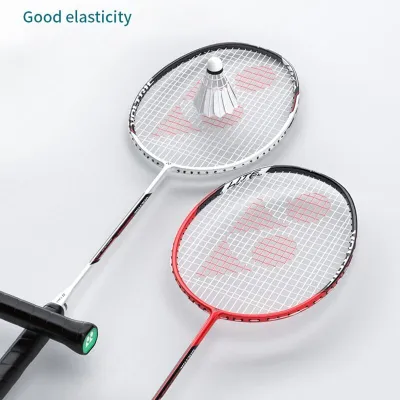
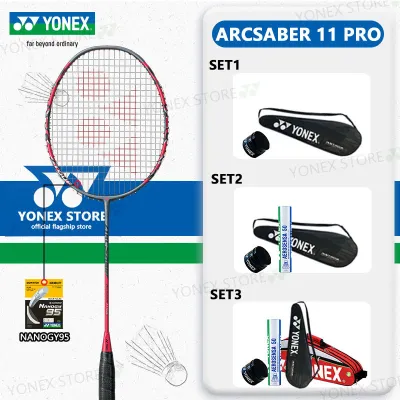
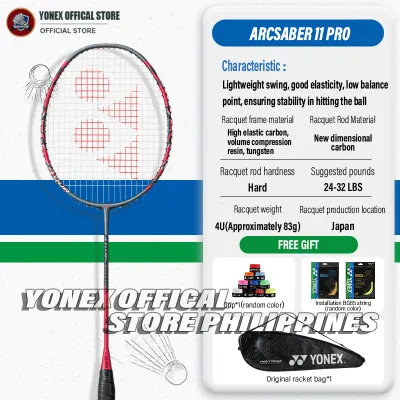
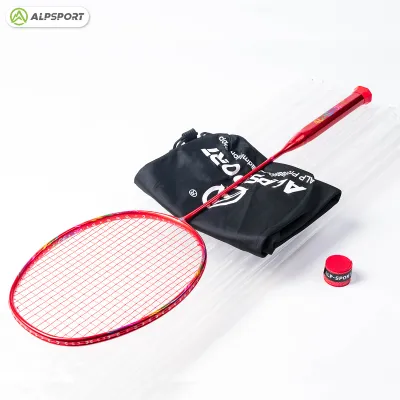
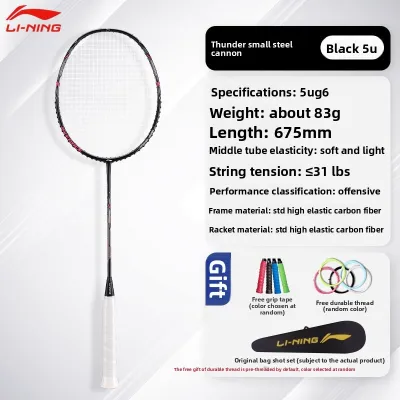
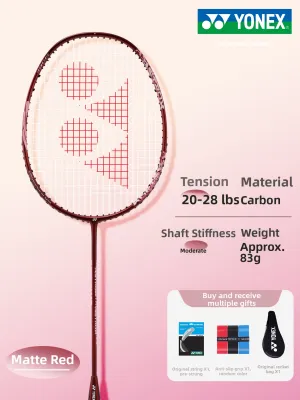
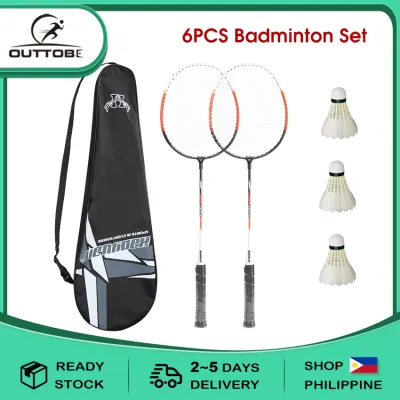
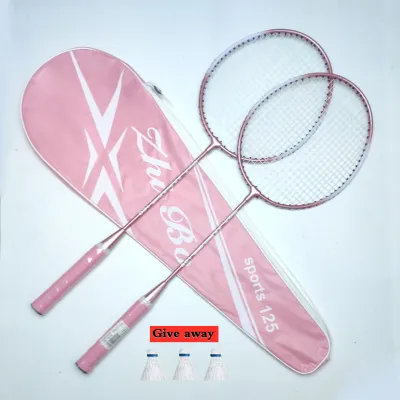
Prices are valid at publication and may change. Please refer to the product page for the latest price.
Physical and Structural Checks for Authenticity
A hands-on physical inspection is one of the most reliable ways to separate a genuine racket from a counterfeit. Start by checking the weight and balance point of the unstrung frame using a precise digital scale. Original manufacturers adhere to strict tolerances, usually within one or two grams of the specified weight class (such as 3U or 4U). If the racket feels noticeably heavy or if the balance point is significantly head-heavy or head-light compared to the official product specifications, it is highly likely to be a fake.

Next, examine the grommet strips and the frame holes very closely. On an original racket badminton, the grommets are made of high-quality, heat-resistant nylon that fits perfectly into cleanly drilled holes. Counterfeit rackets often feature loose, poorly molded grommets with rough edges or visible plastic debris. Inspect the T-joint area—the intersection where the shaft meets the head—for any signs of bulkiness or misalignment. Genuine rackets feature seamless integration at this joint, whereas fakes may show uneven paint, visible seams, or a slight twist in the frame alignment.
Finally, evaluate the grip and the base cap at the bottom of the handle. The base cap of an authentic racket is cleanly molded with a sharp, well-defined brand logo that is perfectly centered. Counterfeit base caps often use the wrong shade of color, and the logo may appear blurry, raised, or slightly crooked. Peel back the grip wrap slightly if possible; a genuine wooden handle is smooth and clean, while a fake may use rough, splintered wood held together with excessive hot glue.
Packaging, Labels, and Documentation Verification
The packaging and documentation that accompany a premium racket are often treated as an afterthought by counterfeiters, making them excellent indicators of authenticity. Examine the racket cover or thermal bag first. Genuine covers are made of thick, durable fabric with clean, straight stitching and high-quality zippers that glide smoothly. The printed logos on the cover should be sharp and free of color bleeding. In contrast, fake covers often feel thin, smell strongly of cheap synthetic chemicals, and feature blurry or misaligned screen prints.
Carefully review any included paperwork, such as the warranty card, user manual, and hangtags. Authentic documentation is printed on high-quality, heavy-weight paper with crisp, legible text in grammatically correct language. Counterfeit packages frequently contain manuals with obvious spelling errors, poor translations, or low-resolution diagrams. Check that the barcode and model details on the hangtag match the actual racket in your hand.
The laser engraving on the cone and shaft is another critical area to inspect. Genuine manufacturers use high-precision lasers to engrave serial numbers and batch codes directly into the paint or graphite layer, resulting in clean, thin, and deeply etched characters. Counterfeiters often resort to cheap printing or shallow engraving that feels smooth to the touch. Pay close attention to the font style and spacing; fake rackets often use a generic font where the numbers are unevenly spaced or have different heights.
How to Use Official Verification Channels
Most reputable badminton brands provide dedicated digital tools to help players verify their equipment. Locate the serial number on the shaft and the batch code on the cone of your racket. You can input these codes directly into the official brand website or authorized verification portal to check if they exist in the manufacturer’s database. Be aware that some brands use scratch-off stickers containing a unique security code that can only be verified online once.
While security holograms and QR codes are helpful, you must understand their limitations. Sophisticated counterfeiters can easily copy a genuine QR code or replicate a holographic sticker and place it on thousands of fake rackets. When you scan a QR code, always verify the destination URL in your browser’s address bar. Fake codes often redirect to look-alike websites designed to mimic the official brand portal. If the URL looks suspicious or does not match the official domain exactly, do not trust the verification result.
If you remain doubtful after performing these checks, contact the brand’s official customer service department directly. Prepare clear, high-resolution photos of the serial numbers, the base cap, the T-joint, and the overall racket frame. Provide details about where you purchased the item and the price you paid. The manufacturer’s support team can often cross-reference the batch codes with their production logs to confirm whether the racket is a genuine product.
Choosing Reliable Purchase Channels
The most effective way to avoid counterfeit sports gear is to buy exclusively from reputable sources. Prioritize official brand stores, authorized physical retailers, and verified flagship stores on major e-commerce platforms. These sellers source their inventory directly from the manufacturers or official distributors, ensuring that every product is genuine and covered by a valid local warranty.
When shopping on third-party online marketplaces, you must evaluate independent sellers with extreme caution. Check the seller’s rating, read customer reviews, and look for detailed feedback from buyers who have successfully verified their purchases. Be highly skeptical of listings offering premium rackets at prices significantly below the market average. If a high-end racket is being sold for a small fraction of its standard retail price in ₱, it is almost certainly a counterfeit, regardless of any “original” or “authentic” claims in the listing title.
Before completing your checkout, do not hesitate to ask the seller for proof of purchase or an official authorization certificate. Legitimate independent sellers who source their stock from authorized distributors will be happy to provide clear evidence of authenticity. If a seller is evasive, refuses to provide detailed photos of the serial numbers, or offers vague excuses about why the price is so low, cancel the transaction and look elsewhere.
What to Do If You Suspect a Fake Racket
If you have already purchased a racket and suspect it is a counterfeit, you must act quickly to protect your money. Start by documenting the unboxing process if you have not yet opened the package, or take clear, well-lit photos of the racket from multiple angles. Capture close-up shots of the serial numbers, the base cap, the grommets, and any packaging defects. This visual evidence will be crucial when filing a dispute.
Initiate a return or refund request immediately through the e-commerce platform’s buyer protection program. Most major platforms have strict policies against the sale of counterfeit goods and will hold the seller’s funds while an investigation is conducted. Clearly state that the item received is counterfeit, and upload your photographic evidence comparing the received product to the official specifications. Avoid using or stringing the racket, as returning it in its original, unused condition strengthens your refund claim.
Finally, report the suspicious listing and the seller’s account to both the e-commerce platform and the official brand. By flagging these fraudulent listings, you help protect other players in the local badminton community from falling victim to the same scams. Many brands actively work with online marketplaces to take down counterfeit listings and penalize unauthorized sellers.
Frequently Asked Questions (FAQ)
Can a fake badminton racket have a valid serial number?
Yes, a counterfeit badminton racket can easily feature a valid serial number. Counterfeiters frequently copy a single genuine serial number from an authentic racket and engrave it onto hundreds or thousands of fake frames. When you input this number into an online verification tool, it may register as valid because the original number exists in the manufacturer’s database. This is why you must never rely solely on a serial number check; you must combine it with physical inspections of the build quality, paint finish, and seller credibility.
Is it safe to string a suspected fake racket to high tensions?
No, it is highly unsafe to string a suspected counterfeit racket to high tensions. Genuine rackets are built with advanced carbon fiber composites engineered to withstand high tension, whereas fakes are often made of cheap, brittle materials. When subjected to high tension, a counterfeit frame is highly likely to collapse, warp, or snap violently. This can ruin your strings, damage the racket permanently, and cause serious physical injury if the frame shatters while you are nearby. If you doubt the authenticity of your racket, have it inspected by a professional stringer or return it immediately.

Community discussion
Share your experience or ask a question. Comments are reviewed before publication.