
The choice between a stainless steel tumbler and a plastic tumbler for your workout routine depends on your specific training environment, how long you need your water to stay cold in tropical heat, and how much weight you are willing to carry. Stainless steel excels at keeping drinks cold for hours during intense outdoor training sessions and offers long-term durability against drops on concrete or gym floors. Plastic, on the other hand, provides a lightweight, shatter-resistant, and budget-friendly alternative that is easy to toss into a backpack for a quick run or a casual gym session. To make the right choice, you must verify the manufacturer’s specifications on insulation, material safety, and lid seals, matching them directly to your daily fitness habits.
For fitness enthusiasts in the Philippines, where high humidity and warm temperatures are constant companions, hydration is not just about convenience—it is a critical aspect of workout safety and performance. Whether you are lifting weights in an open-air neighborhood gym, playing basketball on a local barangay court, or attending a high-energy indoor cycling class, the container you use to carry your water or sports supplements can significantly impact your overall experience. Understanding the practical differences between these two dominant materials will help you avoid common pitfalls like lukewarm water, leaky gym bags, and stubborn odors.
Fundamental Material Traits and Build Quality
Understanding the physical construction of your hydration gear is the first step in choosing the right companion for your workouts. Stainless steel tumblers designed for active use typically feature a double-wall vacuum insulation structure. This design consists of an inner and outer metal vessel with the air evacuated from the space between them, creating a thermal barrier that prevents heat from transferring. This vacuum layer is highly effective at stopping heat transfer via conduction and convection, which is why these bottles can keep ice from melting even in sweltering conditions.
Products mentioned in this guide
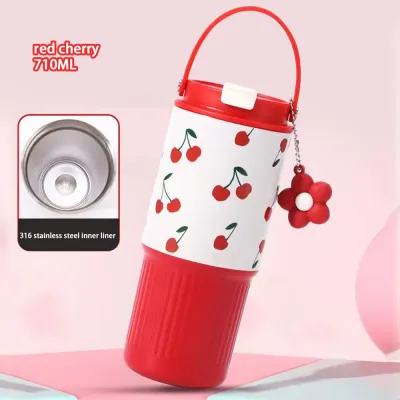
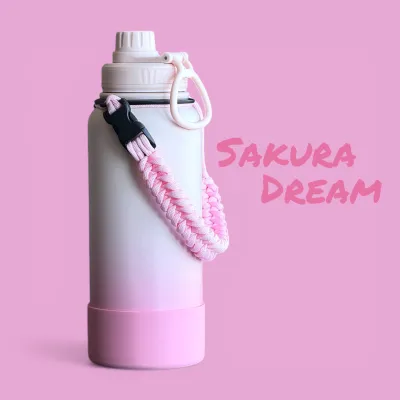
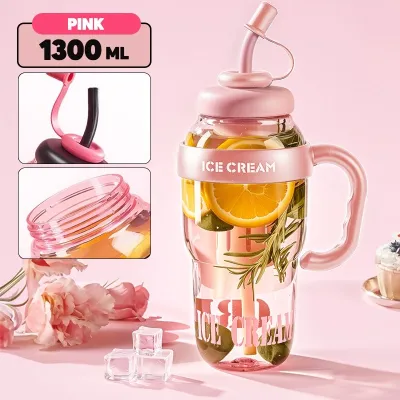
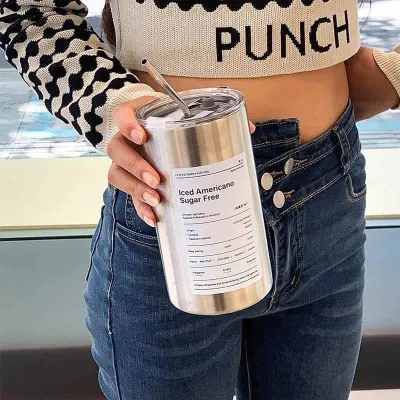
Prices are valid at publication and may change. Please refer to the product page for the latest price.
In contrast, plastic tumblers are generally constructed with either a single-wall or a double-wall non-vacuum design. While double-wall plastic provides a minor barrier against ambient temperatures and helps reduce external condensation, it lacks the high-performance thermal insulation found in vacuum-sealed metal containers. Single-wall plastic bottles offer virtually no insulation, meaning your cold drink will rapidly warm up to match the surrounding air temperature.
When evaluating stainless steel options, always check the product label or manufacturer specifications for the specific grade of metal used. High-quality sports tumblers are typically crafted from food-grade 18/8 stainless steel, also known as Type 304. This material contains 18% chromium and 8% nickel, making it highly resistant to rust, corrosion, and physical impacts, ensuring that your bottle remains safe and functional over years of daily gym use.
For plastic tumblers, look for advanced, durable polymers such as Tritan copolyester or high-grade polypropylene. Tritan is widely favored in sports gear because it offers the clarity of glass without the fragility, and it is highly resistant to cracking, staining, and warping. Always verify that any plastic container you choose is explicitly labeled as BPA-free to ensure no harmful chemicals leach into your water, especially when exposed to warm tropical sunlight.
The lid assembly is another critical component of the build quality that you should inspect before purchasing. Look for robust lid mechanisms featuring thick silicone gaskets, secure threads, and heavy-duty hinges or locking sliders. A poorly constructed lid will quickly leak when shaken or tilted, regardless of how durable the main body of the tumbler is. Furthermore, check if the lid materials are also BPA-free and dishwasher-safe, as the lid is the part that comes into direct contact with your mouth.
Temperature Control and Hydration Experience
Maintaining proper hydration during a grueling workout in a humid local gym requires water that stays at a refreshing, cool temperature. Insulated stainless steel tumblers are highly effective at blocking external heat, keeping ice solid and water cold even when left in a hot car or on the sidelines of an outdoor basketball court. Drinking cold water during exercise can help regulate your core body temperature, making your workout feel less exhausting in hot climates.

Plastic tumblers, by comparison, allow heat to transfer relatively quickly between the beverage and the surrounding air. If you fill a single-wall plastic bottle with ice-cold water in a warm environment, you will likely notice condensation forming on the exterior within minutes. This condensation can make the bottle slippery to hold and can leave wet rings on gym equipment or puddle inside your sports bag.
Because thermal performance varies significantly between different brands and designs, you should look for specific hot and cold retention claims printed on the product packaging. Some manufacturers specify cold retention for up to 24 hours or hot retention for up to 12 hours, which you can verify against your typical workout duration. Keep in mind that these ratings are often tested under controlled conditions, so real-world performance in a tropical climate may vary slightly.
The style of the mouthpiece also plays a major role in how easily you can hydrate during intense physical activity. Chug lids or wide-mouth openings allow for rapid fluid delivery, which is ideal when you only have a few seconds to drink between high-intensity intervals or during a quick timeout on the court.
Alternatively, straw lids allow for convenient, upright sipping without the need to tilt your head back, making them excellent for use on treadmills, stationary bikes, or elliptical machines where keeping your eyes forward is important for safety. Flip-top lids offer a balance of security and quick access, but you should verify that the hinge is sturdy enough to withstand repeated opening and closing during your daily routine.
Durability, Weight, and Gym Bag Portability
Gym environments present numerous physical hazards, from heavy weights accidentally bumping your gear to bottles slipping out of your hands onto hard tile floors. Stainless steel tumblers are exceptionally rugged and will not shatter or crack upon impact, though they are susceptible to denting, scratching, or chipping their exterior powder coatings over time. A dented steel bottle usually retains its structural integrity, though a severe drop can occasionally compromise the vacuum seal.
Plastic tumblers offer excellent flexibility and impact absorption, making them highly shatter-resistant when dropped on gym floors or outdoor courts. However, lower-grade plastics can become brittle over time or crack under severe impact, particularly if they are dropped while completely full of water. High-quality plastics like Tritan are engineered to withstand significant drops without cracking, making them a reliable choice for high-impact sports.
Weight is a crucial consideration if you commute to your fitness center by foot, bicycle, or public transit. An empty stainless steel tumbler is inherently heavier than a plastic one of the same capacity, and once filled with water, the total weight can add significant strain to your shoulders when carried over long distances. If you prefer to travel light, a plastic bottle is much easier to carry during a long run or a walk to the gym.
Before making a decision, check the physical dimensions of the tumbler, including its base diameter and overall height. Ensure that the bottle will fit securely into standard gym equipment cup holders, car console slots, or the side mesh pockets of your sports backpack to prevent it from falling out during transit. A bottle that is too wide will end up rolling around on the floor, which increases the risk of damage or contamination.
While the metal body of a steel tumbler is virtually indestructible, the plastic lid remains a vulnerable point. A hard fall can easily crack a plastic lid or snap a flip-top hinge, so it is wise to check if the manufacturer offers replacement lids or if the bottle is compatible with universal aftermarket lids. This ensures you do not have to discard an otherwise perfect metal bottle just because of a broken lid.
Cleaning, Odor Retention, and Daily Upkeep
Keeping your tumbler clean and hygienic is essential, especially if you regularly mix pre-workout powders, amino acids, or protein shakes. Stainless steel is naturally non-porous, which makes it highly resistant to bacteria buildup and prevents it from retaining stubborn odors or stains after a thorough wash. This makes it an excellent choice if you use the same bottle for water, iced coffee, and flavored supplements on different days.
Plastic is a softer material that is more susceptible to microscopic scratches on the interior surface over time. These tiny scratches can trap bacteria, yeast, and flavor residues, leading to persistent, unpleasant odors that are difficult to eliminate, particularly if a protein shake is accidentally left in the bottle overnight. If you use plastic, you must be diligent about washing it immediately after every use to prevent these odors from setting in.
Always consult the manufacturer’s care instructions before cleaning your tumbler to avoid damaging the materials. While many plastic tumblers are labeled as top-rack dishwasher safe, the high heat of a dishwasher cycle can sometimes degrade silicone seals or cause minor warping over time. If you do use a dishwasher, ensure the bottle is placed far from the heating element.
For painted or vacuum-insulated stainless steel tumblers, hand-washing is generally recommended to preserve the vacuum seal and the exterior finish. Use warm water, mild dish soap, and a soft-bristled bottle brush to clean the interior thoroughly without scratching the metal surface. Avoid using abrasive steel wool or harsh chemical cleaners, which can damage the protective chromium oxide layer on the steel.
Pay close attention to the lid assembly, removing any detachable silicone gaskets, straws, or slide mechanisms where mold and residue tend to hide. To eliminate stubborn odors or stains, soak the components in a mixture of warm water and baking soda, or use a specialized bottle-cleaning tablet before rinsing and air-drying completely. Always store your tumbler with the lid off to allow air to circulate and prevent musty smells from developing.
Key Trade-Offs and Specification Checks
To help you quickly compare the two materials and identify what to look for on product labels, review the key trade-offs and verification points below.
| Material Type | Typical Weight Profile | Temperature Retention | Durability Risks | Cleaning Requirements | Label Checks |
|---|---|---|---|---|---|
| Stainless Steel | Heavier empty weight; increases load in gym bags | High (verify vacuum insulation rating on label) | Denting, scratching, paint chipping; lid cracking | Hand-wash recommended; check dishwasher safety | 18/8 food-grade steel, BPA-free lid, capacity marks |
| Plastic | Lightweight; ideal for active commuting | Low to moderate (verify double-wall claims) | Cracking under high impact; warping from heat | Odor retention; check top-rack dishwasher safety | Tritan or PP material, BPA-free certification |
Decision Framework: Choosing Your Ideal Workout Tumbler
To make your final decision, apply this condition-based framework to match a tumbler’s material properties with your specific fitness habits and daily routine.
Choose Stainless Steel if…
- You train in hot, outdoor environments or non-air-conditioned gyms where keeping your water ice-cold is essential for comfort and performance.
- You want a long-term, durable investment that will not retain odors or stains from flavored sports drinks, pre-workouts, or protein supplements.
- You prefer a robust, premium-feeling container that can withstand being tossed onto concrete courts, gravel, or gym floors without cracking.
Choose Plastic if…
- You prioritize a lightweight gear setup for running, hiking, or commuting long distances on foot or public transit to your fitness center.
- You need an affordable option or want to purchase multiple bottles to separate your water from your pre-workout and recovery shakes.
- You want a highly shatter-resistant container that allows you to easily monitor your water intake through transparent or translucent walls.
Verify First if…
- Your local gym, swimming pool, or sports facility has specific safety regulations that prohibit metal or glass containers in certain workout areas.
- The tumbler's base diameter is compatible with the cup holders on your favorite treadmill, spin bike, or car console.
- The manufacturer offers a warranty on the vacuum insulation seal or sells replacement lids and silicone gaskets separately.
Frequently Asked Questions (FAQ)
Can I put pre-workout or protein shakes in any tumbler?
You should always check the manufacturer’s guidelines before using your tumbler for acidic, carbonated, or dairy-based beverages. While stainless steel is highly resistant to odors and staining from supplements, plastic tumblers require immediate cleaning after use to prevent bacterial growth and lingering smells. Regardless of the material you choose, rinse your tumbler with warm water as soon as you finish your workout, and avoid leaving dairy-based protein shakes sealed inside for extended periods.
Are plastic tumblers safe for hot beverages after a workout?
Before pouring hot tea, coffee, or recovery drinks into a plastic tumbler, you must verify the maximum temperature rating printed on the product label or packaging. Single-wall plastic bottles or those not rated for high temperatures can warp, leak, or leach chemicals when exposed to boiling water, posing a burn hazard. If you regularly enjoy hot beverages after your workout, look for a double-wall plastic tumbler certified for hot liquids, or opt for an insulated stainless steel tumbler designed to handle both hot and cold drinks safely.

Community discussion
Share your experience or ask a question. Comments are reviewed before publication.