
Navigating the rolling hills and dramatic elevation changes of golf courses in Antipolo requires more than just a sharp short game; it demands a strategic approach to how you transport your gear. The choice between a stand bag and a cart bag is not merely a matter of aesthetic preference, but a practical decision that directly affects your physical stamina, club accessibility, and overall enjoyment of the round. In the humid, undulating terrain of the Sierra Madre foothills, every extra kilogram on your shoulders or every awkward scramble up a steep fairway can influence your swing mechanics by the back nine.
For golfers who prefer the traditional exercise of walking the fairways, a lightweight stand bag provides the necessary mobility to conquer steep slopes without premature fatigue. Conversely, players who rely on motorized golf carts or the assistance of local caddies often find that a robust cart bag offers the superior organization and storage capacity needed for long days under the tropical sun. By analyzing how these two bag designs interact with the unique topography and operational policies of Antipolo’s premier golf destinations, you can make an informed investment that matches your playing style.
Understanding Course Conditions and Policies in Antipolo
The geography of Antipolo presents a distinct set of challenges that set it apart from flatter, low-lying courses in metropolitan areas. Many courses in this region are carved directly into mountainous terrain, featuring severe elevation drops, side-hill lies, and long walks between greens and the next tee boxes. Walking an 18-hole round here can easily translate to climbing the equivalent of dozens of flights of stairs, making physical stamina a primary limiting factor for your performance. If you choose to carry your own clubs, a heavy or poorly balanced bag will rapidly deplete your energy reserves, leading to muscle fatigue that compromises your posture and swing tempo.
Products mentioned in this guide
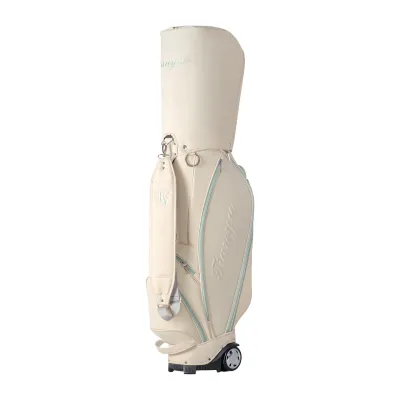
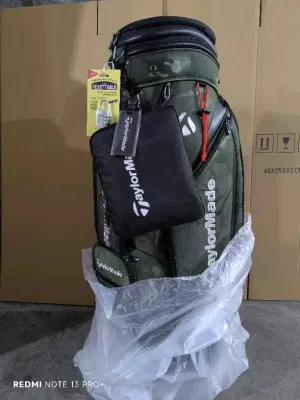
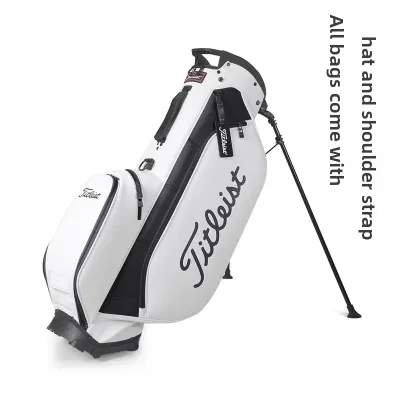
3 Lazada user ratings
Looks durable and looks waterproof, light and looks sturday, needs more pocket, very light, just enough for my clubs and other stuff
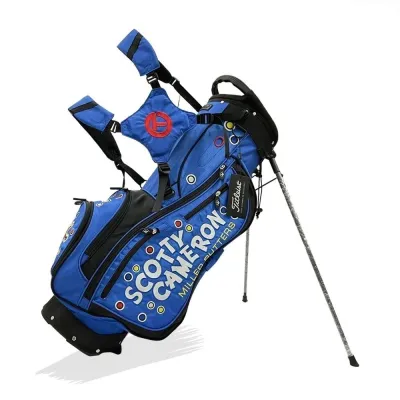
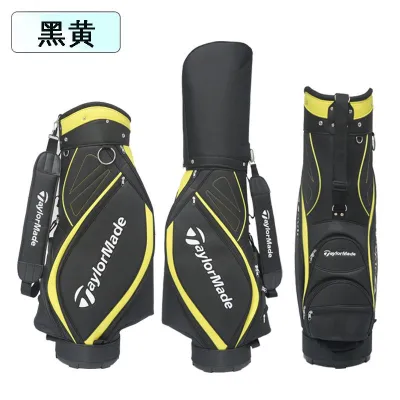
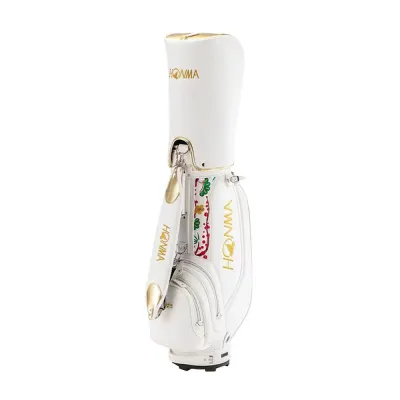
5 Lazada user ratings
Very good, worth the price 👍🏻
Prices are valid at publication and may change. Please refer to the product page for the latest price.
Beyond the physical demands of the landscape, local course policies play a decisive role in determining which bag is most practical. Several clubs in the area enforce mandatory golf cart usage, particularly on weekends or during peak morning hours, to maintain an efficient pace of play across challenging terrains. Other venues may require players to hire a caddie, who will either carry your bag or manage it on a pull cart. Before purchasing a new bag, it is highly recommended to verify the specific walking and cart regulations of the courses you frequent most, as a dedicated carry bag may lose its primary advantage if you are rarely permitted to walk the fairways.
Weather patterns in the Philippines also introduce operational variables that impact your gear strategy. During the wet monsoon season, courses frequently implement “cart-path only” rules to protect the saturated turf from tire damage. When this rule is in effect, you must leave your motorized cart on the paved path and walk across the fairway to your ball, often carrying several clubs with you. In these scenarios, a cart bag remains anchored to the vehicle far from your ball, whereas a lightweight stand bag allows you to walk directly to your lie with all your equipment and accessories immediately at hand.
Evaluating Stand Bags for Hilly Terrain
Stand bags are engineered specifically for the walking golfer, prioritizing lightweight construction, ergonomic carrying systems, and rapid deployment on the turf. The defining feature of these bags is the integrated dual-strap harness, which distributes the weight of your clubs evenly across both shoulders rather than straining a single side of your body. When walking up the steep inclines typical of Antipolo, a well-adjusted dual-strap system keeps the bag close to your center of gravity, minimizing lower back strain and helping you maintain a steady, balanced stride.

The stability of the stand mechanism is another critical factor when playing on uneven or sloped ground. High-quality stand bags feature wide, slip-resistant foot pads and durable carbon-fiber or aluminum legs that deploy automatically when the base of the bag is pressed against the turf. On the undulating fairways of Antipolo, you will rarely find a perfectly flat surface to set your bag down; therefore, a wide leg footprint is essential to prevent your bag from tipping over on side-hill lies or sliding down wet, grassy slopes.
However, opting for a stand bag requires a conscious compromise regarding storage capacity and organization. To keep the empty weight of the bag low—typically between 1.5 to 2.5 kilograms—manufacturers use lighter fabrics and limit the number of pockets. While you will have sufficient space for balls, tees, a water bottle, and a lightweight windbreaker, you may struggle to pack bulky rain gear, multiple towels, or extensive personal items. For players who like to carry a wide array of accessories, training aids, or heavy hydration flasks, the limited storage of a stand bag requires disciplined packing.
Evaluating Cart Bags for Cart and Caddie Use
Cart bags are designed for maximum utility, organization, and club protection, operating under the assumption that the bag will be transported by a motorized vehicle, a push cart, or a professional caddie. The base of a cart bag is typically flat and features a specialized, non-slip molding designed to lock securely into the riding cart’s bag well. This structural design prevents the bag from twisting or shifting during transit, ensuring that your club heads remain oriented in a predictable, easy-to-reach layout throughout your round.
Storage is where the cart bag excels, offering expansive pockets that are fully accessible even when the bag is strapped tightly to a cart. These bags generally feature dedicated, insulated cooler pockets to keep drinks cold in the tropical heat, velour-lined valuables pouches, and full-length apparel pockets capable of holding heavy wet-weather gear, umbrellas, and spare shoes. Additionally, many cart bags incorporate individual 14-way or 15-way club dividers that run the entire length of the bag, preventing your shafts from tangling and protecting expensive graphite shafts from clattering against one another on bumpy cart paths.
The primary drawback of a cart bag is its substantial weight and lack of portability off the cart. Weighing significantly more than stand bags when empty, and lacking a dual-strap backpack harness, a cart bag is highly impractical to carry over any meaningful distance. If you find yourself on a course that restricts carts to the path, or if you prefer to walk for exercise, managing a heavy cart bag without a trolley is physically exhausting and can quickly lead to fatigue or injury on steep slopes.
Stand Bag vs. Cart Bag: Feature Comparison
To choose the right bag for your rounds in Antipolo, it is helpful to compare how each type performs across the core dimensions of weight, storage, and adaptability. Stand bags offer unmatched versatility, allowing you to transition seamlessly between walking, using a push cart, or riding in a motorized cart. Cart bags, while highly specialized and convenient for organized storage, lock you into a specific style of play that relies entirely on external transport.
The following comparison table outlines the key differences to help you weigh these trade-offs based on your physical preferences and course conditions:
| Feature | Stand Bag | Cart Bag |
|---|---|---|
| Average Empty Weight | 1.5 to 2.5 kg | 3.0 to 4.5 kg |
| Carrying System | Ergonomic dual-strap backpack harness | Single shoulder strap (primarily for transport) |
| Club Organization | 4-way to 6-way top dividers (typically) | 14-way or 15-way full-length dividers |
| Storage Capacity | Moderate; optimized for essentials | Maximum; multiple large apparel and cooler pockets |
| Terrain Adaptability | High; stable on slopes, wet grass, and flat ground | Low; requires flat surfaces or secure cart mounting |
| Cart Compatibility | Moderate; may twist unless secured with care | High; designed specifically for cart straps and wells |
When evaluating these features, consider your typical playing schedule. If you frequently play early morning rounds when the grass is heavy with dew and the terrain is slick, the stability and lightweight nature of a stand bag can make walking the course a much safer and more pleasant experience. On the other hand, if you prefer midday tee times under intense sun, the superior insulation and storage capacity of a cart bag for cold drinks and sun protection gear may outweigh any portability concerns.
Decision Framework: Which Golf Bag Should You Choose?
Selecting the ideal golf bag ultimately comes down to a realistic assessment of your physical habits and the operational realities of your favorite courses. If your primary goal is to walk the course for exercise, and you enjoy the freedom of stepping directly to your ball regardless of cart path restrictions, a high-quality stand bag is the superior choice. Its lightweight profile and dual-strap system will preserve your energy, allowing you to maintain a consistent swing plane and posture through all 18 holes on hilly terrain.
Conversely, a cart bag is the logical choice if you almost exclusively ride in motorized carts, utilize a personal push trolley, or rely on the services of a caddie who handles your equipment. The added weight becomes irrelevant once the bag is secured to a vehicle, allowing you to take full advantage of the organized club dividers and extensive storage space for hydration, rain gear, and extra accessories. This setup is particularly advantageous during the unpredictable rainy season, where having full wet-weather gear readily accessible can save your round.
Before making your final decision, take a moment to review the rules of the specific clubs you plan to play in Antipolo. If your preferred course mandates motorized carts for all players, purchasing a stand bag for its carrying features may be redundant, as the legs and backpack straps will go unused. Aligning your bag choice with both your physical preferences and the local course regulations ensures you get the maximum utility and comfort out of your investment.
Frequently Asked Questions (FAQ)
Can I use a stand bag on a motorized golf cart?
Yes, you can secure a stand bag onto a motorized golf cart, but you may encounter stability issues due to the bag’s structural design. Because stand bags feature an external leg mechanism and a contoured base, they do not always sit flat in a standard cart bag well, which can cause the bag to twist or slide during transit. To prevent this rotation, ensure the cart’s retaining strap passes through the designated cart-strap tunnel behind the pockets if your bag has one. Alternatively, placing a small folded towel between the stand mechanism and the cart frame can help cushion the contact points and keep the bag securely aligned.
How do I maintain the stand mechanism on uneven ground?
Maintaining the stand mechanism on hilly courses requires regular cleaning and mindful handling to prevent premature wear. The moving parts, hinges, and foot pads of your stand bag are constantly exposed to mud, cut grass, and abrasive sand, which can clog the joints and cause the legs to stick or fail to retract fully. Periodically wipe down the leg hinges with a damp cloth and clear any debris from the spring-loaded base activator. Additionally, avoid forcefully pushing the bag down on hard, rocky cart paths or compacted soil, as excessive lateral pressure can bend the aluminum legs or damage the internal tension cables.

Community discussion
Share your experience or ask a question. Comments are reviewed before publication.