
Choosing the right baseball or softball bat depends heavily on where and how you play. In the Philippines, casual street games often rely on heavy, inexpensive steel bats, while organized leagues mandate highly engineered alloy bats. The primary difference lies in their material composition, weight distribution, and regulatory certification. While a steel bat offers a budget-friendly, highly durable option for informal recreation, a certified alloy bat is designed to optimize swing mechanics and meet strict safety standards required for competitive play.
Understanding these differences helps players make informed decisions about their equipment. Whether you are setting up a casual game in a local neighborhood or preparing for a structured tournament, selecting the appropriate bat ensures both optimal performance and compliance with local playing rules.
Material and Construction: Steel vs. Engineered Alloys
Steel bats are typically manufactured from standard industrial carbon steel tubing. This production method prioritizes structural strength and low manufacturing costs over athletic optimization. Because steel is a dense and heavy metal, these bats feature uniform wall thickness throughout the barrel and handle. This uniform construction results in a very heavy, rigid tool that requires significant physical effort to swing.
Products mentioned in this guide
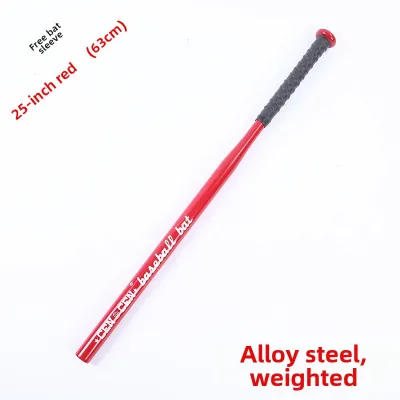
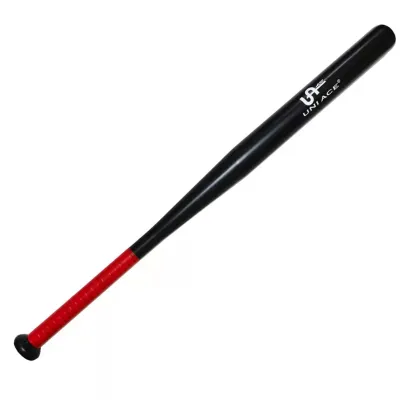
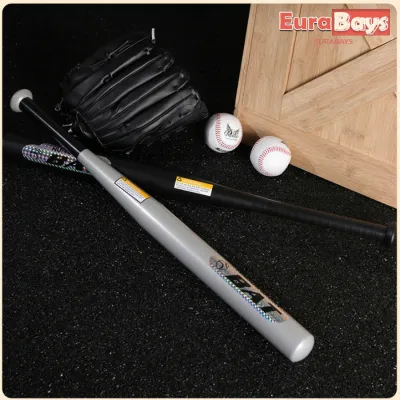
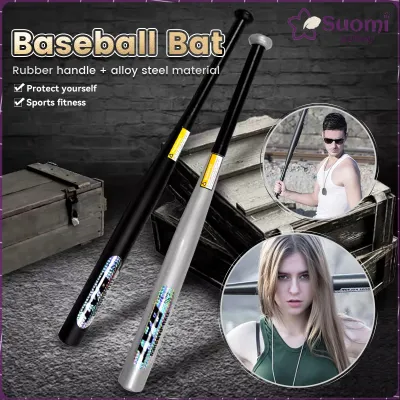
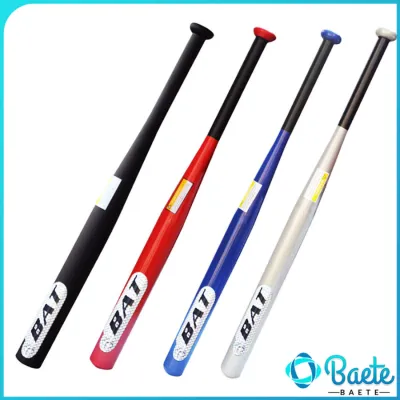
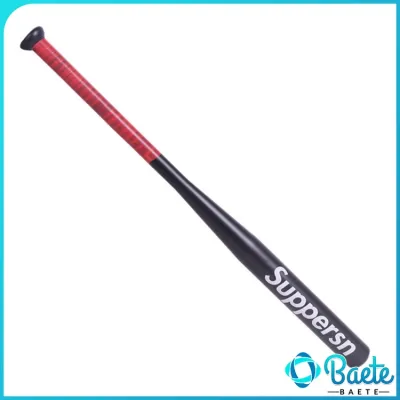
Prices are valid at publication and may change. Please refer to the product page for the latest price.
Engineered alloy bats, on the other hand, utilize specialized aluminum-alloy blends. Manufacturers mix aluminum with elements like zinc, magnesium, or copper to create materials that are both incredibly strong and lightweight. This allows engineers to vary the wall thickness along the length of the bat. The walls are often thinned out near the sweet spot of the barrel to maximize performance, while the handle and taper remain reinforced for structural integrity.
The tapering process also differs significantly between the two types. Steel bats often have an abrupt, simple taper due to the limitations of working with rigid steel tubing. Engineered alloy bats feature a gradual, precise taper from the barrel to the handle, which helps balance the weight and improve the overall aerodynamics of the swing.
Manufacturing priorities diverge sharply between these two categories. Steel bats are built as cost-effective utility items designed to withstand rough handling on concrete or dirt lots. Alloy bats are precision-engineered athletic tools designed to meet strict weight-to-length ratios and performance limits set by international governing bodies.
Performance and Feel: Swing Mechanics and Power Transfer
The physical properties of these materials directly influence how a bat feels in your hands and how it performs upon contact with a ball. Steel bats are inherently end-loaded, meaning a large portion of their weight is concentrated in the barrel. This heavy feel can slow down a player’s swing speed and make it difficult to control the path of the bat through the strike zone. For younger players or those developing their swing mechanics, this extra weight can lead to poor habits and physical fatigue.

In contrast, regulated alloy bats offer highly engineered weight distribution. Manufacturers can design these bats to be perfectly balanced or only slightly end-loaded, catering to different hitting styles. A balanced alloy bat allows for faster swing speeds, giving the batter more control and a better chance of making solid contact with fast pitches.
The “trampoline effect” is another critical performance differentiator. When a ball hits a rigid steel bat, the metal wall does not compress; instead, the ball deforms significantly, losing energy in the process. Engineered alloy bats are designed with thin, flexible walls that compress slightly upon impact and then spring back. This elastic deformation transfers energy back to the ball more efficiently, resulting in a larger, more forgiving sweet spot.
Vibration management is also a key factor in player comfort. Hitting a ball outside the sweet spot of a steel bat sends harsh, high-frequency vibrations directly down the rigid handle, causing a painful stinging sensation in the hands. Regulated alloy bats are engineered to minimize this feedback. Many models incorporate dampening materials in the handle, specialized end caps, or multi-piece constructions to absorb shock and protect the player’s hands from sting.
Durability and Safety: Lifespan and Failure Modes
Both bat types exhibit distinct wear patterns and failure modes over time. Steel bats are exceptionally tough and rarely crack under normal playing conditions. However, because steel is malleable under extreme force, these bats are prone to gradual bending along the handle or localized denting on the barrel, especially when used with heavy street balls or when dropped on hard concrete surfaces.
Alloy bats are also highly durable but are subject to metal fatigue after prolonged use. Instead of bending, an alloy bat is more likely to develop minor flat spots, localized dents, or even hairline cracks in the barrel wall. Once an alloy bat develops these structural flaws, its performance drops significantly, and the risk of catastrophic failure during a swing increases.
Safety is a paramount concern when using damaged equipment. A bent steel bat or a cracked alloy bat can cause the ball to deflect at unpredictable and dangerous angles, risking injury to fielders and spectators. Furthermore, a compromised bat can splinter or throw off metal fragments upon high-velocity impact. Regularly inspecting your gear is essential to maintaining a safe playing environment.
To prolong the lifespan of your bat, proper care is essential. In the tropical climate of the Philippines, high humidity and sudden rain showers can cause low-grade steel bats to rust if they are left wet. Always wipe your bat dry with a clean cloth after outdoor use. For alloy bats, avoid exposing them to extreme heat, such as leaving them in a hot car trunk under the sun, as prolonged high temperatures can weaken the engineered properties of the metal.
League Compliance: Matching Your Bat to the Playing Environment
Selecting the right bat requires matching the equipment to your specific playing environment. Steel bats are highly suitable for casual street play, neighborhood pickup games, or informal batting cage practice. In these settings, where players often use softer balls or modified rules, the heavy weight and low cost of a steel bat make it a practical and accessible choice for recreational fun at budget-friendly price points in local ₱.
However, formal leagues in the Philippines operate under strict equipment regulations. Organizations such as Little League, school athletic associations, and local amateur tournaments follow international safety standards. These leagues require bats to carry specific certification stamps, such as USA Baseball, USSSA, or BBCOR, printed clearly on the taper of the bat. These certifications guarantee that the bat performs within safe limits and does not pose an undue hazard to defensive players.
Before purchasing a bat for competitive use, players must consult their league’s official rulebook. Using a non-compliant bat, such as an uncertified steel bat, is strictly prohibited in formal games. Umpires inspect all equipment before play begins, and attempting to use an unapproved bat can result in the bat being confiscated, the player being called out, or even team disqualification.
Transitioning from casual street play to organized leagues requires a shift in equipment strategy. While a steel bat is an excellent, budget-friendly tool for learning the basics in the backyard, competitive play demands an upgrade to a certified alloy bat. This transition ensures you comply with league rules while benefiting from the safety, balance, and performance optimization that engineered alloys provide.
Frequently Asked Questions (FAQ)
Can I use a steel bat in a local amateur tournament?
No, you cannot use a non-certified steel bat in a local amateur tournament. Organized tournaments in the Philippines strictly enforce safety and performance standards. They require all bats to feature official certification stamps from governing bodies like USA Baseball, USSSA, or BBCOR. These rules are in place to protect players from high-velocity ball impacts and to ensure a fair, standardized playing field. Always check your tournament’s specific rulebook before bringing any bat to the field.
How do I know if my alloy bat is no longer safe to use?
You can determine if your alloy bat is unsafe by performing a few simple visual and tactile checks. Run your hands along the barrel to feel for any flat spots, deep dents, or structural warping. Inspect the surface closely under good lighting for hairline cracks, especially near the sweet spot and the taper. Shake the bat gently to listen for any internal rattling, which indicates a loose end cap or broken internal dampening components. Finally, if you notice a dull sound or excessive hand sting during a hit, the bat may have reached the end of its usable life.

Community discussion
Share your experience or ask a question. Comments are reviewed before publication.