
Selecting the right pair of boxing gloves is one of the most critical decisions you will make for your training, safety, and performance. Sting boxing gloves are widely recognized in the combat sports community, but finding the specific model that matches your routine requires understanding how different designs cater to distinct activities. Whether you are focusing on high-impact heavy bag work, controlled partner sparring, or versatile general training, your choice of glove directly affects your hand health and the longevity of your gear. In tropical climates like the Philippines, where high humidity and intense heat accelerate sweat buildup, selecting the appropriate materials and construction is even more vital to ensure your gloves remain durable and hygienic over time.
Identifying Your Primary Training Activity
Before comparing specific glove features, you must clearly define how you spend most of your time in the gym. Heavy bag workouts involve repetitive, high-velocity impacts against a dense, static target. This type of training subjects your knuckles and wrists to continuous shock, requiring a glove that prioritizes maximum impact absorption to prevent joint fatigue.
Partner sparring, on the other hand, is a dynamic and high-risk activity where mutual safety is the primary concern. Sparring gloves require a softer, more distributed padding profile designed to cushion the blow for your training partner while protecting your own hands. Using a glove with hard, compressed padding during sparring can lead to unnecessary cuts, bruises, or more severe injuries for your teammate.
Products mentioned in this guide
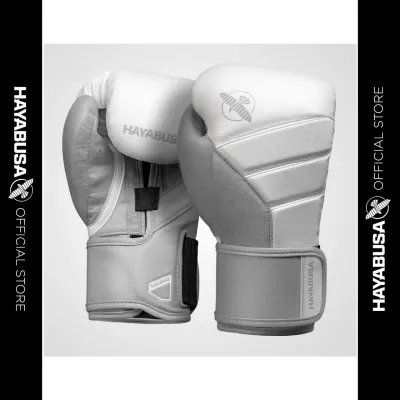
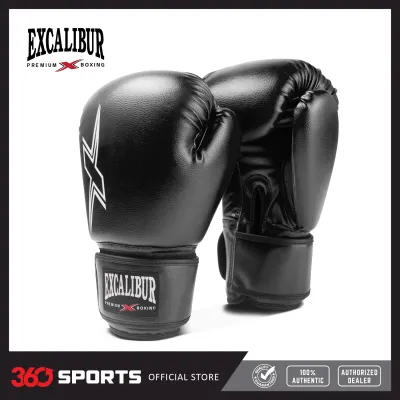
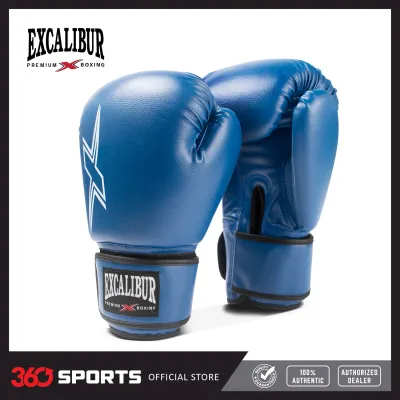
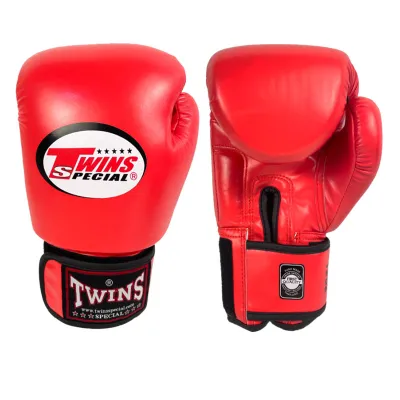
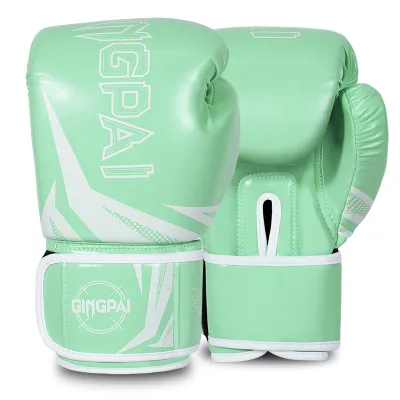
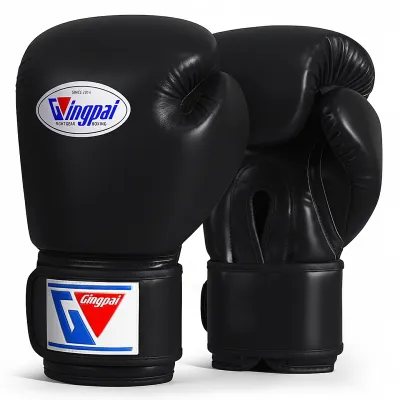
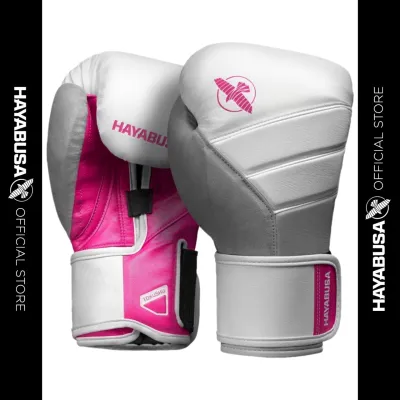
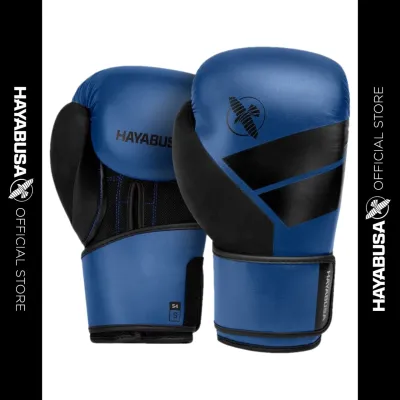
Prices are valid at publication and may change. Please refer to the product page for the latest price.
Your weekly training frequency and intensity also dictate the level of durability you need. If you only attend a fitness boxing class once a week, a lightweight synthetic glove may serve you well. However, if you are training multiple times a week or preparing for amateur competition, you will require high-density padding and robust outer materials that can withstand constant friction and heavy sweat.
While beginners often look for a single pair of gloves to handle all tasks, advanced practitioners know that specialized sessions require specialized gear. Using the same glove for heavy bag work and sparring quickly degrades the soft foam needed for safe sparring, rendering the gloves unsafe for partner drills. Remember that no piece of equipment can replace proper striking technique, physical conditioning, and the guidance of a qualified boxing coach.
Core Comparison Dimensions for Sting Boxing Gloves
To evaluate different Sting models objectively, you must look beyond aesthetic designs and focus on core construction elements. The first dimension is padding composition and density. High-quality gloves typically feature multi-layer foam systems, which combine layers of varying densities to disperse shock progressively. Single-density foam, often found in budget models, offers less progressive resistance and can wear down rapidly under heavy use.

The outer material is another critical factor, especially under tropical conditions. Genuine leather, such as premium cowhide, offers superior natural elasticity, durability, and breathability, allowing moisture to escape more easily. Synthetic leathers, like polyurethane (PU) or specialized engineered synthetics, have improved significantly and offer excellent moisture resistance, but they may retain heat and sweat more than genuine leather in humid gym environments.
Closure systems directly impact wrist stability and convenience. Hook-and-loop closures are the standard for solo training because they allow you to put on and remove your gloves without assistance. Lace-up closures provide a highly customizable, secure fit and superior wrist support, but they require a coach or training partner to tie them before every round.
Glove weight, measured in ounces (oz), is not just about physical weight but also padding volume. Standard sizes range from 10 oz to 16 oz or more. Lighter gloves (10 oz to 12 oz) are typically used for competitive bouts or fast-paced mitt work, while heavier gloves (14 oz to 16 oz) provide the thick padding required for safe sparring and heavy bag protection.
Matching Glove Types to Heavy Bag, Sparring, and General Training
When selecting from the Sting lineup, you must align the glove’s category with your daily routine. Heavy bag gloves are engineered with dense, impact-resistant foam. This dense barrier prevents your knuckles from punching through the padding and striking the hard core of the bag. Look for models specifically labeled for bag work or featuring high-density injection-molded foam.
Sparring gloves prioritize the safety of both athletes. They feature a larger profile and softer, more forgiving foam layers. In most boxing gyms, 14 oz or 16 oz gloves are the mandatory minimum for sparring to ensure that punches do not cause unnecessary trauma. When browsing Sting’s offerings, verify that the model is explicitly rated for sparring before bringing it into the ring.
General training gloves serve as a middle ground. They balance moderate padding density with a versatile shape, making them suitable for focus mitts, double-end bags, and light bag drills. These are ideal for fitness boxing classes or structured workouts that transition quickly between different stations.
To ensure you are getting the right tool for the job, always verify current Sting model names—such as the Armaplus, Orion, or Evolution series—on the official manufacturer website or through authorized local sports retailers. Check their official product descriptions to confirm the intended use, rather than relying on third-party marketplace listings that may mislabel a bag glove as a sparring glove.
Verifying Fit, Safety, and Durability Before Purchase
Before finalizing your purchase, you must perform a series of checks to guarantee safety and comfort. Start by consulting the manufacturer’s official size chart. Do not rely on your standard glove size; instead, use a flexible measuring tape to measure your hand circumference just below the knuckles. Crucially, take this measurement while wearing your standard hand wraps, as wraps add significant volume to your hand.
Once you try the gloves on, inspect the internal ergonomics. Your thumb should sit in a natural, slightly curved position that aligns with your fist. A poorly designed thumb compartment can force your thumb outward, increasing the risk of hyperextension or jamming upon impact. The wrist collar should wrap snugly around your forearm, leaving no gaps that allow your wrist to bend backward during a punch.
Review the care instructions and warranty terms provided by the seller. High-quality gloves often come with specific guidelines on drying and storage to prevent the breakdown of internal adhesives and foam.
Finally, when purchasing from online sports stores or ecommerce platforms, confirm their return and exchange policies. Because hand shapes vary widely, you need the flexibility to return the gloves if they pinch your fingers, restrict blood flow, or fail to provide adequate wrist support during a dry fit test at home.
Final Decision Framework: Choosing Your Sting Gloves
To simplify your decision, apply these conditional rules based on your training profile. If your routine consists entirely of solo heavy bag workouts, focus mitt drills, and high-impact conditioning, choose a dedicated bag glove with dense, protective foam to safeguard your joints.
If you are an active boxer who regularly participates in partner drills, technical sparring, or open sparring sessions, invest in a dedicated pair of 14 oz or 16 oz sparring gloves. This is a matter of mutual respect and safety in the gym.
If you are a beginner, a fitness enthusiast, or someone whose workouts involve a mix of light bag work and cardiovascular drills, a versatile general training glove is the most practical and cost-effective starting point.
Lastly, if you have a history of wrist pain, hand injuries, or require custom orthotic support, do not rely solely on glove specifications. Consult your boxing coach or a medical professional to determine if you need specific wrist-wrapping techniques, lace-up gloves, or specialized orthopedic support before stepping back onto the canvas.
Frequently Asked Questions (FAQ)
Can I use the same Sting gloves for both heavy bag work and sparring?
Using a single pair of gloves for both heavy bag work and sparring is highly discouraged. The repetitive, high-force impact of hitting a dense heavy bag compresses the internal foam layers over time, making the padding hard and flat. If you then use those same compressed gloves for sparring, you risk injuring your training partner. Always check the manufacturer’s specific guidelines, but as a general safety rule, keep your sparring gloves separate from your bag gloves.
How do I clean and maintain my boxing gloves to prevent odor?
In humid tropical climates, moisture management is essential to prevent bacteria and odor. After every training session, wipe down the exterior of your gloves with a damp cloth and thoroughly air out the interior in a well-ventilated, shaded area. Avoid direct sunlight, machine washing, or using harsh chemical sprays, as these can dry out genuine leather and degrade synthetic materials. Using cedar glove dogs or moisture-absorbing inserts can also help maintain the integrity of the inner lining.
What size (oz) Sting gloves should a beginner buy?
For most beginners, glove size depends on body weight and the primary type of training. Generally, adults weighing under 140 lbs (63 kg) often start with 12 oz gloves for general training, while those over 140 lbs typically opt for 14 oz or 16 oz gloves to ensure adequate hand protection. However, because fit and hand compartment sizes vary between different Sting models, always cross-reference your hand measurements with the brand’s official sizing chart before purchasing.

Community discussion
Share your experience or ask a question. Comments are reviewed before publication.