
Choosing the right boxing mouthguard depends on your training intensity, budget, and dental structure. While a basic guard offers a minimal barrier, high-impact sparring demands a precise fit to help distribute impact forces and protect your teeth, lips, and jaw. However, you must recognize that protective equipment cannot replace proper defensive training, head movement, and adherence to safety rules. Before stepping into the ring, you must evaluate whether a stock, boil-and-bite, or custom-fit mouthguard matches your specific training environment and skill level.
In combat sports, a mouthguard is not merely an accessory; it is a vital piece of safety gear designed to absorb and disperse the energy of incoming strikes. The effectiveness of this protection is directly tied to how well the guard conforms to your teeth and gums. By understanding the structural differences, material properties, and maintenance requirements of each type, you can make an informed decision that keeps you safe during training and sparring.
Understanding the Three Main Types of Boxing Mouthguards
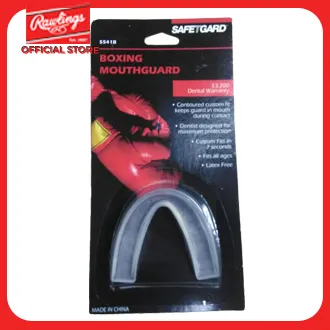
Stock mouthguards are pre-formed, ready-to-use protective covers that you can wear immediately out of the package. They are typically made of rigid rubber or polyvinyl materials and come in standard small, medium, or large sizes. Because they are not molded to your individual dental structure, they rely entirely on you clenching your teeth together to keep them in place. This design offers a loose, generic fit that rarely matches the natural contours of your mouth.
Products mentioned in this guide
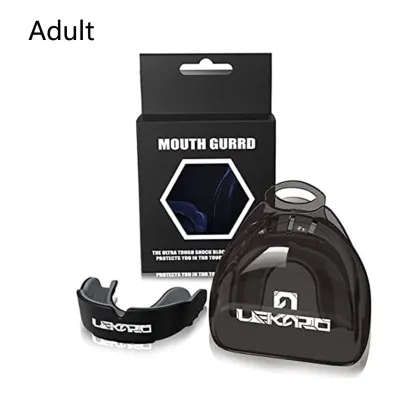
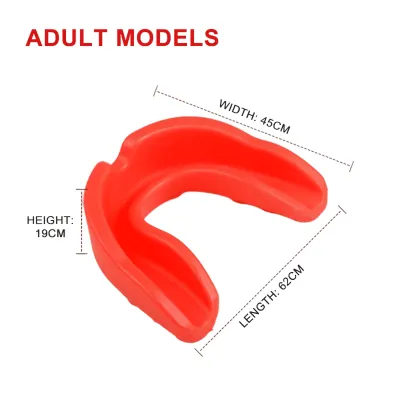
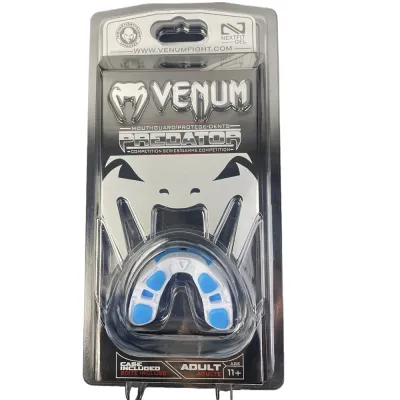
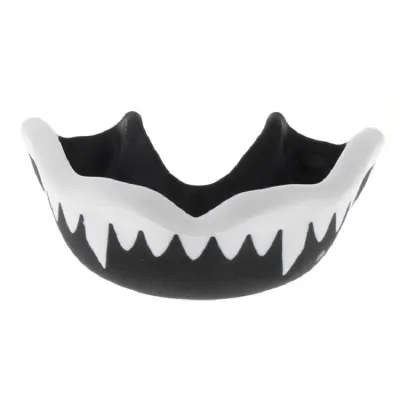
Prices are valid at publication and may change. Please refer to the product page for the latest price.
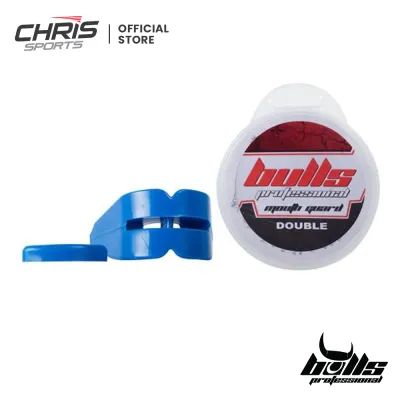
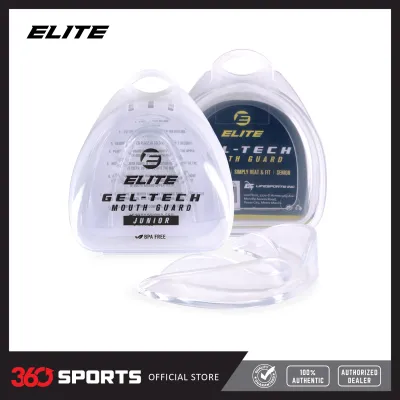
Boil-and-bite mouthguards are made from thermoplastic materials, most commonly ethylene-vinyl acetate (EVA). These guards are designed to be customized at home through a simple thermal adaptation process. By placing the guard in boiling water for a specified number of seconds, the material becomes soft and pliable. You then place it in your mouth, using your fingers, tongue, and gentle biting pressure to mold the plastic around your teeth before cooling it in cold water to set the shape.
Custom-fit mouthguards represent the highest tier of personalization and are fabricated using a precise impression of your teeth. This process typically involves biting into a dental putty tray, either at a professional dental clinic or using a specialized home impression kit. The resulting mold is sent to a laboratory where technicians vacuum-form multiple layers of high-density, dental-grade laminate over the model. This ensures the guard matches every groove of your teeth and conforms perfectly to your individual bite.
Comparing Protection, Comfort, and Breathing Efficiency
Impact absorption relies heavily on how well a mouthguard distributes force across your entire dental arch. Stock mouthguards offer uneven contact, leaving significant gaps between the material and your teeth. When you receive a strike, the force is concentrated on a few contact points rather than being distributed safely. Boil-and-bite models provide a much closer fit, but the DIY molding process can sometimes result in uneven thickness, especially if you bite down too hard and accidentally thin out the protective material over your front teeth.

Custom-fit mouthguards maintain a uniform, controlled thickness across all critical areas, offering reliable force distribution. Because they are vacuum-formed under high pressure, the material density remains consistent, providing a robust barrier against direct impacts. This precise adaptation helps stabilize the jaw, reducing the risk of joint displacement and minimizing the force transmitted to the skull during a strike.
Breathing efficiency and clear communication are critical during intense boxing rounds. Stock mouthguards require you to keep your jaw clenched constantly to prevent the guard from falling out, which severely restricts your oxygen intake and prevents you from speaking to your coach. Boil-and-bite guards offer moderate retention, but they can still shift during heavy movement. Custom-fit guards snap securely onto your upper teeth, staying firmly in place even when you open your mouth fully to breathe deeply or call out instructions.
Evaluating Cost, Durability, and Training Value
When assessing the financial aspect of protective gear, you will find distinct price tiers that reflect the manufacturing complexity of each mouthguard type. Stock mouthguards are the most budget-friendly option, widely available at local sporting goods stores for a minimal cost. Boil-and-bite models represent a moderate step up in price, easily found on online marketplaces and specialty boxing shops. Custom-fit mouthguards require a significant financial commitment, reflecting the professional laboratory labor, materials, and dental impressions involved.
Durability is highly influenced by material quality, chewing habits, and environmental conditions. In the warm and humid climate of the Philippines, gym bags can quickly become breeding grounds for bacteria, which can degrade lower-grade plastics over time. Stock guards tend to harden and crack relatively quickly under regular use. Boil-and-bite guards offer decent durability, but frequent clenching and chewing can cause the thermoplastic to stretch, warp, or thin out within a few months of heavy training.
Custom-fit mouthguards are constructed from high-grade laminates that resist tearing and structural deformation, often lasting for several years if your dental structure does not change. For beginners who are focusing on non-contact shadowboxing and light bag work, a mid-range boil-and-bite guard offers excellent initial value. However, for amateur competitors and frequent sparring partners who train multiple times a week, the long-term durability and superior comfort of a custom-fit guard justify the higher upfront cost.
Decision Framework: Which Mouthguard Fits Your Profile?
You should choose a stock mouthguard only if your budget is extremely tight, or if you need immediate, temporary protection for a single, non-contact training session. Because they do not stay in place without constant clenching, they are not suitable for active sparring or high-intensity drills where you need to focus entirely on your footwork and defense.
You should choose a boil-and-bite mouthguard if you are a recreational boxer, fitness enthusiast, or beginner transitioning into light, controlled sparring. This type offers a practical balance of affordability, ease of access, and customizable protection. It allows you to participate safely in partner drills without a massive financial investment while you decide if you want to pursue the sport long-term.
You should choose a custom-fit mouthguard if you engage in frequent, hard sparring, plan to compete in amateur or professional bouts, or simply want the highest level of comfort and breathing efficiency. The secure fit ensures the guard remains in place during heavy exchanges, allowing you to focus completely on your performance rather than adjusting your gear.
You must verify your options with a professional first if you wear braces, have dental implants, suffer from temporomandibular joint (TMJ) issues, or have other ongoing orthodontic work. Standard over-the-counter guards can interfere with orthodontic movement or become locked onto brackets. A dentist can create a specialized custom guard that accommodates your braces while protecting your lips from lacerations.
Fitting, Maintenance, and When to Replace
To get the best possible fit from a boil-and-bite mouthguard, you must follow the manufacturer’s instructions precisely, as heating times vary by brand. Generally, you will need to submerge the guard in boiling water using a spoon, remove it after the specified seconds, and cool it briefly in a bowl of room-temperature water to avoid burning your mouth. Place the guard over your upper teeth, press it firmly against your gums, suck out all air and water to create a vacuum, and use your fingers to mold the outer edges through your lips. Finish by biting down gently and plunging the guard into ice water to lock the shape.
Proper maintenance is essential to prevent bacterial growth and extend the lifespan of your gear, especially in tropical climates. After every training session, rinse your mouthguard thoroughly with cool water and clean it using a soft toothbrush and mild soap. Never use hot water for cleaning, as this can warp thermoplastic materials. Allow the guard to air dry completely before storing it in a heavy-duty, ventilated plastic case to prevent mold and unpleasant odors.
Avoid leaving your mouthguard inside a parked car, direct sunlight, or a closed gym bag, as extreme heat can deform the shape. You must inspect your mouthguard regularly for visible signs of wear. If you notice thinning bite pads, tears in the material, discoloration, or if the guard no longer snaps securely onto your upper teeth, you must replace it immediately to ensure your safety in the ring.
Frequently Asked Questions (FAQ)
Can I use a regular sports mouthguard for boxing?
While generic sports mouthguards designed for field sports offer basic dental coverage, they are often not optimized for the specific impact angles of boxing. Boxing mouthguards require thicker front sections to absorb direct facial strikes and a design that helps stabilize the jaw against upward and lateral forces. Using a guard designed for non-contact sports may leave you vulnerable to dental fractures and soft tissue cuts during heavy sparring.
Do I need a mouthguard for heavy bag work?
Yes, wearing a mouthguard during heavy bag work and solo drills is highly recommended. When throwing powerful punches, you naturally clench your jaw under exertion, which can lead to chipped teeth or accidental tongue biting if you lose focus. Training with your mouthguard during solo workouts also helps you build muscle memory, conditions your jaw muscles, and adapts your breathing patterns to the gear before you enter a live sparring session.

Community discussion
Share your experience or ask a question. Comments are reviewed before publication.