
Choosing the right Sunsport volleyball depends entirely on your playing surface—whether you are playing on a polished indoor wooden or rubberized court, or on a rugged outdoor concrete barangay court or sandy beach. Indoor play requires a softer, synthetic leather ball with precise panel construction for control and consistent flight. Outdoor play demands a highly durable, water-resistant rubber or heavy-duty synthetic ball that can withstand rough surfaces, high humidity, and intense tropical heat. Selecting the wrong type can lead to rapid wear, poor handling, or hand discomfort during play.
Quick Answer: Core Differences Between Indoor and Outdoor Balls
The fundamental differences between indoor and outdoor volleyballs lie in their material composition, panel construction, and weight distribution. Indoor volleyballs are engineered for controlled, wind-free environments. They feature soft synthetic leather covers and laminated panels that provide a smooth, seamless surface for precise passing and setting. These balls prioritize a soft touch and consistent flight over rugged durability.
In contrast, outdoor volleyballs are built to survive harsh elements like abrasive concrete, sand, wind, and moisture. They typically utilize durable rubber or thick, stitched synthetic covers that resist scuffing and water absorption. Outdoor balls are often slightly heavier or have deeper seams to help them cut through outdoor breezes and remain controllable in humid conditions. Because Sunsport offers distinct product lines tailored to these different settings, players must carefully check product specifications and labels rather than assuming a single ball will perform well on all surfaces.
Products mentioned in this guide
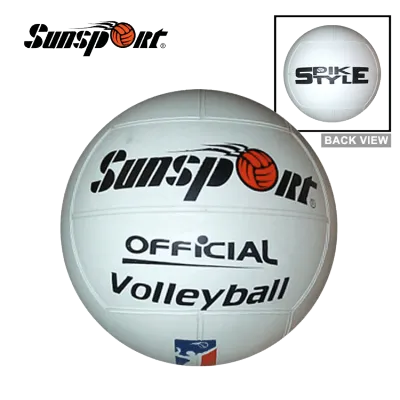
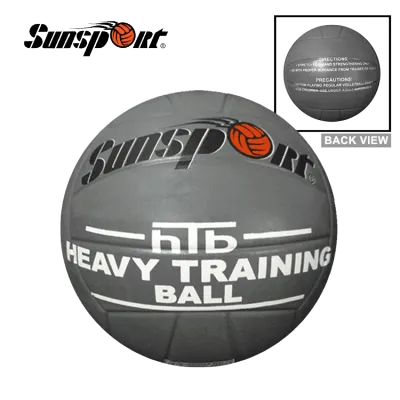
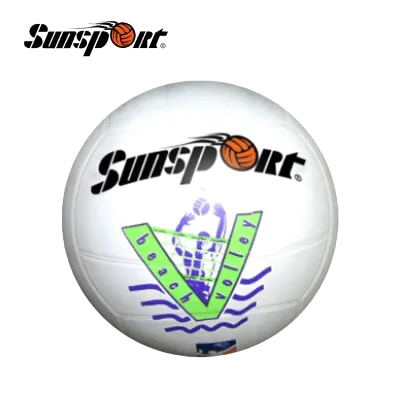
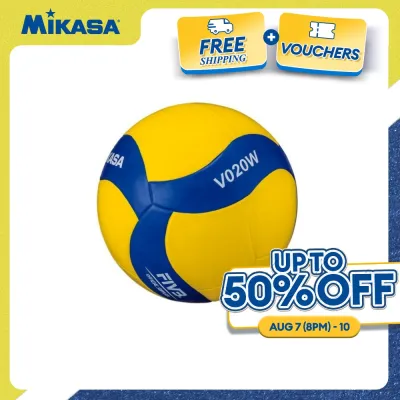
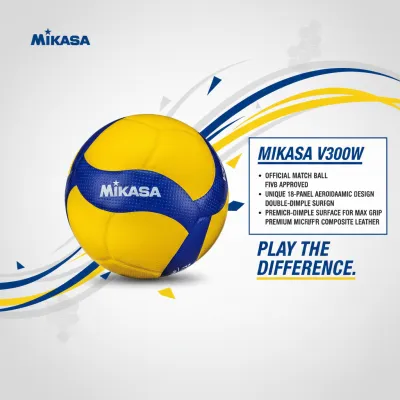
Prices are valid at publication and may change. Please refer to the product page for the latest price.
What to Look for in a Sunsport Indoor Volleyball
When selecting a Sunsport volleyball for indoor gym floors, the primary focus should be on touch, control, and aerodynamic consistency. Indoor courts, whether made of polished wood, vinyl, or rubberized materials, provide a clean and predictable playing surface. To complement this environment, indoor balls are designed with a premium synthetic leather cover, often made of polyurethane (PU). This material mimics the soft feel of genuine leather while offering excellent durability against repeated high-velocity impacts. The soft texture is crucial for reducing the sting on your forearms during repeated digs and passes, allowing for longer, more comfortable training sessions.

Another critical feature of indoor balls is their laminated construction. The panels of an indoor volleyball are glued directly onto an inner lining or bladder, resulting in a smooth, seamless exterior. This seamless design ensures that the ball maintains a perfectly spherical shape, which is essential for predictable flight paths and consistent bounce off the hands. It also prevents any uneven edges from altering the ball’s trajectory when spinning through the air.
Furthermore, indoor volleyballs are calibrated to operate at a lower internal air pressure, typically ranging from 4.26 to 4.61 psi. This lower pressure, combined with the cushioned synthetic leather, gives the ball a responsive, tactile feel that setters and attackers rely on for precise ball placement. When shopping, always verify the product details for explicit “indoor,” “court,” or “competition” designations to ensure you are getting a ball optimized for gym play.
Key Features for Sunsport Outdoor and Beach Volleyballs
Outdoor volleyball in the Philippines is incredibly popular, often played on concrete barangay courts, grassy parks, or sandy beaches. These environments present unique challenges, including abrasive surfaces, high humidity, sudden tropical rain, and intense sunlight. To withstand these conditions, a Sunsport outdoor volleyball must prioritize rugged durability and weather resistance over absolute softness.
For concrete courts, a solid rubber volleyball is often the most practical choice. Rubber covers are highly resistant to scrapes, punctures, and the constant friction of hitting rough ground. If you prefer a softer feel for beach or grass play, look for outdoor balls made with water-resistant synthetic covers. Unlike indoor balls, outdoor synthetic balls often feature stitched panels rather than laminated ones. Stitched seams are much more resilient against moisture, sand, and heat, preventing the panels from peeling apart when exposed to wet weather or sweat.
Visibility and grip are also vital when playing outdoors. Outdoor volleyballs frequently feature bright, high-contrast color schemes—such as combinations of yellow, blue, white, and orange—to help players track the ball against bright blue skies, green foliage, or sandy backgrounds. Additionally, outdoor balls often have deeper panel grooves. These pronounced seams provide players with a more secure grip, even when the ball becomes dusty from the ground or slick from humidity and perspiration. When browsing Sunsport options, look for labels indicating “outdoor,” “beach,” “all-weather,” or “rubber construction” to ensure the ball is built for the elements.
How to Verify Sunsport Ball Specifications Before Purchase
Because product availability and specific model names can vary, it is essential to know how to inspect and verify a Sunsport volleyball’s specifications before making a purchase. Whether you are shopping at a local sporting goods store or browsing an online marketplace, using a systematic checklist will ensure you get the right ball for your needs.
First, examine the physical product label or the online product description carefully. Look for explicit details regarding the cover material. If the description mentions “rubber” or “stitched synthetic,” the ball is designed for outdoor use. If it specifies “laminated PU leather” or “microfiber,” it is intended for indoor courts. Additionally, check the recommended inflation pressure, which is usually printed directly on the ball near the air valve.
Second, verify the size and weight of the ball. For standard adult play, you should look for a Size 5 volleyball, which is the official size used in most recreational and competitive leagues. Ensure the weight feels balanced and matches standard regulations if you plan to use it for organized local tournaments. A ball that is too light may drift unpredictably in the wind, while a ball that is too heavy can cause joint strain.
Finally, perform a visual inspection of the valve and seams. The air valve should be securely seated and flush with the ball’s surface to prevent air leaks. For outdoor stitched balls, check that the stitching is tight, uniform, and free of loose threads. For indoor laminated balls, run your fingers along the seams to ensure there are no lifting edges or visible glue residue, which could indicate a manufacturing defect or poor storage conditions.
Can You Use the Same Sunsport Ball for Both Environments?
While it may be tempting to purchase a single Sunsport volleyball to use for both indoor gym sessions and outdoor backyard games, doing so involves significant trade-offs that can ruin your equipment or compromise your gameplay. Understanding these limitations will help you decide whether a single compromise ball is sufficient or if you should invest in two dedicated models.
Using an indoor volleyball on an outdoor concrete court is highly discouraged. The abrasive surface of concrete will quickly scuff, scratch, and tear the delicate synthetic leather cover. Furthermore, exposure to dirt, sand, and moisture will degrade the adhesive holding the laminated panels together, causing them to peel and bubble. Once an indoor ball is damaged by outdoor elements, its aerodynamic properties are permanently ruined, making it unusable for precise indoor play.
Conversely, using an outdoor rubber ball on an indoor court has its own drawbacks. Rubber balls are significantly harder and heavier, which can cause discomfort and bruising on the forearms during intense indoor drills. Additionally, rubber covers can leave dark scuff marks on polished wooden or vinyl gym floors, which can damage the court surface and upset facility managers.
If you only play casually and require a single ball for multiple surfaces, a stitched, water-resistant synthetic outdoor ball is the most versatile compromise. It offers a slightly softer feel than pure rubber while remaining durable enough to handle occasional outdoor use. However, for players who regularly transition between organized indoor leagues and outdoor community courts, investing in two separate Sunsport volleyballs is the best way to ensure optimal performance and longevity for both balls.
Frequently Asked Questions (FAQ)
How do I know the correct air pressure for my Sunsport volleyball?
To find the correct air pressure, look for the small printed text located directly next to the inflation valve on the ball. This text typically specifies the recommended pressure range in PSI (pounds per square inch) or bar. For most standard volleyballs, this range is between 4.26 and 4.61 psi. Always use a reliable pressure gauge to check the inflation level, as over-inflating can warp the ball’s shape or pop the bladder, while under-inflating will result in a poor bounce. To protect the valve from damage, always lubricate the inflation needle with a drop of water or glycerin before gently inserting it.
Does the color of the volleyball affect outdoor play?
Yes, the color of a volleyball significantly impacts visibility during outdoor play. High-contrast, multi-colored designs—such as bright yellow, blue, and white panels—help players track the ball’s spin and trajectory against complex outdoor backgrounds like bright sunlight, clouds, trees, or sand. While these vibrant colors make tracking easier for your eyes, they do not alter the physical performance, weight, or structural durability of the ball itself.

Community discussion
Share your experience or ask a question. Comments are reviewed before publication.