
Finding the best swimming goggles with ear plugs in the Philippines requires balancing water protection, facial comfort, and local environmental conditions. Whether you are swimming in a highly chlorinated public pool in Metro Manila, training in an indoor fitness center, or exploring the open coastal waters of Batangas, keeping water out of your eyes and ears is essential for a comfortable swim. Because ear canal shapes and facial structures vary widely, the ideal pair is not a single universal product, but rather the one that matches your specific swimming style, ear anatomy, and comfort preferences.
This guide will help you navigate the key features of integrated swim gear, evaluate different designs, and perform practical fit tests. By understanding what to look for when browsing local sports stores or online marketplaces, you can secure a watertight seal that protects against eye irritation and ear infections.
Do You Need Integrated Swimming Goggles and Ear Plugs?
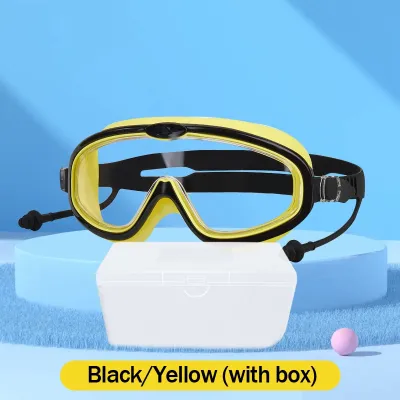
Integrated swimming goggles with attached ear plugs offer a highly convenient, all-in-one solution for swimmers who frequently struggle with misplaced gear. In a typical swimming session, standalone ear plugs are easily dropped, lost in the pool, or left behind in the shower room. Integrated designs solve this problem by tethering the ear plugs directly to the goggle strap, ensuring that if an ear plug slips out of your ear, it remains securely attached to your headgear.
Products mentioned in this guide
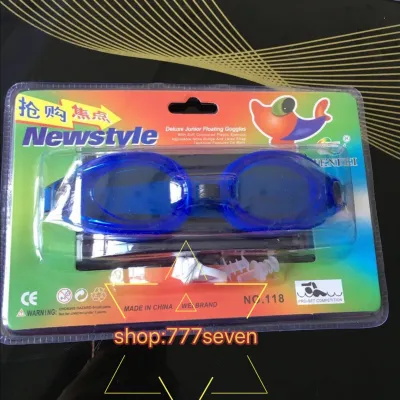
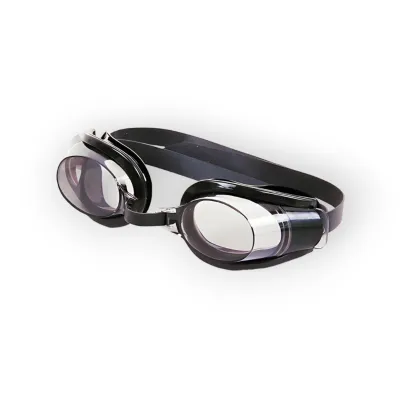
![YUPARD [COD] Anti-Fog and Anti-Leak Swimming Goggles Mirrored Lens UV Protection Easy-Adjust Silicone Strap with EarPlug Adult Men Women](https://img.lazcdn.com/g/p/a09b7a9ee517fc57a6c47f1cbb06e581.jpg_400x400q80.jpg_.webp)
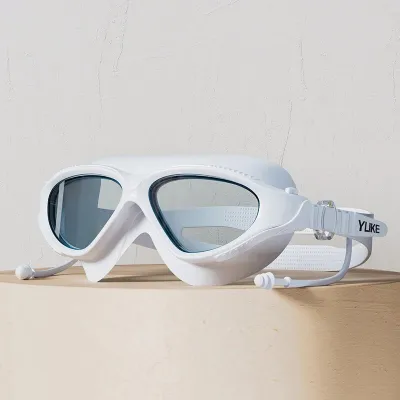
Prices are valid at publication and may change. Please refer to the product page for the latest price.
This combined setup is particularly advantageous for recreational swimmers, fitness enthusiasts, and parents managing gear for children. It simplifies your swim bag inventory and allows for quick transitions when entering or exiting the water. You do not have to worry about carrying separate storage cases for your ear plugs, and you can easily pop them in and out of your ears between sets without needing to find a dry surface to place them on.
However, integrated designs do have limitations that you should consider before purchasing. Because the ear plugs are attached to the goggle strap, their positioning is somewhat restricted by the angle and tension of the strap. If you have a unique ear canal shape, or if your ears are positioned slightly higher or lower than average relative to your eyes, the tethered plugs may pull uncomfortably or fail to align correctly with your ear canal.
For swimmers with highly sensitive ears, structural ear canal irregularities, or those recovering from middle ear surgery, separate high-quality goggles paired with custom-molded or specialized standalone ear plugs may still be the better choice. Evaluating your personal comfort and the physical shape of your ears will help you decide if the convenience of an integrated design outweighs the customizable fit of separate components.
Key Features to Evaluate When Buying Goggles With Ear Plugs
When shopping for goggles with ear plugs on e-commerce platforms or in local sporting goods stores, paying attention to specific material and design features will help you avoid buying a pair that leaks or causes discomfort.

Ear Plug Material and Shape
Most integrated ear plugs are made from soft, medical-grade silicone. Look for plugs that feature a multi-flanged design, often referred to as a “Christmas tree” shape. These multiple layers of thin, flexible silicone flanges fold slightly as they enter the ear canal, creating multiple barriers against water entry. Some models feature hollow, highly flexible stems that bend easily to accommodate the natural curve of your ear canal, reducing pressure points and preventing soreness during long swims.
Goggle Skirt Seal Quality
The goggle skirt—the soft silicone portion that rests against your face—is the most critical factor in preventing eye leaks. High-quality goggles utilize liquid silicone rubber (LSR), which is exceptionally soft, hypoallergenic, and highly conformable to facial contours. A double-skirt design, which features an inner and outer seal layer, offers superior leak protection by distributing pressure more evenly around the orbital bone.
Strap Adjustability and Security
A secure strap system is essential to maintain both the eye seal and the ear plug position. Look for wide, split-strap designs made of durable silicone. Split straps grip the back of the head more securely, preventing the goggles from sliding down during active swimming. Easy-adjust buckles, preferably located on the sides or back of the head, allow you to fine-tune the tension without pulling your hair or distorting the fit of the ear plugs.
Lens Tint and UV Protection
The ideal lens tint depends entirely on where you plan to swim in the Philippines. For outdoor pools, open-water swimming, or bright beach environments, mirrored or dark-tinted lenses are crucial to block intense glare and reduce eye strain. Ensure the lenses offer certified UV protection to shield your eyes from strong tropical sunlight. For indoor pools or early morning swims, clear or lightly colored lenses (such as blue or yellow) provide the best visibility and contrast.
Anti-Fog Coating and Frame Flexibility
High humidity levels in the Philippines can cause swim goggles to fog up rapidly due to the temperature difference between your warm face and the cooler water. Look for goggles with a durable, factory-applied anti-fog coating on the inner surface of the lenses. Additionally, a flexible frame or an adjustable nose bridge allows the goggles to flex and match the width of your face, which directly improves the seal around both your eyes and your ears.
Matching the Gear to Your Swimming Style and Needs
Not all swimmers use the water in the same way, and matching your gear to your specific activities will ensure you get the best performance and longevity out of your purchase.
Recreational and Leisure Swimmers
If your primary goal is casual wading, playing with family, or light water aerobics, comfort should be your absolute priority. Recreational swimmers benefit most from wide-frame goggles that offer a broad field of vision and a soft, cushioned fit around the eyes. Since you are not moving at high speeds or performing aggressive flip turns, a slightly looser, highly comfortable strap tension is perfectly acceptable, and clear or lightly tinted lenses will serve you well in most resort or backyard pools.
Lap Training and Fitness Swimmers
For those who swim laps regularly for exercise or training, a low-profile, hydrodynamic goggle design is highly recommended. These goggles sit closer to the eye sockets, reducing water resistance and staying firmly in place during fast starts, vigorous strokes, and flip turns. Fitness swimmers need a highly secure strap locking mechanism to ensure that the movement of water does not dislodge the goggles or pull the attached ear plugs out of place during high-intensity sets.
Swimmers Prone to Ear Infections
If you suffer from frequent outer ear infections, commonly known as swimmer’s ear or otitis externa, your priority is a highly reliable, deep-canal seal. Warm, humid tropical climates can accelerate the growth of bacteria in trapped pool water, making ear protection even more critical. Look for integrated goggles that feature hypoallergenic, medical-grade silicone ear plugs with deep-insertion flanges. Ensure the plugs can be cleaned thoroughly to prevent bacterial buildup between swim sessions.
How to Test the Fit and Seal Before You Buy
If you are purchasing your goggles at a physical retail store, or testing them immediately after an online delivery arrives, performing a few simple, observable checks will confirm whether the gear is suitable for your face and ears before you take them to the pool.
To test the goggle seal, perform the classic “suction test” without using the head strap:
- Clear any hair away from your forehead and eyes.
- Press the goggle lenses firmly against your eye sockets, ensuring the silicone skirt is flat against your skin.
- Release your hands.
If the goggles stick to your face for a second or two before falling off, it indicates that the shape of the frame and skirt matches your facial structure and will create a reliable, watertight seal under water pressure. If they pop off instantly without any suction, water is highly likely to leak in during your swim.
Next, test the ear plugs for comfort and insertion depth. Gently insert the attached ear plugs into your ears while wearing the goggles. The plugs should slide in smoothly and create a gentle seal without causing any sharp pain, pinching, or excessive pressure. Turn your head from side to side and look up and down; the tethers should have enough slack so that your head movements do not pull the ear plugs out of your ears or drag the goggles away from your eyes.
Finally, check the nose bridge fit. The nose bridge should not pinch the sides of your nose or dig into your skin. If the goggles feel too wide or too narrow, check if the package includes interchangeable nose bridges of different sizes. When purchasing from online marketplaces, always check the seller’s return or exchange policy regarding fit issues, and read user reviews to see if other buyers with similar facial structures experienced leaking or fit problems.
Cleaning and Storage to Maintain the Seal and Hygiene
Proper maintenance is essential to preserve the delicate anti-fog coatings, maintain the flexibility of the silicone seals, and ensure the hygiene of the ear plugs.
After every swim, follow these steps to clean your gear:
- Rinse thoroughly: Rinse the goggles and ear plugs in clean, cool tap water immediately after use. This removes chlorine, salt, sweat, and sunscreen residues that can degrade silicone over time.
- Do not touch the inner lenses: Avoid wiping or rubbing the inside of the lenses with your fingers, towels, or microfiber cloths. Doing so will scratch or rub off the delicate anti-fog coating.
- Air dry in the shade: Allow the goggles to air dry completely in a well-ventilated indoor area. Never leave them to dry in direct tropical sunlight, as extreme heat and UV rays will warp the silicone, dry out the ear plugs, and ruin the frame's flexibility.
- Store in a protective case: Once dry, store your goggles in a hard-shell protective case to prevent scratches, dust accumulation, and accidental crushing in your swim bag.
Over time, even high-quality silicone will begin to degrade. Inspect your gear regularly for signs of wear, such as yellowing, stiffness, stickiness, micro-cracks, or a persistent loss of elasticity in the ear plugs or goggle skirt. If you notice these signs, or if the goggles begin to leak despite proper adjustment, it is time to replace the unit to ensure continued protection and comfort.
Frequently Asked Questions (FAQ)
Can I replace the ear plugs on integrated swimming goggles?
Whether you can replace the ear plugs on integrated swimming goggles depends entirely on the specific manufacturer’s design. Some models feature detachable ear plugs that slide onto a small peg or loop on the goggle strap, allowing you to easily replace them if they become worn, dirty, or lost. Other models feature permanently molded ear plugs that are a continuous part of the silicone strap. If long-term hygiene, customization, or replaceability is a priority for you, always check the product specifications or contact the seller to confirm if the ear plugs are detachable before making your purchase.
Are swimming goggles with ear plugs suitable for diving or jumping into the pool?
Standard integrated swimming goggles with ear plugs are designed primarily for surface swimming, lap training, and casual recreation. They are generally not suitable for high-impact water entry, such as diving from a starting block, jumping from high platforms, or scuba diving. The sudden impact force of hitting the water can easily dislodge the goggles, push the ear plugs uncomfortably deep into your ear canals, or cause a sudden pressure change that can lead to ear pain or injury. For diving or high-impact water sports, it is safer to use specialized, low-profile racing goggles without attached ear plugs, or consult a professional regarding pressure-rated ear protection.

Community discussion
Share your experience or ask a question. Comments are reviewed before publication.