
Selecting an SWS cot tent requires a careful evaluation of technical specifications, materials, and structural designs to ensure your gear matches your specific outdoor environment. Unlike standard ground tents, a cot tent elevates your sleeping platform, combining the structural support of a camping cot with the weather protection of a tent canopy. To make an informed purchase, you must look beyond generic marketing claims and systematically analyze how a model’s frame stability, fabric durability, and spatial footprint align with your physical needs and transport limitations.
By focusing on verifiable product specifications, you can avoid common pitfalls such as purchasing a system that is too heavy for your transport method, too small for your body type, or structurally unstable on uneven terrain. This guide provides a practical framework to help you assess these critical factors, allowing you to choose a reliable shelter that delivers comfort and safety throughout your outdoor adventures.
Define Your Camping Scenario and Transport Limits
Before diving into specific product dimensions or material grades, you must clearly define how and where you plan to use your cot tent. The ideal shelter for a car camping trip in a established campsite differs significantly from the gear required for a multi-day motorcycle tour or a remote backpacking expedition. Identifying your primary transport method is the first step in filtering out incompatible models.
Products mentioned in this guide
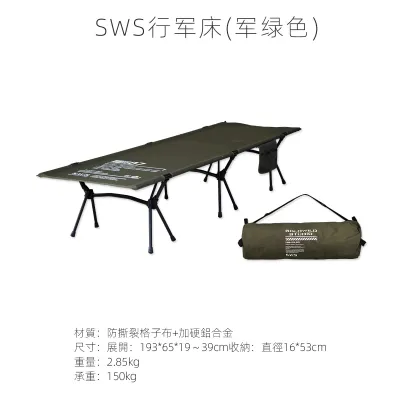
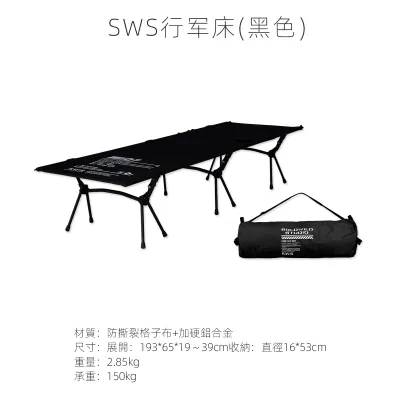
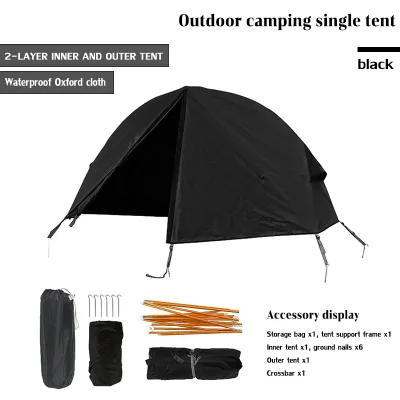
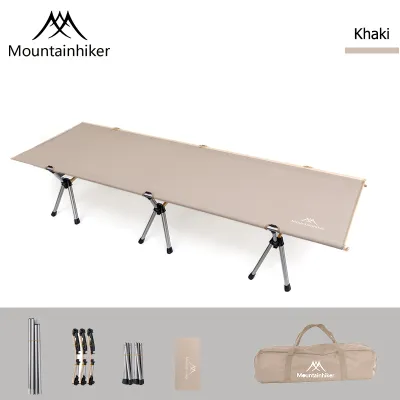
Prices are valid at publication and may change. Please refer to the product page for the latest price.
For car campers, packed weight and folded dimensions are rarely limiting factors. If you are loading your gear into the trunk of an SUV or a pickup truck, you can prioritize maximum interior space, thicker sleeping surfaces, and more robust frame designs. These models offer enhanced comfort and durability but are typically too bulky and heavy for any activity that requires carrying your gear over long distances.
Conversely, if you are a motorcycle tourer or a backpacker exploring rugged trails, packed size and weight are your primary constraints. Every liter of packing space and every gram of weight directly impacts your physical fatigue and vehicle handling. In these scenarios, you must look for ultra-lightweight aluminum frames and compact folding designs that can be securely strapped to a cargo rack or packed inside a travel gear bag.
Your typical camping environment also dictates the necessary features of your cot tent. Camping in highly humid, tropical environments requires a shelter with exceptional ventilation to manage condensation, while coastal beach camping demands materials that can resist corrosion from salt air. Similarly, setting up camp on soft, muddy ground or loose sand requires a different leg configuration than pitching on hard, rocky terrain.
Verify Dimensions, Footprint, and Weight Capacity
Physical compatibility is a non-negotiable safety factor when choosing a cot tent. You must verify that the unfolded outer dimensions of the cot will fit comfortably within your intended camping footprint. If you plan to use the cot tent as a standalone shelter, ensure the overall length and width provide enough clearance for your body length, allowing at least ten to fifteen centimeters of extra space to prevent your head or feet from pressing against the tent walls.

If you intend to place the cot tent inside a larger family tent or under a communal tarp shelter, you must carefully measure the inner floor space and ceiling height of the host structure. Standard cots elevate you off the ground, which significantly reduces the available headroom inside sloped-wall tents. Ensure that the peak height of the cot tent does not force the canopy into direct contact with the outer tent’s fabric, as this can compromise water resistance and restrict airflow.
Weight capacity is another critical specification that requires close inspection of the manufacturer’s product label. Never select a cot tent with a maximum weight limit that matches your exact body weight. You must factor in a safety margin that accounts for your sleeping bag, mattress pad, personal gear, and the dynamic forces exerted when you roll over or sit up on the edge of the cot.
Finally, evaluate the packed dimensions against your storage limits. Measure your vehicle’s cargo area or your motorcycle’s panniers before purchasing. A cot tent that is even a few centimeters too long when folded can prevent your trunk from closing or create an unbalanced load on a motorcycle rack, presenting a safety hazard during transit.
Assess Frame Materials and Structural Stability
The frame is the foundation of your cot tent, determining both its overall weight and its ability to withstand wind and physical use. Most modern cot frames are constructed from either aluminum alloys or steel. Aluminum alloys offer an excellent strength-to-weight ratio and natural resistance to rust, making them highly suitable for humid tropical climates and weight-sensitive camping trips.
Steel frames, while significantly heavier, provide exceptional structural rigidity and are often more budget-friendly. They are highly durable and well-suited for stationary car camping where weight is not a concern. However, if you choose a steel frame, you must regularly inspect the protective powder coating or paint; any chips or scratches can quickly lead to rust when exposed to moisture or coastal air.
Beyond the raw materials, you must closely inspect the joint and hinge mechanisms of the frame. High-quality frames utilize heavy-duty steel pins, reinforced nylon joints, or aircraft-grade aluminum brackets at critical pivot points. Avoid designs with flimsy plastic connectors or loose-fitting joints, as these are common failure points under load. Ensure that all folding mechanisms feature secure locking pins or tension bars to prevent accidental collapsing.
Leg design plays a vital role in weight distribution and overall stability. Look for frames that feature horizontal stabilizer bars or wide, pivoting foot caps rather than narrow, vertical legs. Wide feet distribute your weight across a larger surface area, preventing the cot from sinking into soft forest soil, mud, or sand, while also protecting the floor of any underlying shelter from punctures.
Evaluate Fabric Quality and Sleep Surface Comfort
The fabric of your cot tent determines its long-term durability, weather resistance, and overall comfort. When reviewing product specifications, look for the denier rating (denoted by a “D”), which measures the thickness and density of the individual threads in the fabric. A higher denier rating, such as 600D polyester, indicates a thicker, more tear-resistant material suitable for the high-tension sleeping surface.
For the tent canopy and rainfly, a lower denier fabric (such as 75D to 150D nylon or polyester) is often preferred to keep the overall weight manageable while maintaining sufficient water resistance. Ensure the fabric features a ripstop weave, which incorporates stronger threads at regular intervals to prevent small punctures or snags from tearing into major rips.
In warm, humid climates, breathability is essential to prevent the interior of the tent from becoming hot and damp. Look for a cot tent design that incorporates large mesh panels on all sides to promote cross-ventilation. Dual-layer designs, which feature a separate inner mesh body and a removable waterproof rainfly, offer the greatest versatility, allowing you to sleep under open mesh on dry nights while remaining protected during sudden downpours.
Waterproofing specifications are typically measured by a hydrostatic head rating in millimeters. A rating of 1,500mm to 3,000mm is generally sufficient for standard camping conditions, indicating the fabric can withstand moderate to heavy rain without leaking. Additionally, verify that the manufacturer has applied factory seam tape to all stitched joints, as untaped seams are highly susceptible to water penetration.
Check Assembly Mechanisms and Setup Efficiency
A cot tent should be straightforward to assemble, even in low-light conditions or during sudden weather changes. Evaluate the folding mechanism to understand the physical effort and number of steps required for deployment. Some models feature an integrated, rapid-deployment frame system where the cot and tent poles are pre-attached, allowing you to set up the entire shelter in just a few minutes.
Other designs utilize a traditional pole-and-sleeve assembly for the tent canopy, requiring you to insert fiberglass or aluminum poles manually after unfolding the cot base. While these systems may take slightly longer to set up, they often allow you to use the cot independently as an open-air sleeping platform during dry, warm weather, providing excellent multi-use versatility.
Before purchasing, consult the manufacturer’s instructions or setup videos to verify that the assembly process does not require excessive physical strength or specialized tools. It is also wise to check the availability of replacement parts, such as spare poles, joint connectors, and elastic shock cords, directly from the manufacturer or local outdoor retailers, ensuring you can easily repair your gear if a component is damaged in the field.
Build Your Conditional Shortlist and Final Checks
Once you have analyzed the technical specifications, compile a conditional shortlist of cot tent models that meet your non-negotiable criteria. Create a simple comparison matrix based on your primary camping scenario, noting the exact weight, packed size, weight capacity, and frame material of each candidate. This structured approach prevents emotional purchasing decisions based solely on aesthetics or marketing hype.
Cross-reference your shortlisted models with official user manuals, product tags, or manufacturer specifications sheets to confirm that the real-world operational limits align with your needs. Pay close attention to any warnings regarding wind limits, proper anchoring procedures, and weight distribution guidelines to ensure safe operation.
If you encounter conflicting information or are unsure about a specific compatibility issue—such as whether a cot frame will fit inside your specific brand of family tent—stop and contact the manufacturer’s customer service or consult a qualified professional at a specialty outdoor retailer. Taking the time to verify these details before your trip ensures a safe, comfortable, and hassle-free camping experience.
Frequently Asked Questions (FAQ)
Can I use a cot tent inside any standard camping tent?
You can use a cot tent inside a standard camping tent only if the inner dimensions and structural design of the host tent allow for safe clearance. You must carefully measure both the outer footprint of the cot and the usable inner floor space of your tent, keeping in mind that tent walls often slope inward, which significantly reduces the available space as you move upward from the floor.
Adequate ceiling height and door clearance are essential for maneuvering the bulky cot frame in and out of the shelter without tearing the fabric. If the cot frame or the corners of the cot tent press tightly against the inner mesh or rainfly of the host tent, the resulting tension can damage the seams, compromise the waterproof barrier, and restrict the airflow necessary to prevent condensation.
How do I prevent the cot legs from damaging my tent floor?
To prevent the concentrated weight on the cot legs from puncturing or wearing holes in your tent floor, you should first check if the cot tent comes equipped with wide, rubberized, or flat-bottomed foot caps. These built-in features help distribute the downward pressure across a larger surface area, reducing the risk of friction damage to the delicate floor fabric.
If your cot has narrow or sharp metal feet, you can use aftermarket leg pads, heavy-duty rubber furniture cups, or small squares of closed-cell foam placed directly under each leg to act as a protective barrier. Additionally, always inspect and clear the ground beneath your tent floor of any sharp stones, twigs, or debris before setting up your tent and cot, as trapped objects can easily puncture the fabric under the weight of the cot.

Community discussion
Share your experience or ask a question. Comments are reviewed before publication.