
Choosing between a tactical carry hydration vest and a standard running vest comes down to your training load, environment, and gear requirements. If your workouts involve carrying heavy weights, navigating dense brush, or attaching modular gear like radios, a tactical carry hydration vest is essential. Conversely, if your primary goal is speed, breathability, and carrying only the bare essentials like water and energy gels, a standard running vest is the more efficient choice. Making the wrong choice can lead to premature gear failure, unnecessary physical strain, or severe discomfort during your training sessions.
Core Structural Differences That Affect Your Run
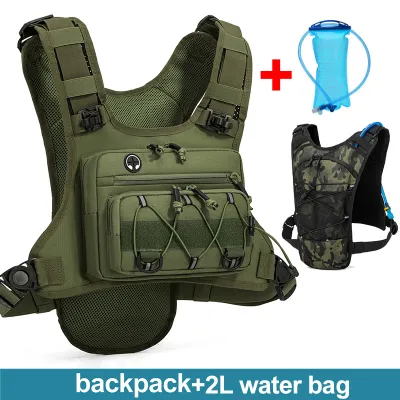
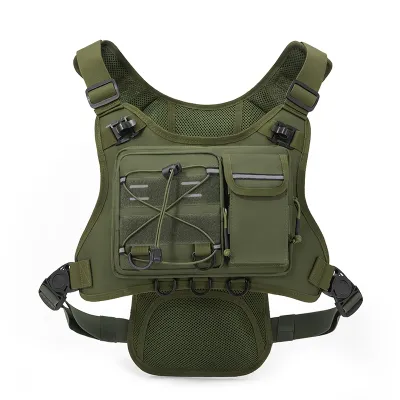
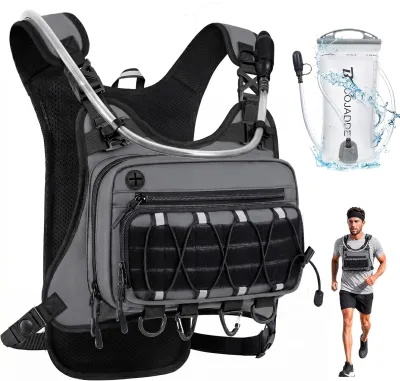
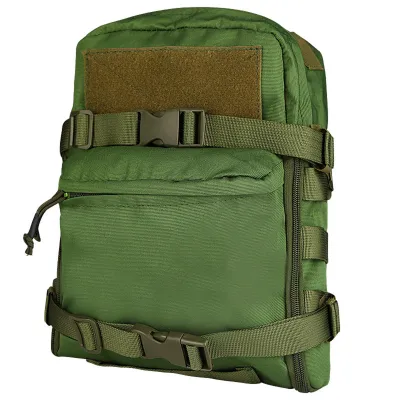
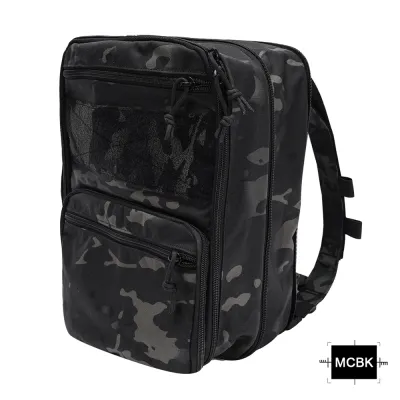
To choose the right gear, you must first understand the physical features and design philosophies that distinguish these two types of vests. Tactical carry hydration vests are built around modularity and ruggedness. They frequently feature heavy-duty attachment systems such as MOLLE (Modular Lightweight Load-carrying Equipment) webbing, daisy chains, and reinforced carabiner loops. These features allow you to customize your loadout by adding external pouches or tool attachments. In contrast, standard running vests utilize integrated, fixed-pocket layouts made of stretchy fabrics designed to keep your gear flush against your body to eliminate bounce.
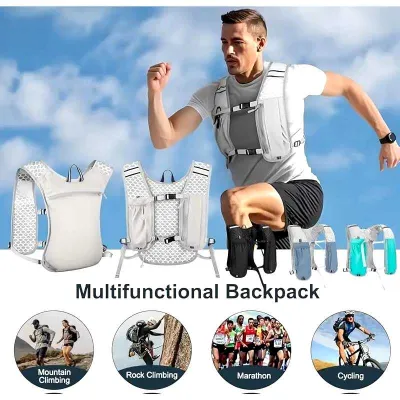
Material selection represents another major point of divergence. Tactical vests are constructed from heavy, abrasion-resistant fabrics like high-denier nylon. These materials are designed to withstand scraping against rocks, branches, and rough training equipment without tearing. However, this durability comes with a weight penalty and reduced breathability. Standard running vests prioritize ultralight, highly breathable meshes that maximize airflow. In hot and humid tropical climates, this breathability is crucial for temperature regulation during long, intense efforts.
Products mentioned in this guide
Prices are valid at publication and may change. Please refer to the product page for the latest price.
Hydration compatibility also differs significantly. Tactical models typically feature large, reinforced rear compartments that can accommodate heavy hydration bladders or even weighted plates for training. They also allow you to mount external water bottle pouches wherever you have webbing available. Standard running vests are optimized for front-facing soft flask holsters. This design allows you to drink on the move without removing the vest or reaching for a hose, keeping your weight balanced and your hands free.
Scenarios Where a Tactical Carry Hydration Vest is Necessary
Certain training regimens and outdoor environments demand the specialized features of a tactical carry hydration vest. If your routine includes rucking or weighted training, a standard vest will not suffice. Carrying heavy steel plates, sandbags, or multiple liters of water puts immense stress on shoulder straps and seams. A tactical vest is engineered with reinforced stitching, wider shoulder straps, and robust load-bearing panels that distribute heavy weight evenly across your torso, preventing fabric failure and reducing shoulder fatigue.

Technical trail running and bushwhacking also call for the rugged construction of a tactical vest. When navigating overgrown trails, dense forests, or rocky ridges, lightweight running mesh can easily snag and tear on sharp thorns or branches. A tactical vest’s tough outer shell acts as a protective barrier. Furthermore, the external lashing points allow you to securely carry essential outdoor gear such as trekking poles, a comprehensive first-aid kit, emergency shelter, or signaling devices without taking up valuable internal storage space.
For tactical fitness and occupational training, integration with specialized gear is a necessity. First responders, security personnel, and military athletes often need to train with the exact equipment they use on duty. A tactical carry hydration vest allows you to mount communication radios, utility tools, and specialized pouches directly to your chest or sides. This setup ensures that your training sessions closely mimic the weight distribution and accessibility of your operational gear, building critical muscle memory.
When a Standard Hydration Vest is the Better Choice
While tactical vests offer impressive durability, there are many scenarios where their weight and bulk become a distinct disadvantage. For road running and fast-paced track workouts, a standard hydration vest is often the more practical option. When your primary goal is speed and efficiency, any unnecessary weight will slow you down and increase fatigue. Standard vests offer a streamlined, second-skin fit that moves with your body, minimizing bounce and allowing you to focus entirely on your stride and pacing.
Short to medium-distance trail runs also benefit from the simplicity of a standard vest. On runs lasting under two hours, you rarely need to carry more than a liter of water, a few energy gels, a smartphone, and perhaps a lightweight windbreaker. A standard vest’s elastic pockets are perfectly sized for these essentials, keeping them secure and easily accessible without the need for bulky external pouches or heavy nylon straps.
Additionally, standard vests are much better suited for gym-to-street transitions and casual daily use. A low-profile running vest can be worn comfortably on a treadmill or during a local park run without drawing unwanted attention. Its soft, flexible materials will not snag on gym equipment or scratch delicate surfaces. The clean, athletic aesthetic of a standard vest blends in naturally in public spaces, whereas a highly structured, military-style tactical vest can look overly aggressive and out of place in casual environments.
Cross-Scenario Compatibility: Can One Vest Do It All?
If your training routine includes a mix of road running, trail exploration, and weighted workouts, you might wonder if a single vest can handle it all. To make a practical decision, apply the 80/20 rule. Evaluate your training volume over a typical month and choose the vest that fits 80% of your activities. If the vast majority of your workouts are standard runs, buy a high-quality running vest and accept that you may need to find alternative ways to carry heavy loads on your rare rucking days.
Using a tactical vest for standard speedwork comes with significant limitations. The heavy, non-breathable fabrics retain heat, which can quickly lead to overheating in warm, humid conditions. The stiff straps and heavy buckles are also highly likely to cause painful chafing against your skin or thin running shirts during high-frequency arm swings.
On the other hand, using a regular running vest for heavy rucking is equally problematic. Overloading lightweight mesh with heavy weights or bulky gear will quickly stretch out the elastic pockets, ruin the fit, and potentially tear the shoulder seams. Without a rigid structure and proper load stabilization, heavy items will bounce uncontrollably, throwing off your balance and increasing the risk of injury on uneven terrain.
Essential Fit and Safety Checks Before Purchasing
Before purchasing any hydration vest, you must perform several fit and safety checks to verify how it matches your body type and training needs. First, evaluate the load stabilization features. Look for adjustable sternum straps, side compression cords, or a wide waist belt. These adjustment points are critical for locking the vest tight against your torso, preventing the load from shifting or bouncing when you change direction or pace.
Next, check for potential chafing points and armhole clearance. Put the vest on and simulate your running or rucking motion. Ensure that the armholes are cut wide enough to prevent the fabric from rubbing against your underarms, and check that the seams do not press uncomfortably into your collarbones or neck. This is especially important if you plan to wear a tactical vest over different clothing layers, such as thick training shirts or tactical shirts.
Finally, always verify the manufacturer’s specifications and guidelines. Check the maximum weight capacity of the vest, the compatible bladder sizes, and the warranty terms. Some manufacturers design their vests specifically for lightweight running gear and will not cover damage caused by carrying heavy steel plates or sandbags. Ensuring your intended use aligns with the product’s design specifications will save you from premature gear failure and costly replacements.
Frequently Asked Questions (FAQ)
Can I add MOLLE pouches to a regular running vest?
Standard running vests are not designed to support the weight or structure of external modular pouches. The lightweight mesh and elastic fabrics used in running vests lack the structural reinforcement needed to hold heavy accessories. Attempting to sew or glue webbing onto these materials will likely distort the vest’s fit, tear the delicate fabric, and create rough friction points that cause severe chafing during your workouts.
How do I clean a tactical hydration vest after muddy trail runs?
To clean your tactical hydration vest safely, start by brushing off any dried mud with a soft-bristled brush. Hand-wash the vest in cool water using a mild, non-detergent soap, gently scrubbing the fabric to remove sweat and dirt. Rinse the vest thoroughly with clean water and hang it to air-dry completely in a well-ventilated area away from direct sunlight. Always check the manufacturer’s care label before washing, as harsh detergents, bleach, or machine washing can degrade specialized water-resistant coatings and damage plastic buckles.

Community discussion
Share your experience or ask a question. Comments are reviewed before publication.