
Diving into the ocean requires clear vision and reliable protection, but the underwater environment presents unique physical challenges. A standard piece of glass cannot withstand the pressure changes or potential impacts of a typical dive. This is why tempered glass is the industry standard for diving masks. It provides the essential optical clarity needed to navigate underwater landscapes while ensuring that a sudden impact does not result in catastrophic, sharp-sharded failure. However, even the highest-quality mask cannot replace proper dive training, physical preparation, and sound judgment.
When selecting gear for water sports, matching your equipment to your specific activity, skill level, and environment is crucial. For high-risk activities like deep scuba diving or freediving, understanding the materials on your face can prevent serious accidents. Tempered glass offers a level of durability and safety that alternative materials simply cannot match under pressure.
What Is Tempered Glass in Diving Masks?
Tempered glass is safety glass processed by controlled thermal or chemical treatments to increase its strength compared with normal, annealed glass. During manufacturing, the glass is heated to extreme temperatures and then rapidly cooled using high-pressure air blasts. This process cools the outer surfaces much faster than the inner layers, pulling the outer surfaces into compression and the inner layers into tension.
Products mentioned in this guide
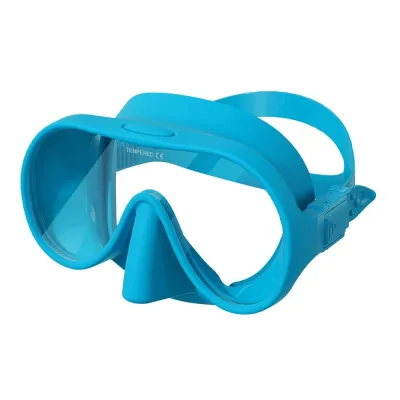
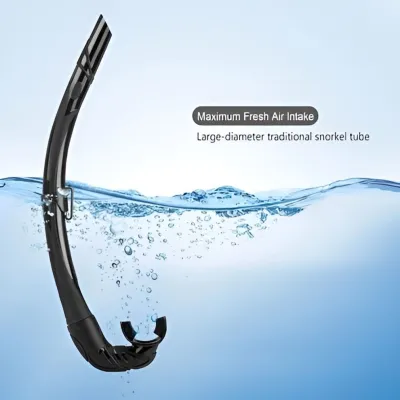
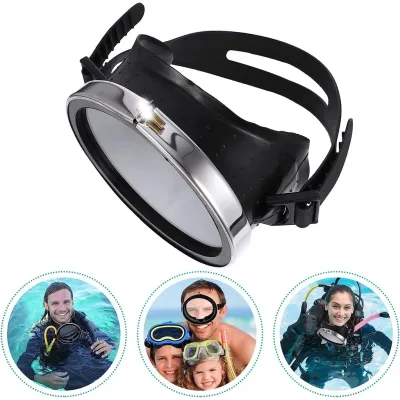
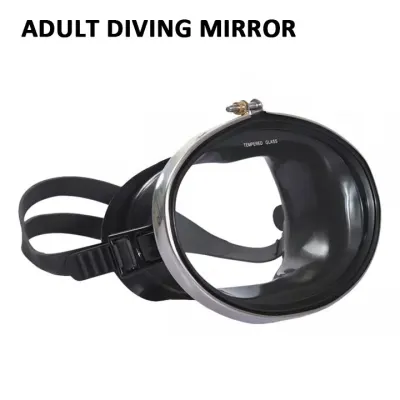
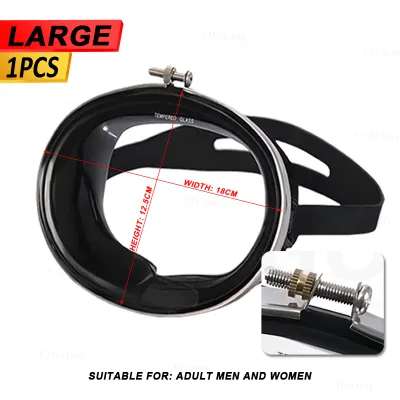
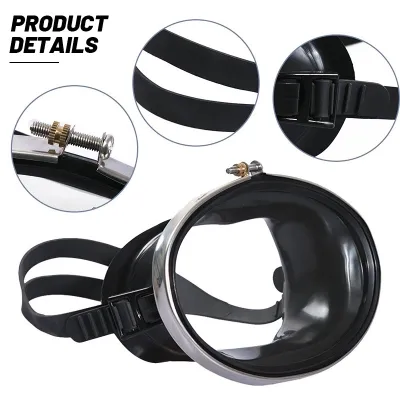
Prices are valid at publication and may change. Please refer to the product page for the latest price.
This balance of physical forces gives the glass its remarkable strength. When tempered glass does break, it releases this stored tension, causing the entire pane to crumble instantly into small, relatively dull, granular pieces. This is a stark contrast to standard glass, which shatters into large, razor-sharp shards that pose severe safety risks to a diver’s eyes and face.
This specialized material is designed to handle the physical demands of aquatic environments. Whether you are diving in calm coastal waters or navigating strong currents, a tempered lens provides a robust barrier between your eyes and the elements.
Safety and Impact Resistance Underwater
In the water, safety is paramount, especially when exploring overhead environments, navigating rocky shore entries, or climbing back onto a rolling dive boat. A diving mask is vulnerable to impacts from loose gear, boat ladders, or accidental kicks from a dive buddy. If a mask lens shatters underwater, the proximity to your eyes makes standard glass incredibly dangerous.

Tempered glass mitigates this risk by crumbling into blunt fragments that are far less likely to cause deep lacerations or penetrating eye injuries. Additionally, the tempering process allows the lens to withstand the significant pressure differentials experienced during descent. As you dive deeper, the water pressure increases, compressing the air space inside your mask.
While equalizing your mask by gently exhaling through your nose relieves this pressure, the physical strength of the tempered glass provides a vital line of defense against structural failure. Divers must always verify their mask’s specific depth and pressure ratings with the manufacturer’s guidelines, as equipment limits vary and no gear can substitute for proper dive training and situational awareness. If you ever experience a mask squeeze or structural compromise, safely terminate the dive according to your training protocols.
Optical Clarity and Underwater Visibility
Clear vision is not just about enjoying the view; it is a critical safety factor for monitoring your dive computer, reading hand signals, and navigating back to your exit point. Tempered glass offers exceptional light transmission, allowing the maximum amount of natural light to reach your eyes. This is particularly important in deeper waters or during overcast days in tropical destinations like the Philippines, where light levels drop quickly as you descend.
Unlike plastic alternatives, tempered glass does not distort light waves as they pass through the lens. This minimal optical distortion ensures that distances, sizes, and colors of marine life and underwater hazards are represented accurately. Misjudging the distance to a sharp coral head or a companion diver can lead to accidents, making visual accuracy a key safety component.
Furthermore, glass maintains its clarity over years of use, resisting the cloudiness and yellowing that often plague plastic lenses after prolonged exposure to saltwater and intense tropical sunlight. This long-term clarity ensures that your visual field remains unobstructed dive after dive.
Tempered Glass vs. Polycarbonate and Acrylic Lenses
When choosing a mask, divers often compare tempered glass with polycarbonate and acrylic lenses. Each material has distinct characteristics that suit different water activities, skill levels, and budgets.
Scratch resistance is a major differentiator. Tempered glass is highly resistant to fine scratches from sand particles, salt crystals, and rough handling. Polycarbonate and acrylic, while highly impact-resistant, scratch very easily. A single careless placement on a sandy beach or a rough boat deck can leave permanent scuffs that ruin your field of view.
Weight and buoyancy also play a role. Plastic lenses are significantly lighter than glass, making them comfortable for casual surface snorkeling or lightweight travel. However, the added weight of a tempered glass mask is rarely an issue underwater, where the mask’s volume and fit determine its comfort and seal.
In terms of durability and cost, tempered glass masks represent a higher initial investment, often ranging from ₱1,500 to ₱4,000 or more depending on the frame design and silicone quality. However, they do not degrade from UV exposure, making them far more durable over the long term. Plastic masks are cheaper upfront but often require frequent replacement due to scratching and UV degradation.
| Lens Material | Scratch Resistance | Weight | UV Resistance | Ideal Use Case |
|---|---|---|---|---|
| Tempered Glass | High | Heavy | High | Scuba diving, freediving, frequent snorkeling |
| Polycarbonate | Low | Light | Medium | Casual snorkeling, shallow pool use, travel |
| Acrylic | Low | Very Light | Low | Kids' play masks, budget swim goggles |
How to Verify and Care for Tempered Glass Lenses
To ensure you are buying a genuine tempered glass mask, look for the standard markings. Manufacturers stamp or engrave a small “T” or “Tempered” directly onto the corner of the lens. If you do not see this marking, the mask may not be safe for scuba diving or deep freediving, and you should verify its specifications before use.
Caring for your mask starts before your first dive. New masks carry a thin layer of silicone residue from the manufacturing process, which causes immediate fogging when exposed to moisture. To remove this film, apply a small dab of non-gel toothpaste or a specialized mask scrub to the dry lens, rub it gently with your finger, and rinse it thoroughly. Avoid using harsh household chemicals, abrasive sponges, or open flames, as these can damage the glass coatings or warp the silicone skirt.
Proper storage is essential to prolong the life of your mask. Always rinse your mask with fresh, clean water after every dive to remove salt, sand, and chlorine. Dry it completely in the shade before storing it in a hard, ventilated protective case. Keep it away from direct sunlight and high temperatures, which can degrade the silicone seal. If you ever notice deep chips, cracks, or a loose lens frame, stop using the mask immediately and replace it to prevent sudden failure underwater.
Frequently Asked Questions (FAQ)
Can tempered glass diving masks scratch easily?
Tempered glass is highly resistant to everyday scratches from sand and salt, but it is not scratch-proof. Contact with metal gear, dropped weights, or rough concrete boat decks can still scratch or chip the surface. Always store your mask in its protective box when not in use to prevent accidental damage.
Is tempered glass required for deep scuba diving?
Yes, tempered glass is the industry standard and practically mandatory for scuba diving due to the pressure changes involved. However, the lens material alone does not guarantee safety at extreme depths. You must check the manufacturer’s overall mask specifications, frame construction, and depth ratings, and ensure you have the proper training for deep diving.
How should I prepare a new tempered glass mask before its first use?
New masks have a thin film of silicone residue on the lens from manufacturing, which causes severe fogging. To remove it, apply a small amount of non-gel toothpaste or specialized mask scrub to the inside of the dry lens, rub it thoroughly with your finger, and rinse it off with fresh water. Repeat this process two to three times, taking care not to scratch the lens with dirt or fingernails.

Community discussion
Share your experience or ask a question. Comments are reviewed before publication.