
Securing your shelter in the diverse landscapes of the Philippines requires more than just a standard set of pegs. From the loose, volcanic sands of coastal campsites to the dense, clay-heavy soils of mountain ridges, your tent’s stability depends heavily on how its poles are anchored. A tent pole holder serves as the critical link between your tent frame and the ground, ensuring that wind, rain, and gravity do not collapse your living space. Choosing the right holder type is not just a matter of convenience; it directly impacts your safety and comfort during an outdoor excursion.
To find the ideal setup, you must evaluate three primary holder designs: ground spikes, clip-on attachments, and freestanding bases. Each type serves a distinct environmental niche and structural purpose. By matching these designs to your specific tent model, the local terrain, and expected weather conditions, you can build a reliable shelter system that withstands the elements.
Understanding Tent Pole Holder Types and Their Core Functions
Ground spikes and stakes are the traditional workhorses of outdoor anchoring. They rely on direct soil penetration to transfer the lateral and vertical forces of the tent frame into the earth. The effectiveness of a ground spike depends on its penetration depth and the shear strength of the surrounding soil. In loose soils, such as beach sand or soft forest loam, longer spikes with wider profiles are necessary to distribute the load across a larger surface area. Conversely, in hard-packed clay or rocky terrain, thin, high-tensile metal spikes are required to penetrate without bending. The physical holding power is generated by the friction between the spike’s surface and the compacted soil, meaning proper insertion depth is critical to prevent the spike from pulling out under tension.
Products mentioned in this guide
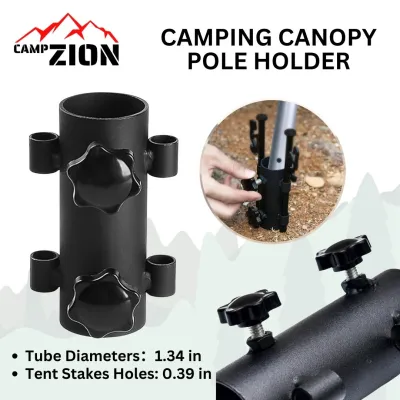
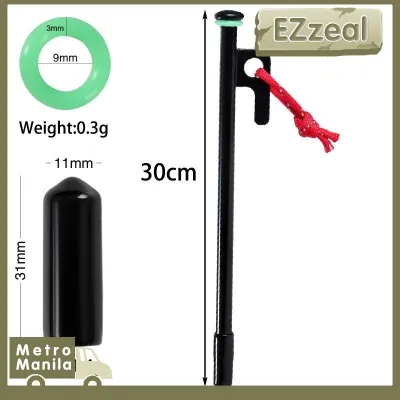
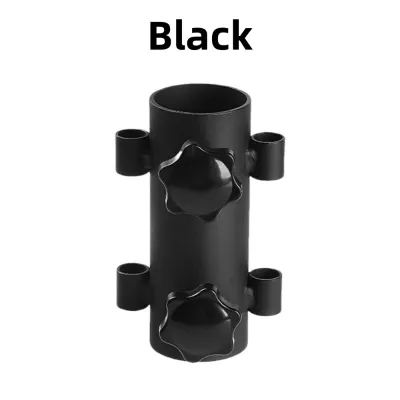
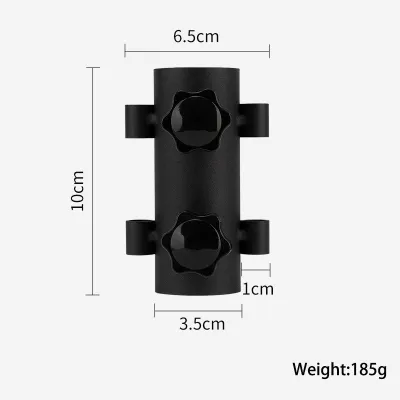
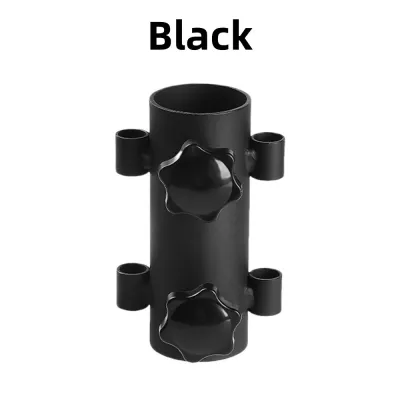
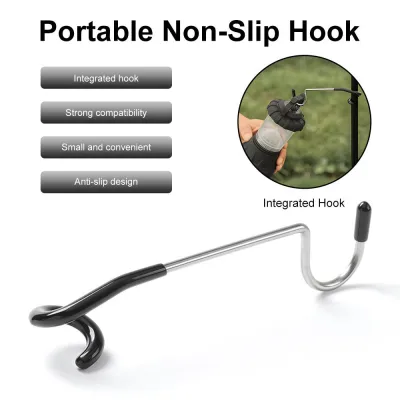
Prices are valid at publication and may change. Please refer to the product page for the latest price.
Clip-on and attachment holders do not penetrate the ground directly. Instead, they utilize mechanical clamping, snap-on clips, or strap-based systems to secure tent poles to existing structures. This could include vehicle roof racks, heavy-duty camp tables, pre-existing wooden platforms, or even nearby trees. Clip-on holders are highly valued for their versatility, allowing campers to adapt their shelters to environments where driving stakes is impossible or prohibited. The connection mechanics rely on friction, spring tension, or threaded bolts to grip the pole and the anchor point securely. Because these systems transfer the tent’s load to an external structure, the stability of the entire setup is entirely dependent on the strength and weight of that anchor point.
Freestanding bases and weighted holders are designed for flat, hard surfaces where penetration is impossible and external structures are unavailable. They typically consist of a heavy metal plate, a fillable plastic bladder, or a wide-footprint base that sits flat on the ground. The tent pole slots directly into a receiver on the base. Stability is achieved through gravity and weight distribution rather than mechanical anchoring. The wide base spreads the downward force of the tent pole over a larger area, preventing tipping. To resist lateral wind forces, these bases must either be inherently heavy or feature attachment points for sandbags, water jugs, or heavy stones. They are ideal for concrete pads, paved areas, and delicate wooden glamping decks where physical damage to the surface must be avoided.
Matching Holders to Your Tent Model and Camping Style
When trekking through high-altitude trails like Mt. Pulag or Mt. Mariveles, every gram in your pack matters. For these lightweight setups, ground spikes made of high-grade aluminum or titanium are the standard choice. They offer the best strength-to-weight ratio, ensuring your tent remains anchored against strong ridge winds without adding excessive bulk to your pack. Backpackers must prioritize compact, multi-use spikes that can double as guyline anchors. Because natural mountain terrain often features a mix of soft mud, roots, and buried rocks, carrying a small selection of different spike profiles ensures you can secure your tent regardless of the trail conditions.

If you are heading to a drive-in campsite in Laguna or Tanay with a large multi-room family tent, weight is less of a concern than structural stability. Large tents have high profiles that act like sails in the wind, placing immense stress on the pole joints. For these setups, heavy-duty steel ground spikes or robust freestanding bases are highly recommended. Freestanding bases can help stabilize the corners of large dome or tunnel tents, making it easier to pitch the massive structure on uneven grassy fields. Combining heavy-duty spikes with weighted bases provides a redundant anchoring system that keeps your family safe during sudden tropical downpours.
Pitching a tent on concrete parking lots, paved event spaces, or elevated wooden viewing decks requires a non-destructive approach. In these scenarios, clip-on holders and weighted freestanding bases are indispensable. Clip-on holders allow you to secure your tent poles directly to the railings of a wooden deck or the cargo bars of your utility vehicle. If no such structures exist, weighted bases filled with local water or gravel provide the necessary downward force to keep the tent frame tensioned. This approach ensures you can camp comfortably without violating campsite rules regarding ground disturbance or damaging expensive decking.
The tropical climate of the Philippines introduces unique challenges, particularly during the wet season (habagat). Heavy rains quickly saturate the soil, turning firm grassy fields into soft mud. In saturated conditions, standard thin spikes lose their grip and can easily pull out under the tension of a wet tent canopy. Campers should adapt by switching to wider, U-shaped snow/sand pegs or utilizing weighted freestanding bases to supplement their ground anchors. Additionally, coastal camping in areas like Zambales or Laiya exposes your gear to strong sea breezes and loose sand. Here, specialized sand stakes with deep penetration depths or heavy sandbag-weighted bases are essential to prevent your shelter from shifting overnight.
Key Selection Criteria and Pre-Purchase Checks
The high humidity and salty coastal air of the Philippines can rapidly degrade low-quality metals. When selecting tent pole holders, prioritize materials known for their corrosion resistance. Anodized aluminum, marine-grade stainless steel, and heavy-duty UV-stabilized plastics are excellent choices. Avoid untreated carbon steel, which can rust quickly when exposed to rain and salty sea breezes, leading to structural failure. Inspect the finish of the holders for any chips or scratches before purchase, as these imperfections can become focal points for rust and corrosion over time.
Not all tent poles are created equal. Before purchasing any holder, you must verify its physical compatibility with your existing tent frame. Measure the outer diameter of your tent poles using a caliper, and check the inner diameter of the holder’s receiving tube or clip. A loose fit can cause the pole to wobble, slip, or bend under tension, while a tight fit can scratch the pole’s protective coating or cause it to jam. Additionally, inspect the grommet attachment points on your tent’s footprint to ensure the holder’s pins or hooks fit securely without tearing the fabric.
Every tent structure exerts a specific amount of outward and downward tension to maintain its shape. Your chosen holders must be rated to handle these forces, especially when subjected to external wind loads. Check the manufacturer’s specifications for maximum load capacities and tension limits. If you plan to use a large, heavy canvas tent, lightweight plastic clip-ons will likely fail under the strain. Ensure the physical mass and structural design of the holder align with the overall weight and surface area of your tent.
Always cross-reference the holder manufacturer’s compatibility charts with your tent’s user manual. Some tent brands utilize proprietary pole designs, hub systems, or locking mechanisms that may not accept universal aftermarket holders. If the manufacturer does not list your specific tent model, look for adjustable holders that feature variable strap lengths, multi-sized collar inserts, or universal clamp designs. Verifying these details beforehand prevents the frustration of arriving at a remote campsite with incompatible gear.
Setup, Maintenance, and Safety Boundaries
When using ground spikes, the angle of insertion is critical to maximizing holding power. Always drive the spikes into the ground at a 45-degree angle pointing away from the tent. This orientation utilizes the shear strength of the soil to resist the pulling force of the guyline or pole. Avoid driving spikes straight down or angling them toward the tent, as this significantly increases the risk of them pulling out under tension. Ensure the spike is driven deep enough so that the attachment point is flush with the ground surface, minimizing leverage that could bend or snap the metal shaft.
Before embarking on any camping trip, conduct a thorough inspection of all your tent pole holders. Check metal components for hairline cracks, deep scratches, or signs of bending. For clip-on holders, inspect the spring mechanisms, plastic latches, and rubber padding for signs of dry rot, cracking, or loss of tension. For freestanding bases, ensure that any fillable bladders are free of leaks and that the threaded caps seal tightly. Replacing a worn or damaged holder at home is far easier and safer than dealing with a collapsed tent in the middle of a rainy night.
Tropical camping environments expose your gear to mud, sand, salt water, and organic debris. After every trip, wash your tent pole holders thoroughly with fresh water to remove all contaminants. Use a soft brush to clean out dirt from inside receiving tubes, screw threads, and clip mechanisms. Allow all components to dry completely in a shaded, well-ventilated area before storing them. Storing damp gear in a sealed container promotes mold growth and accelerates the corrosion of metal parts, reducing the lifespan of your equipment.
It is vital to recognize the physical limits of your equipment. No tent pole holder can compensate for extreme weather conditions that exceed the structural limits of your tent frame. If you experience severe tropical storms, typhoons, or wind speeds that cause your tent poles to bend excessively, immediately seek sturdier shelter. Do not attempt to reinforce failing holders with makeshift weights or excessive tension, as this can cause the poles to shatter, risking serious injury. Always prioritize personal safety over gear preservation, and consult the manufacturer if you are unsure about the safe operating limits of your setup.
Frequently Asked Questions (FAQ)
Can I use freestanding bases on uneven or sloped ground?
Freestanding bases are primarily designed for flat, level surfaces where they can distribute weight evenly. Using them on a slope significantly reduces their stability, as gravity will pull the tent’s center of mass away from the center of the base. This uneven weight distribution increases the risk of the base sliding, tipping, or shifting under the tension of the tent frame. If you must camp on a slight incline, ensure the base is placed on a stabilized, level platform, or secure it with additional heavy anchors on the downhill side. If the slope is steep or the ground is highly uneven, it is safer to switch to adjustable ground spikes or seek a flatter campsite to prevent structural failure.
How do I determine the correct clip-on size for my tent poles?
To find the correct clip-on size, you must accurately measure the outer diameter of your tent poles. Use a digital caliper or a flexible measuring tape wrapped around the pole to find the circumference, then divide by 3.14 (pi) to calculate the diameter. Compare this measurement with the manufacturer’s specified range for the clip-on holder. Rigid plastic clips must match the pole diameter exactly to prevent slipping or crushing the pole. If your poles fall between standard sizes, look for adjustable strap-based holders or tension mounts that feature rubberized inserts. Using a mismatched clip can scratch the pole’s protective anodized coating, leading to premature corrosion, or cause the clip to snap under tension.

Community discussion
Share your experience or ask a question. Comments are reviewed before publication.