
Camping in the Philippines during the wet and typhoon seasons presents a unique set of environmental challenges. Sudden tropical depressions can bring torrential downpours, while the persistent high humidity makes condensation a constant battle. To stay dry and safe, standard tents designed for dry, temperate climates are rarely sufficient. Choosing the right tents for camping in these demanding conditions requires a close look at specific technical features, material compositions, and structural designs that can handle both heavy water ingress and high wind loads.
Evaluating Waterproof Ratings and Rainfly Coverage
When evaluating tents for camping in wet weather, the hydrostatic head (HH) rating is your primary indicator of fabric water resistance. This rating, measured in millimeters, represents the height of a water column the fabric can support before moisture begins to penetrate. For the intense downpours common in tropical climates, a rainfly rating of at least 2,000mm is highly recommended, while ratings of 3,000mm or higher offer an extra margin of safety during prolonged storms. Always verify these specifications on the manufacturer’s label or product sheet before purchasing.
The design of the rainfly is just as critical as its waterproof rating. A partial or cap rainfly, which only covers the top portion of the tent, leaves the lower walls exposed to wind-driven rain. For tropical wet seasons, a full-coverage rainfly that extends all the way to the ground is essential. This creates a protective outer shell that channels water away from the inner tent body, preventing lateral rain from splashing through mesh panels.
Products mentioned in this guide
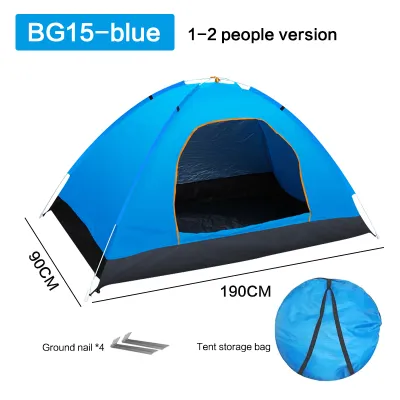
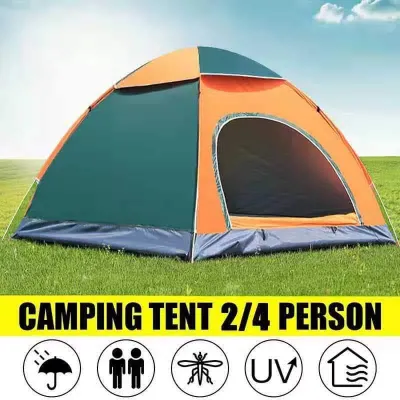

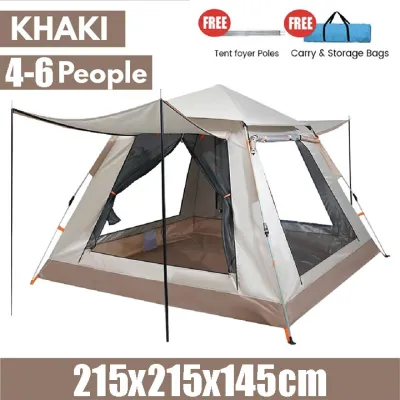
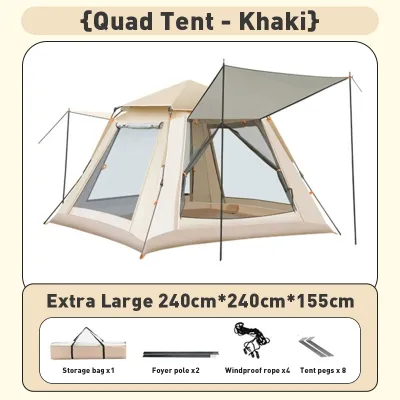
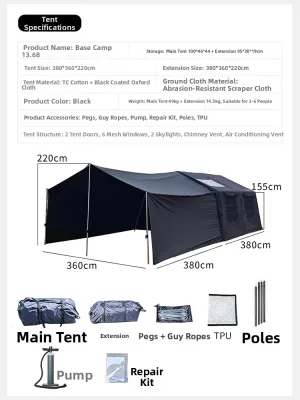
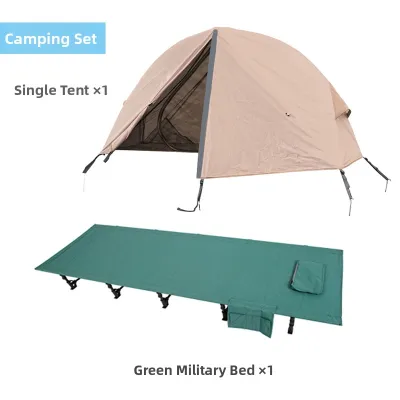
Prices are valid at publication and may change. Please refer to the product page for the latest price.
Even the most waterproof fabric will fail if the seams are unprotected. Water easily penetrates the tiny needle holes created during the sewing process. When inspecting a tent, verify that all critical seams—especially along the roofline, corners, and floor joints—are factory-taped. This involves a clear, waterproof polyurethane tape hot-pressed over the seams on the inside of the rainfly. Additionally, look for storm flaps that cover the zippers, as wind can easily force water through zipper teeth.
Managing Humidity With Ventilation and Mesh Design
In the warm, humid climate of the Philippines, managing internal moisture is just as important as keeping rain out. When you sleep, your breath releases moisture into the air. If this warm, humid air cannot escape, it hits the cooler rainfly fabric and condenses into water droplets, creating an internal rain that dampens your sleeping bag and gear.

To combat condensation, a dual-layer tent design is highly effective. This setup features an inner tent body made largely of breathable mesh and a separate, waterproof outer rainfly. The gap between the two layers allows air to circulate freely, carrying warm, moist air away from the sleeping area before it can condense on the inner walls.
Look for tents with strategic vent placements that promote active cross-ventilation. High vents near the peak of the rainfly allow rising warm air to escape, while low vents near the floor draw in cooler air. Some designs feature adjustable vents that can be propped open with small stiffeners even during heavy rain, ensuring continuous airflow without compromising waterproof protection. Balancing this need for ventilation with complete weather sealing is a key trade-off to consider when selecting your shelter.
Selecting Bathtub Floors and Groundsheet Protection
Ground moisture and surface runoff pose a significant threat to your comfort during heavy downpours. A bathtub floor design is a non-negotiable feature for wet-weather camping. In this design, the highly waterproof floor material extends several inches up the sides of the tent walls before meeting the lighter wall fabric. This elevates the seams well above the ground level, preventing pooled water or muddy runoff from seeping through the stitching.
Because your body weight exerts direct pressure on the tent floor when you sit, kneel, or sleep, the floor requires a much higher hydrostatic head rating than the rainfly. While a rainfly might perform well at 2,000mm, a high-quality tent floor should ideally feature a rating of 3,000mm to 5,000mm. This extra resistance prevents water from being forced through the fabric weave by localized physical pressure.
To protect this critical barrier, always use a separate footprint or groundsheet underneath your tent. A footprint acts as a sacrificial layer, shielding the thin tent floor from sharp rocks, twigs, and abrasive soil that can cause micro-punctures. Ensure the footprint is slightly smaller than the tent floor itself; if it projects beyond the edges, it will collect rainwater and funnel it directly underneath your tent, defeating its purpose.
Checking Pole Structures for Wind and Storm Stability
Typhoon season brings unpredictable, gusty winds that can easily collapse or damage poorly structured tents. The material of the tent poles plays a major role in how well the shelter holds its shape. Aluminum poles (typically designated as 7001 or 7075 alloy) are highly recommended for stormy conditions. They offer an excellent strength-to-weight ratio and can flex significantly under wind pressure without snapping, returning to their original shape once the gust passes.
In contrast, budget-friendly fiberglass poles are heavier, less flexible, and prone to splintering under sudden, intense loads. A shattered fiberglass pole can easily pierce the tent fabric, ruining your shelter in the middle of a storm. When evaluating the frame, also look at the pole geometry. Geodesic or semi-geodesic designs, where the poles cross over each other at multiple points, distribute wind loads much more evenly across the entire structure than simple two-pole dome designs.
A sturdy frame still requires secure anchoring to remain stable. Verify that the tent includes multiple guyout points—reinforced loops on the rainfly where you can attach tensioned cords (guylines). Securing these lines to heavy-duty stakes anchored firmly in the ground prevents the tent from swaying or collapsing. Because tropical rain quickly saturates and softens the soil, standard thin steel pegs may slip out easily; consider upgrading to wider, aluminum Y-beam or V-angle stakes that provide superior holding power in wet mud.
Drying and Storing Your Tent in Humid Conditions
The high relative humidity in the Philippines makes proper post-trip maintenance essential for preserving your gear. Storing a tent while it is even slightly damp will trigger the growth of mold and mildew within 24 to 48 hours. Mildew not only produces a persistent, musty odor but also chemically degrades the polyurethane waterproof coatings and causes seam tape to peel away.
Once you return from a wet camping trip, set up the tent in a shaded, well-ventilated outdoor area or a dry indoor space as soon as possible. Allow all components—the inner tent, rainfly, footprint, and storage sacks—to air-dry completely. Avoid leaving the tent in direct, intense sunlight for extended periods, as ultraviolet (UV) radiation can weaken synthetic fabrics and degrade waterproof coatings over time.
Before packing the tent away, gently wipe down any mud, sand, or organic debris using a soft sponge and clean, lukewarm water. Avoid harsh household detergents or washing machines, which can strip away factory-applied durable water repellent (DWR) finishes. If you notice signs of advanced wear, such as peeling seam tape, sticky fabric (a sign of polyurethane hydrolysis), or persistent leaks, consult the manufacturer’s guidelines for specialized repair products or seek professional gear repair services rather than attempting complex structural alterations yourself.
Frequently Asked Questions (FAQ)
Can I use a standard summer tent for the rainy season?
Using a standard summer tent during the rainy or typhoon season carries significant risks. These models often feature partial rainflies and extensive mesh panels designed primarily for maximum airflow in dry, warm weather. In a heavy tropical downpour accompanied by strong winds, rain can easily blow sideways under the short rainfly and penetrate the inner mesh. Additionally, their lighter pole structures may buckle under storm-force winds. While a summer tent might suffice for highly sheltered campsites or covered platforms, it is not recommended for open, exposed wilderness camping during the wet season.
How do I test a tent's waterproofing before a trip?
Testing your tent in a controlled environment before heading into the field is an excellent way to ensure your gear is ready. Set up the tent fully in your yard or a safe outdoor space, ensuring the rainfly is properly tensioned. Use a garden hose with a spray nozzle to simulate a steady rainfall over the entire structure for 10 to 15 minutes. Afterward, inspect the interior thoroughly, checking the corners, floor seams, zipper lines, and the underside of the rainfly for any signs of water ingress or dampness. This simple check allows you to identify and address minor leaks or peeling seam tape before you are exposed to actual wilderness storms.

Community discussion
Share your experience or ask a question. Comments are reviewed before publication.