
Finding the right nonslip yoga mat is one of the most critical decisions you will make for your practice, especially when navigating a humid, tropical climate. A mat that slips during a downward dog not only disrupts your mental focus but can also lead to joint strain. While many mats claim to offer the ultimate grip, the reality is that nonslip performance is not a one-size-fits-all specification. The ideal material for your practice depends heavily on your personal sweat level, the style of yoga you practice, how you transport your gear, and your budget.
To find your perfect match, you must compare the three dominant materials on the market: Thermoplastic Elastomer (TPE), Natural Rubber, and Polyvinyl Chloride (PVC). If you need an immediate guide: natural rubber offers the highest wet grip for sweaty, high-intensity sessions but comes with a premium price tag and heavier weight; TPE provides a lightweight, moderately priced, and latex-free alternative with excellent dry traction; while PVC stands as the most durable, budget-friendly option, though it requires a break-in period and relies entirely on surface texture rather than material absorption. Understanding how these materials interact with moisture, heat, and wear will help you make an informed investment.
Material Baselines: What to Expect from TPE, Rubber, and PVC
Thermoplastic Elastomer, commonly known as TPE, is a synthetic blend of plastic and rubber polymers. This material has gained immense popularity because it is incredibly lightweight and typically features a closed-cell structure. This means it does not absorb moisture, making it easy to wipe clean after a humid studio session. TPE mats are usually manufactured with textured surfaces to provide traction, and they sit comfortably in the mid-range price tier, offering a balanced entry point for practitioners who want a step up from basic utility mats.
Products mentioned in this guide
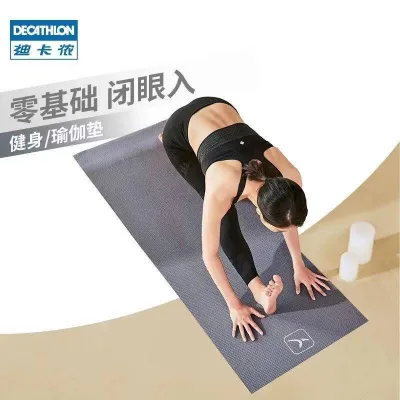
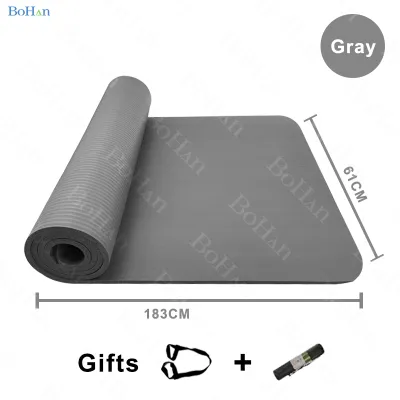
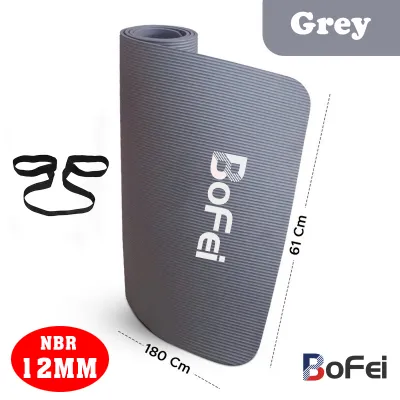
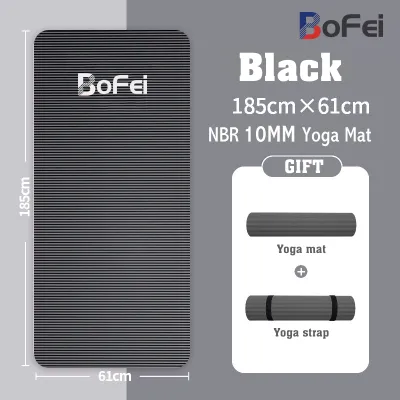

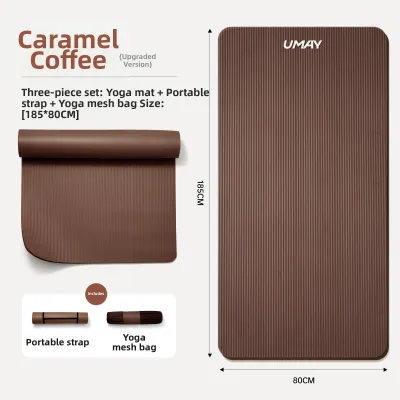
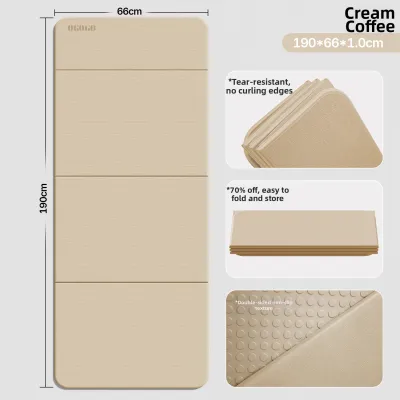
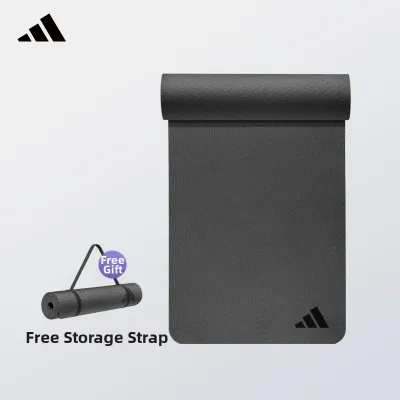
Prices are valid at publication and may change. Please refer to the product page for the latest price.
Natural rubber mats are harvested from rubber trees, making them a highly sought-after option for environmentally conscious yogis. Physically, natural rubber is characterized by an open-cell structure, which acts like a sponge to draw moisture away from the surface. This material is naturally dense, heavy, and highly elastic, providing superb natural cushioning for joints. However, because of the premium sourcing and manufacturing processes involved, natural rubber mats sit at the top of the pricing spectrum and require more careful maintenance to prevent degradation.
Polyvinyl Chloride, or PVC, is the traditional material used in the yoga industry and remains a staple in many commercial studios. PVC is a highly durable, synthetic plastic that features a closed-cell construction. It is exceptionally resistant to tearing, flaking, and general wear, making it the most long-lasting material available. Because it is inexpensive to produce, PVC mats are highly budget-friendly. However, because the material itself is naturally slick, PVC mats must rely entirely on deep, manufactured surface textures to provide grip, and they do not absorb sweat.
Matching Grip Performance to Your Practice Style and Sweat Level
The fundamental difference in how these materials handle grip lies in their cell structure, which directly dictates how they perform under dry versus wet conditions. Open-cell materials, like natural rubber, excel at wet grip. When you sweat during a vigorous Vinyasa flow or a hot yoga session in a non-air-conditioned room, the open pores of a rubber mat absorb the moisture instantly. This prevents water from pooling on the surface, keeping your hands and feet firmly planted. However, this absorption means that sweat, oils, and bacteria are drawn into the mat, requiring regular deep cleaning to maintain hygiene.

In contrast, closed-cell materials like TPE and PVC do not absorb moisture at all. During a dry, low-intensity Yin or restorative practice, a closed-cell mat can feel incredibly secure because your skin makes direct contact with the dry material. But once you begin to sweat, moisture pools on top of the closed-cell surface, creating a slippery barrier between your skin and the mat. If your practice involves high-humidity environments or heavy perspiration, a smooth closed-cell mat can quickly turn into a slide, increasing the risk of slipping.
To compensate for this lack of natural absorption, manufacturers design TPE and PVC mats with intricate surface textures, such as pebbled, ribbed, or leaf-like patterns. These physical ridges help mechanically trap your hands and feet, providing traction even when the material itself cannot absorb moisture. If you prefer a slower, alignment-focused practice where you do not sweat heavily, these textured closed-cell mats offer excellent stability and are much easier to sanitize. However, if your routine is fast-paced and sweaty, you will likely find that no amount of surface texture can match the natural, high-friction wet grip of an open-cell rubber mat.
Long-Term Grip: Durability and Maintenance Requirements
A mat’s grip is not static; it changes over time based on how you clean, store, and use it. Natural rubber, being an organic material, is highly sensitive to environmental factors. It undergoes natural oxidation when exposed to air and light, which gradually dries out the rubber and causes it to lose its supple, high-grip texture. Cleaning a rubber mat requires gentle, specialized solutions—harsh chemical cleaners, alcohol, or essential oils can rapidly degrade the natural fibers, leaving the surface brittle, flaky, and slick.
TPE mats are also sensitive to extreme conditions, particularly the high heat and intense sunlight common in tropical climates. Leaving a TPE mat in the trunk of a hot car or hanging it to dry in direct sunlight can warp the material and melt the delicate textured patterns that provide its grip. Because TPE is softer than PVC, it is also more prone to surface abrasion from repetitive, high-impact movements, which can wear down the traction zones under your hands and feet over several months of daily use.
PVC stands as the undisputed champion of durability. It is virtually impervious to moisture, UV light, and aggressive cleaning agents, allowing you to sanitize it with standard household disinfectants without worrying about material breakdown. A high-quality PVC mat can last for years, even decades, without losing its structural integrity. However, new PVC mats often come with a thin, slippery factory film left over from the manufacturing process. This film must be broken in through regular use or a gentle scrub with coarse salt and water before the mat reaches its optimal grip potential.
Balancing Portability, Budget, and Material Constraints
While grip is paramount, practical daily logistics can heavily influence which mat is truly best for you. Natural rubber mats are notoriously heavy, often weighing between two to three kilograms. If you regularly commute via public transport, walk long distances, or carry your gear across a university campus, hauling a heavy rubber mat can quickly become a chore. TPE and PVC mats, on the other hand, are incredibly lightweight—often weighing less than one kilogram—making them highly portable and easy to slip into a carrying strap or backpack.
Budget is another major deciding factor, especially when navigating the local market. Entry-level PVC mats are highly accessible, often priced under ₱1,000 on local ecommerce platforms, making them excellent for beginners who are still exploring their commitment to the practice. TPE mats generally occupy the mid-tier range, typically costing between ₱1,000 and ₱3,000, offering a solid balance of performance, eco-friendliness, and affordability. Natural rubber mats represent a premium investment, frequently priced above ₱3,000, which is best suited for dedicated practitioners who view their mat as a long-term tool.
Finally, physical health and environmental values must be factored into your choice. Natural rubber contains latex proteins, which can trigger allergic reactions in sensitive individuals; if you have a known latex allergy, rubber mats must be avoided entirely. TPE serves as an excellent, hypoallergenic, and recyclable alternative that does not off-gas harsh chemical odors. While PVC is highly durable, it is a petroleum-based plastic that is difficult to recycle and may release a strong synthetic smell when first unrolled, requiring a few days of airing out in a well-ventilated room.
Decision Framework: Choosing Your Ideal Nonslip Mat
To finalize your decision, evaluate your personal priorities against this structured framework:
- Choose Natural Rubber if: You practice hot yoga, Vinyasa, or power flows where heavy sweating is guaranteed. You prioritize an immediate, high-performance wet grip, prefer eco-friendly materials, and do not mind carrying a heavier mat or paying a premium price.
- Choose TPE if: You want a highly portable, lightweight mat for daily commuting. You prefer a soft, cushioned feel for restorative or Yin yoga, have a latex allergy, and want a mid-priced, recyclable option with reliable dry grip.
- Choose PVC if: You are on a strict budget, want a mat that will last for years of rugged use, and do not mind a break-in period. This is ideal if you primarily practice dry styles of yoga and want a low-maintenance mat that is easy to sanitize.
- Verify first if: You have any skin sensitivities or latex allergies before purchasing a natural rubber mat. Additionally, check your local studio's guidelines, as some facilities have specific rules regarding mat thickness or material shedding during high-intensity classes.
Frequently Asked Questions (FAQ)
Does a thicker yoga mat provide better grip?
No, mat thickness does not directly influence surface traction. The thickness of a mat—typically ranging from 1.5 millimeters for travel mats to 6 millimeters for extra cushioning—primarily affects joint comfort, shock absorption, and balance stability. A thicker mat can make standing balance poses more challenging by reducing your connection to the solid floor, but the actual grip is determined entirely by the material composition (such as open-cell rubber versus closed-cell PVC) and the manufactured surface texture.
How can I improve the grip on a closed-cell mat during sweaty sessions?
If you experience slipping on a closed-cell TPE or PVC mat due to sweat, the most effective solution is to layer a specialized microfiber yoga towel over your mat. These towels are designed to grip the mat’s surface while absorbing moisture, actually increasing their traction as they get damp. For a brand-new PVC mat that feels slick out of the box, you can accelerate the break-in process by sprinkling the surface with coarse sea salt, wiping it down with a damp, warm cloth, and letting it air dry completely in a shaded area to strip away the factory film.

Community discussion
Share your experience or ask a question. Comments are reviewed before publication.