
Choosing the right workout floor mat is not about finding a single, universally superior material. Instead, it requires matching a mat’s physical properties to your specific exercise routine, body weight, training venue, and local climate. In warm, humid environments like the Philippines, factors such as sweat resistance, wet traction, and material degradation under heat play a critical role in your decision. TPE, NBR, and PVC each offer distinct trade-offs: TPE provides an eco-conscious, balanced grip; NBR offers thick, pillowy comfort for floor-based recovery; and PVC delivers unmatched, heavy-duty durability for high-intensity training.
To avoid joint strain, slipping hazards, or premature equipment failure, you must evaluate how these materials behave under load and moisture. A mat that excels at cushioning your spine during Pilates may slide dangerously during a high-intensity interval training (HIIT) session or compress too much under heavy dumbbells. By understanding the structural differences of these three common materials, you can select a workout floor mat that supports your fitness goals and withstands your daily training environment.
Understanding TPE, NBR, and PVC Mat Materials
Thermoplastic Elastomer (TPE) is a synthetic blend of plastic and rubber polymers. This material has gained popularity because it is lightweight, hypoallergenic, and often manufactured using non-toxic, recyclable processes. Structurally, TPE typically features a closed-cell design, meaning it does not absorb moisture, sweat, or bacteria. This makes it highly hygienic and easy to clean in humid climates. It offers a balanced profile, providing moderate cushioning alongside a naturally textured, rubber-like grip that feels secure under barefoot conditions.
Products mentioned in this guide
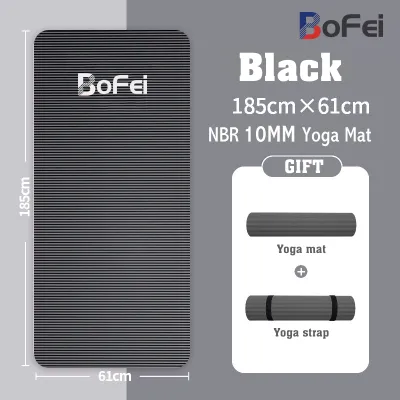
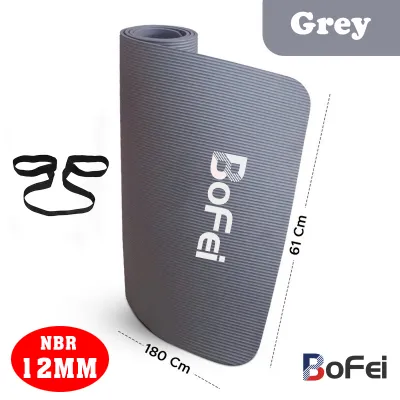
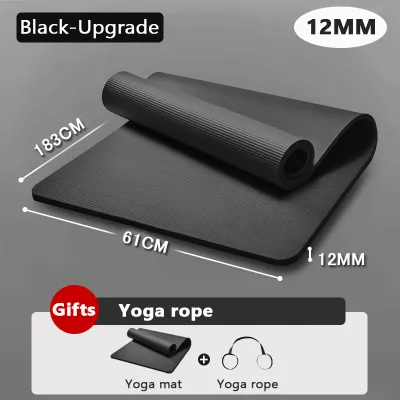
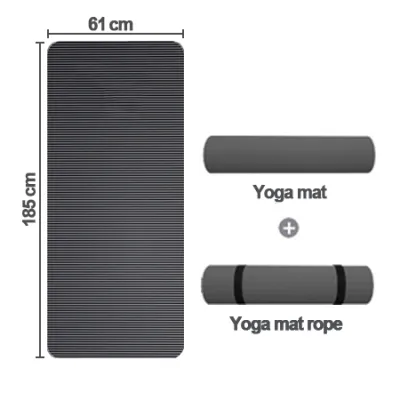
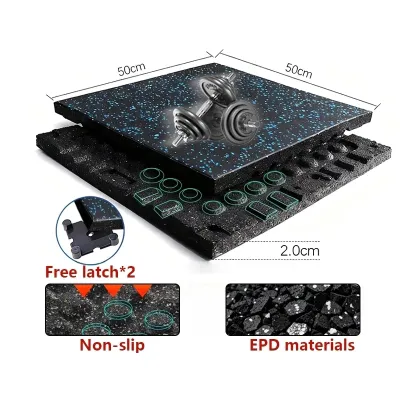
Prices are valid at publication and may change. Please refer to the product page for the latest price.
Nitrile Butadiene Rubber (NBR) is a highly elastic synthetic rubber known for its soft, sponge-like texture. NBR mats are typically manufactured in much thicker profiles, often ranging from 10mm to 15mm. This thickness, combined with the material’s natural elasticity, provides exceptional shock absorption and a plush feel underfoot. However, NBR is often open-cell or semi-closed-cell, which can allow it to absorb sweat and moisture if not properly sealed. It is highly favored for gentle, low-impact floor exercises where comfort is the primary priority.
Polyvinyl Chloride (PVC) is a traditional, petroleum-based plastic material that has served as the industry standard for fitness mats for decades. PVC mats are incredibly dense, tough, and resistant to tearing, stretching, and surface abrasion. They feature a closed-cell structure that completely blocks moisture absorption, making them highly resistant to sweat and easy to sanitize. While raw PVC can feel slick out of the box, high-quality PVC mats develop a reliable grip over time and are highly valued for their extreme durability under heavy, shoe-based workouts.
Comparing Grip, Cushioning, and Durability
Evaluating how these materials perform across key functional dimensions is essential for ensuring workout safety and comfort. Grip, cushioning, and durability are highly dependent on the material’s density and cell structure, especially when subjected to sweat and repetitive movement.

Grip and Slip Resistance
Traction is your primary safety defense during dynamic movements. TPE offers excellent dry grip, providing a tactile, high-friction surface that prevents hands and feet from sliding during barefoot exercises. However, in high-humidity settings or during heavy sweating, TPE can lose some traction unless it features a deeply textured surface pattern.
NBR provides moderate dry grip, but its soft, squishy surface can cause your hands to slide outward during weight-bearing poses like a downward dog, as the material stretches under lateral pressure. PVC offers a baseline grip that actually improves as the mat is “broken in” through use. While a cheap, smooth PVC mat can become incredibly slick when wet with sweat, premium textured PVC mats maintain reliable traction, though they are often best paired with a microfiber towel during high-sweat sessions.
Cushioning and Stability
Cushioning protects your joints from hard subfloors, but excessive softness compromises your balance. NBR is the undisputed leader in pure thickness and soft impact absorption. It is ideal for protecting sensitive knees, elbows, and hips during floor-based routines. However, this plushness makes NBR highly unstable for standing balance poses or dynamic lateral movements, as your feet sink into the material.
TPE strikes a functional middle ground, offering responsive cushioning. It compresses slightly to protect your joints but immediately springs back, providing a stable, firm foundation for standing exercises. PVC is thin and highly dense, offering minimal impact absorption but maximum stability. It keeps you firmly connected to the solid floor, which is crucial for maintaining proper alignment and balance.
Durability and Wear Resistance
Durability determines how well your mat resists tearing, flaking, and permanent indentation (compression set). PVC is the most durable of the three materials. It easily withstands the friction of athletic shoes, heavy dropping forces, and outdoor use without tearing or flaking.
TPE is moderately durable but is prone to surface wear, scratching, and tearing if subjected to rough shoe soles or sharp objects. It is best reserved for barefoot or stocking-foot exercises. NBR is the most delicate material; it stretches easily under tension, can be punctured by fingernails or shoe treads, and often retains permanent indentations if heavy equipment is left resting on its surface.
| Material | Grip (Dry vs. Sweaty) | Cushioning & Support | Durability & Wear | Ideal Use Case |
|---|---|---|---|---|
| TPE | High / Moderate | Moderate & Responsive | Moderate (Barefoot only) | Yoga, Pilates, core floor work |
| NBR | Moderate / Low | High & Soft (Squishy) | Low (Prone to tearing) | Physical therapy, stretching, gentle floor exercises |
| PVC | Moderate / Low (unless textured) | Low & Firm (Dense) | High (Shoe-resistant) | HIIT, aerobics, jump rope, light weight training |
Matching the Material to Your Specific Workouts
To get the most out of your workout floor mat, you must match its physical characteristics to the specific demands of your training style. No single mat can safely or comfortably accommodate every type of exercise.
Low-Impact and Floor-Based Routines
If your routine consists primarily of yoga, Pilates, or gentle stretching, your primary needs are reliable grip and comfortable, responsive cushioning. TPE is highly suited for these barefoot activities. Its closed-cell structure prevents the mat from absorbing sweat during humid home sessions, and its responsive density protects your spine and knees during floor work without causing you to wobble during standing balance poses. For restorative practices or physical therapy where you remain on the floor and require maximum joint padding, a thick NBR mat is an excellent alternative, provided you do not require standing stability.
High-Impact and Dynamic Movements
For high-intensity interval training (HIIT), aerobics, or jump rope sessions, you need a mat that can withstand aggressive footwork and absorb rapid impacts without sliding across the floor. PVC is the standard choice for these demanding routines. A dense PVC mat will not tear or stretch when you perform lateral lunges, mountain climbers, or burpees with athletic shoes. Because PVC does not absorb moisture, you can easily wipe away sweat after a high-intensity session, preventing the buildup of odors and bacteria.
Strength Training and Stability Work
Strength training requires a completely stable, non-compressible base to ensure safety and proper joint alignment. When lifting weights, standing on a soft, squishy surface like NBR is dangerous because it destabilizes your ankles and knees, increasing the risk of joint rolls or loss of balance. For bodyweight strength training or light dumbbell work, a thin, high-density PVC mat or dedicated rubber flooring is essential. These materials do not compress under load, ensuring your feet remain flat, stable, and securely connected to the ground.
What to Verify on the Product Label Before Buying
Before purchasing a workout floor mat, look past the marketing claims and carefully verify the technical specifications and care instructions printed on the product label or manufacturer’s packaging.
- Verify Thickness and Density: Do not assume that a thicker mat is automatically more supportive. Check the label for density ratings or material weight. A 6mm high-density TPE mat will often provide better joint protection and stability than a cheap 10mm low-density NBR mat that bottoms out completely under your body weight.
- Check Intended Use and Shoe Compatibility: Read the manufacturer's guidelines regarding footwear. Many TPE and NBR mats explicitly state "barefoot use only" or "not suitable for athletic shoes." Using shoes on these mats will quickly destroy the surface and void any structural warranties. If you plan to train with shoes, verify that the label explicitly rates the mat for shoe-based or high-impact training.
- Review Care and Storage Requirements: In tropical climates, heat and humidity can accelerate material degradation. Check the label for cleaning restrictions. Some mats can be damaged by alcohol-based sanitizers or essential oils. Additionally, verify storage instructions; TPE mats should never be left in direct sunlight or stored in hot vehicles, as extreme heat can warp the material and ruin its structural integrity.
Frequently Asked Questions (FAQ)
Is a thicker NBR mat always better for joint protection?
No. While a thick NBR mat (10mm to 15mm) feels incredibly soft and comfortable when you are lying down, its low density means it compresses easily under concentrated pressure. When you place all your weight on a single knee, elbow, or wrist, the material can compress completely, causing you to bottom out against the hard floor beneath. Furthermore, this squishy, unstable surface compromises ankle and knee stability during standing exercises, which can increase the risk of joint strains. For effective joint protection that preserves balance, a medium-thickness (6mm), high-density TPE or rubber mat is generally superior.
How do I clean and maintain a TPE or PVC workout mat?
Always check the manufacturer’s label first, as harsh chemicals can strip the grip from PVC or dissolve the polymers in TPE. A safe, low-risk cleaning method is to wipe the mat down after every workout using a soft cloth dampened with water and a few drops of mild dish soap. Avoid using bleach, highly concentrated alcohol, or abrasive scrubbing pads. Hang the mat to air dry completely in a shaded, well-ventilated indoor area before rolling it up. Never leave your mat in direct sunlight or inside a hot car, as UV rays and extreme heat will cause TPE to warp and PVC to crack.
Can I use the same mat for both yoga and heavy weightlifting?
Using a single mat for both activities is highly discouraged due to conflicting physical requirements. Yoga requires a clean, high-traction, slightly cushioned surface for bare hands and feet to prevent slipping. Weightlifting requires an ultra-dense, non-compressible, shoe-resistant surface to ensure maximum stability and safety under heavy loads. Heavy dumbbells, kettlebells, and athletic shoes will quickly tear, stretch, or permanently indent a yoga mat. To protect your equipment and ensure your safety, use a dedicated high-density PVC mat or rubber tiles for weight training, and keep a separate TPE mat reserved exclusively for barefoot yoga.

Community discussion
Share your experience or ask a question. Comments are reviewed before publication.