
Selecting the right yoga mat is one of the most important decisions you will make for your practice. The material of your mat determines its grip, cushioning, durability, and weight, directly affecting how safe and supported you feel during transitions and holds. In a warm and humid tropical climate like the Philippines, where sweat and moisture are constant factors, choosing a material that aligns with your body’s needs and your practice environment is essential for maintaining stability.
The four most common materials on the market today are Thermoplastic Elastomer (TPE), Polyvinyl Chloride (PVC), natural rubber, and cork. Each material offers a distinct balance of physical properties, environmental impacts, and price points. By understanding how these materials perform under different conditions, you can make an informed choice that enhances your yoga journey while respecting your budget and personal values.
Understanding the Baseline Traits of TPE, PVC, Rubber, and Cork
To choose the right mat, you must first understand the physical and structural differences between synthetic polymers and natural materials. Synthetic options like PVC and TPE are engineered for specific performance traits, while natural rubber and cork leverage organic structures to provide support and traction. These material compositions dictate the weight, thickness, and overall feel of the mat under your hands and feet.
Products mentioned in this guide
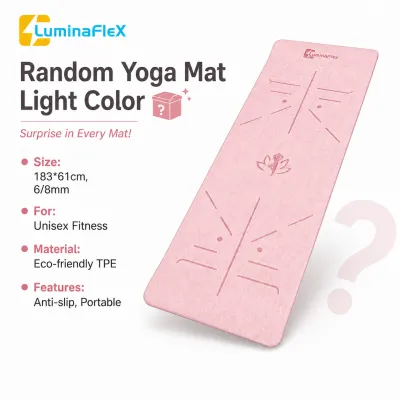
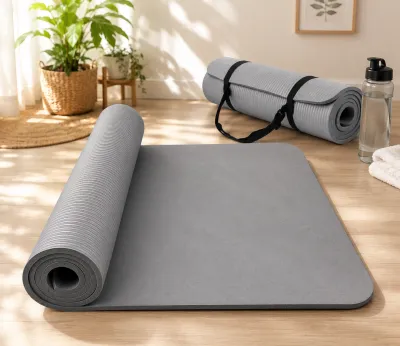
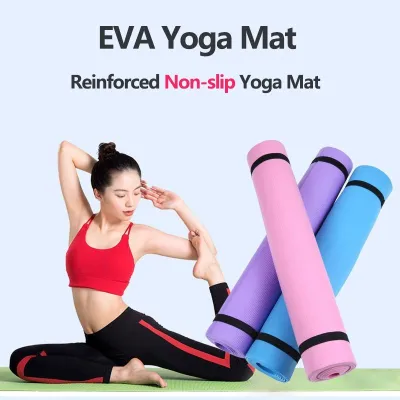
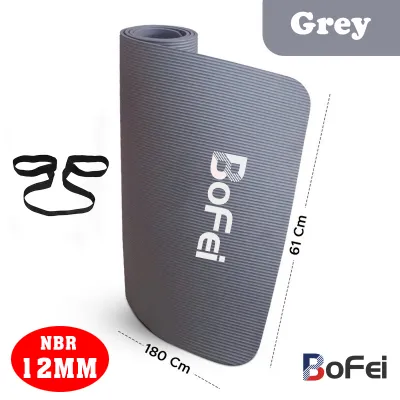
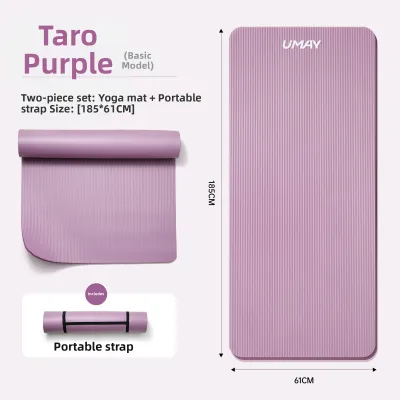

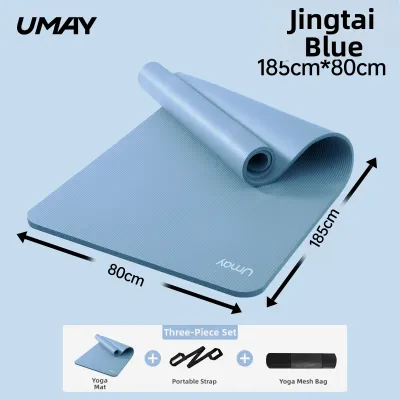
Prices are valid at publication and may change. Please refer to the product page for the latest price.
Polyvinyl Chloride (PVC) is the traditional standard for yoga mats, known for its dense, heavy, and closed-cell structure. PVC mats typically range from 3mm to 6mm in thickness and feel firm and highly supportive. Because the material is highly compressed, a standard 6mm PVC mat can feel quite heavy, making it highly stable on the floor but less convenient for daily commuting.
Thermoplastic Elastomer (TPE) is a modern synthetic blend of plastic and rubber polymers. TPE mats are characterized by their incredibly lightweight, closed-cell construction, making them easy to carry to and from the studio. They are typically manufactured in thicker profiles, ranging from 4mm to 8mm, offering a soft, spongy feel that compresses easily under pressure.
Natural rubber mats are harvested from rubber trees, resulting in a highly dense, heavy, and open-cell structure. These mats generally range from 1.5mm travel versions to 5mm standard studio models. They feel solid, grounded, and substantial, providing a firm foundation that does not slip or slide on the floor, though their weight can be a drawback for mobile practitioners.
Cork mats feature a dual-layer design, combining a natural cork top surface with a supportive backing material, which is typically made of TPE or natural rubber. Cork mats usually range from 4mm to 6mm in thickness. The surface feels smooth, warm, and earthy, offering a firm and stable platform that does not compress as easily as TPE but feels less rigid than dense PVC.
Evaluating Grip, Cushioning, and Durability for Your Practice
A mat’s performance during movement depends heavily on how its material handles moisture, absorbs impact, and resists wear over time. Grip is particularly critical; a slippery mat can lead to joint strain or accidental falls, especially during dynamic transitions. Understanding how each material behaves under dry and wet conditions will help you maintain proper alignment and focus.

PVC mats offer exceptional dry grip once they are broken in, but their closed-cell surface does not absorb moisture. In a humid environment or during a sweaty session, sweat can pool on the surface, causing you to slide. To maintain traction on a PVC mat during intense practices, you will likely need to pair it with a microfiber yoga towel.
TPE mats provide a textured, slip-resistant surface that works well under dry conditions. However, because TPE is also a closed-cell material, it can lose traction quickly when exposed to heavy sweat. The moisture sits on top of the mat, creating a slick barrier that can make balancing poses challenging if you do not wipe the surface frequently.
Natural rubber is highly regarded for its superior grip in both dry and wet conditions. Its open-cell structure naturally draws moisture away from the surface, allowing your hands and feet to maintain a secure hold even during vigorous, sweaty sessions. The trade-off is that this open-cell design absorbs sweat, body oils, and dust, requiring more diligent cleaning to prevent hygiene issues.
Cork offers a unique grip profile that actually improves as it gets wet. Cork contains a natural, waxy substance called suberin, which becomes grippier when exposed to moisture. This makes cork mats highly effective for hot yoga or sweaty practices, as you do not need a towel to maintain your grip; a light misting of water before your practice can even help lock your hands in place.
In terms of cushioning, dense materials like natural rubber and PVC provide excellent joint protection by absorbing impact without bottoming out. TPE offers plush comfort for gentle floor work, but its low density means it can compress completely under localized pressure, such as during a low lunge. For durability, PVC is virtually indestructible and rarely flakes, while TPE is prone to stretching and tearing over time. Natural rubber degrades naturally with exposure to heat and light, and cork can chip if folded or handled roughly.
Matching the Right Material to Your Yoga Style and Environment
Your choice of mat should align with the specific style of yoga you practice, where you practice, and your physical needs. Different styles place different demands on your equipment, and a mat that excels in a quiet, air-conditioned home studio may not perform as well in a warm, outdoor setting.
For dynamic, high-sweat practices like Vinyasa, Power Yoga, or Ashtanga, natural rubber and cork are the most reliable options. Their ability to maintain traction under wet conditions ensures you can transition safely between poses without losing your footing. If you prefer slower, static, or restorative practices like Yin or Hatha, a TPE or PVC mat will provide the soft, comfortable cushioning you need for extended floor holds.
Portability is another key factor to consider if you frequently travel or attend classes at a local studio. Heavy natural rubber and thick PVC mats can weigh over 3 kilograms, making them cumbersome to carry on public transit or during a daily commute. For high mobility, a lightweight TPE mat or a ultra-thin 1.5mm rubber travel mat that can be folded into a backpack is highly practical.
The type of flooring in your practice space also influences your decision. If you practice on hard tile or polished concrete floors, which are common in tropical homes, a thicker and denser mat is necessary to protect your knees, hips, and wrists from the hard surface. If you practice on carpet or a dedicated wooden studio floor, a thinner mat will suffice and may actually offer better stability for standing balances.
Cleaning and Maintaining Your Mat Based on Its Material
Proper maintenance is essential to preserve the performance of your mat and extend its lifespan, especially in warm, humid climates where bacteria and mold can thrive. Each material requires a specific cleaning approach to avoid damaging its structure or degrading its grip.
PVC mats are highly resilient and easy to clean. You can wipe them down with a mild solution of water and a few drops of gentle dish soap. They can handle gentle scrubbing with a soft sponge and can even be rinsed under a shower if they become heavily soiled, though they must be allowed to air dry completely in a shaded area before being rolled up.
TPE mats are sensitive to heat and harsh chemicals. To clean a TPE mat, use a very diluted mixture of water and mild soap, wiping the surface gently with a soft cloth. Avoid soaking the mat, as water can get trapped in the textured patterns, and never expose it to direct sunlight, which can cause the synthetic polymers to warp, melt, or degrade rapidly.
Natural rubber mats require specialized care to prevent the material from drying out and cracking. Avoid using essential oils, alcohol, or harsh detergents, which can break down the natural rubber compounds. Instead, wipe the mat with a damp cloth and a highly diluted solution of water and white vinegar. Always dry the mat in a cool, well-ventilated indoor space; direct sunlight will cause the rubber to oxidize, turn brittle, and crumble.
Cork mats are naturally antimicrobial and resistant to mold, making them highly suitable for humid climates. They require minimal maintenance; simply wipe the surface with a damp cloth after each practice. For a deeper clean, use a plain water spray or a very mild soapy solution, avoiding aggressive scrubbing that could chip the cork. Always roll a cork mat with the cork side facing outward to prevent the surface from cracking or peeling away from its backing.
Regardless of the material, look out for warning signs that your mat has reached the end of its useful life. Visible flaking, deep cracks, a persistent slippery film that cannot be washed away, or a complete loss of cushioning that leaves your joints pressing directly against the hard floor are clear indicators that it is time to replace your mat.
Aligning Your Mat Choice with Environmental and Ethical Values
For many practitioners, yoga is a holistic practice that includes mindfulness about environmental impact. The materials used to make your mat have vastly different ecological footprints, from their manufacturing processes to their end-of-life disposal.
PVC is a petroleum-based plastic that is highly resistant to natural degradation. A PVC mat can persist in a landfill for hundreds of years, and recycling facilities for PVC are extremely rare. While its long lifespan means you will not need to replace it frequently, its ultimate environmental impact is significant.
TPE is often marketed as a more eco-friendly synthetic alternative because it is non-toxic and can theoretically be recycled. However, practical recycling options for TPE are still limited in many regions, and while it breaks down faster than PVC, it is still a synthetic polymer that does not biodegrade naturally in a typical backyard compost.
Natural rubber and cork are the most environmentally sustainable options. Natural rubber is a renewable resource harvested from living trees, and it biodegrades naturally at the end of its life cycle. Cork is harvested by stripping the bark of cork oak trees, a process that does not harm the tree and allows it to absorb more carbon dioxide as it regenerates, making cork highly sustainable and fully biodegradable.
When purchasing a mat, verify manufacturer claims rather than relying on vague marketing terms like “eco-friendly” or “green.” Look for recognized certifications such as OEKO-TEX Standard 100, which ensures the product is free from harmful levels of toxic substances, or Forest Stewardship Council (FSC) certification for sustainably harvested rubber and cork.
Ultimately, you must balance environmental impact with financial cost and performance. High-quality natural rubber and cork mats are premium products, often costing between ₱3,000 and ₱6,000. PVC and TPE mats are much more budget-friendly, often priced under ₱1,500, making them highly accessible for beginners. Consider your budget, how often you practice, and your personal values to choose a mat that supports both your physical practice and your ethical standards.
Frequently Asked Questions (FAQ)
Can I use a natural rubber yoga mat if I have a latex allergy?
If you have a known latex allergy, you should exercise extreme caution when considering a natural rubber yoga mat. Natural rubber is harvested from the Hevea brasiliensis tree, which is the primary source of natural rubber latex. While some manufacturing processes wash out a significant portion of the allergenic proteins, trace amounts can remain on the surface of the mat. For individuals with severe latex allergies, contact with a natural rubber mat can trigger contact dermatitis, hives, or respiratory issues. It is highly recommended to opt for synthetic alternatives like TPE or high-quality PVC, or a cork mat with a synthetic backing, and to consult a healthcare professional before use.
Why does my new PVC or rubber yoga mat smell, and how do I get rid of it?
New yoga mats often emit a strong odor when first unpacked, a process known as off-gassing. For PVC mats, this is typically a chemical plastic smell resulting from the manufacturing and packaging process. For natural rubber mats, the odor is a distinct, earthy rubber smell inherent to the natural material itself. To neutralize these odors, unroll your new mat and let it air out in a well-ventilated, shaded indoor area for several days. Avoid placing the mat in direct sunlight, as UV rays can damage both synthetic and natural materials. Wiping the mat down with a damp cloth and a highly diluted solution of water and mild soap (for PVC) or water and vinegar (for rubber) can also help accelerate the dissipation of the smell.

Community discussion
Share your experience or ask a question. Comments are reviewed before publication.