
Choosing between training gloves and sparring gloves depends on whether you are hitting inanimate objects or another human being. If your boxing training consists of heavy bag work, pad drills, and cardiovascular conditioning, training gloves are the correct choice to protect your hands against dense surfaces. If your routine involves live sparring or partner drills, sparring gloves are strictly required to protect your training partner from injury. While dedicated boxers eventually accumulate both types of gear, understanding their structural differences ensures you make a safe, practical initial investment that aligns with your current gym activities.
Core Differences: Padding, Weight, and Design
To the untrained eye, all boxing gloves look relatively similar, but their internal architecture is engineered for entirely different physical tasks. The primary distinction lies in the density, composition, and distribution of the protective padding. Training gloves are built with highly compressed, dense foam layers designed to withstand thousands of high-velocity impacts against hard, unforgiving surfaces like heavy bags. This dense padding does not compress easily, which keeps your knuckles from bottoming out and striking the hard core of the bag.
In contrast, sparring gloves utilize a much softer, more pillowy, and dispersed padding system. The goal of a sparring glove is not just to protect the wearer’s hands, but to cushion the impact for the person receiving the punch. The softer foam disperses the kinetic energy of a strike across a wider surface area, significantly reducing the risk of cuts, bruises, and soft-tissue trauma for your training partner.
Products mentioned in this guide
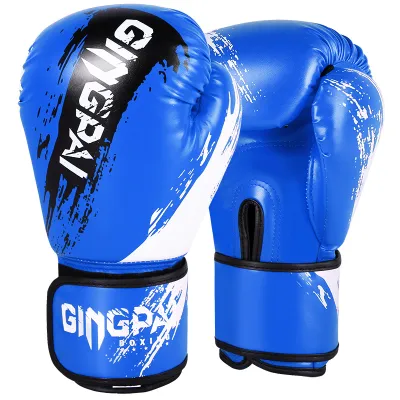
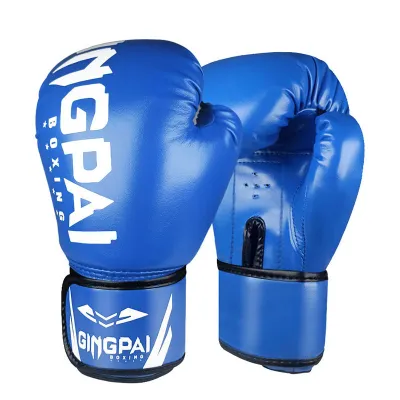

Prices are valid at publication and may change. Please refer to the product page for the latest price.
Weight and overall design also differ significantly between the two categories. Training gloves are often lighter and more compact, allowing boxers to focus on hand speed, crisp combinations, and proper punching form. Sparring gloves are intentionally bulkier and heavier, which naturally slows down hand speed slightly and provides a larger defensive shield when blocking incoming punches. Additionally, sparring gloves often feature a more securely attached and tucked thumb position to prevent accidental eye pokes during active exchanges, alongside a more flexible wrist profile to accommodate defensive parries and clinching.
When to Use Training Gloves for Your Routine
Training gloves are the workhorses of any boxing training regimen. If your daily workout consists of solo heavy bag sessions, focus mitt drills with a coach, double-end bag timing practice, or high-intensity interval training (HIIT) boxing classes, training gloves are the correct tool for the job. These activities involve striking dense, stationary, or moving targets that offer high resistance, requiring a glove that can absorb repetitive shock without degrading.

The dense, multi-layered foam in training gloves is specifically formulated to handle this continuous abuse. When you strike a heavy bag, the resistance is immediate and solid. Without the firm support of a training glove, the impact would travel directly back into the delicate metacarpal bones of your hand and the small joints of your wrist, leading to chronic soreness or acute injury.
Furthermore, training gloves are excellent for developing speed, endurance, and proper technique. Because they are available in lighter weights, they allow you to maintain high volume during long conditioning rounds without premature shoulder fatigue. This lighter profile also provides immediate tactile feedback; you can feel exactly how your knuckles align with the target upon impact, allowing you to make real-time adjustments to your punching mechanics.
When Sparring Gloves Are Strictly Required
The moment your boxing training transitions from solo bag work to partner-based drills, defensive practice, and live sparring, you must switch to sparring gloves. Sparring is a collaborative learning tool designed to test your reflexes, timing, and strategy against a resisting opponent. It is not a competitive fight, and keeping your training partner safe is the absolute priority of any reputable gym.
Sparring gloves are engineered with a thicker, softer layer of foam over the knuckles to act as a shock absorber. When a punch lands, this pillowy padding compresses gradually, lengthening the duration of the impact and reducing the peak force transmitted to your partner’s head or body. This design is crucial for minimizing the risk of superficial injuries like cuts and swelling, as well as reducing the internal jarring forces that cause more serious head trauma.
Using proper sparring gloves is also a matter of strict gym etiquette and safety regulations. Most boxing coaches and gym managers will not allow you to step into the ring for live sparring unless they have verified that you are wearing designated sparring gloves, typically weighing at least 16 ounces. Attempting to spar with compact, dense training gloves is highly dangerous and is widely considered a major breach of respect and safety within the combat sports community.
Can You Use One Pair of Gloves for Everything?
Many beginners wonder if they can save money by purchasing a single pair of gloves to handle both bag work and sparring. While this is a common temptation, attempting to use one pair for all activities introduces significant safety risks and rapidly destroys your equipment.
If you use a high-quality pair of sparring gloves on a heavy bag, the dense, hard surface of the bag will quickly compress and break down the soft, pillowy foam inside the gloves. Within a few weeks of heavy bag work, the protective qualities of the sparring gloves will be ruined. The foam will become flat and hard, rendering them unsafe for sparring and forcing you to replace them much sooner than expected.
Conversely, using training gloves for sparring is highly dangerous for your partner. The dense, compact foam of a training glove does not compress sufficiently upon hitting a human target, meaning your partner will absorb the full, hard force of your knuckles. This significantly increases the likelihood of causing cuts, black eyes, or concussions, even during light, controlled technical sparring.
While some manufacturers offer “hybrid” or “all-purpose” gloves, these are always a compromise. They are generally too stiff to offer optimal protection for a sparring partner and too soft to survive long-term abuse on a heavy bag. While a hybrid glove might serve as a temporary solution for light, non-contact partner drills or very occasional light sparring, serious boxers who train regularly will find that investing in two dedicated pairs of gloves is far more cost-effective and safe in the long run.
How to Select the Right Weight and Fit
Selecting the correct glove weight and fit is essential for both hand protection and training efficiency. Boxing gloves are measured in ounces (oz), which represents the weight of the padding and material rather than the physical size of the hand compartment, though heavier gloves generally have slightly larger interiors.
For training gloves, the standard weights are typically 10 oz, 12 oz, and 14 oz. Lighter gloves (10 oz or 12 oz) are ideal for pad work, speed drills, and smaller fighters, as they allow for rapid hand movement and precise feedback. Heavier training gloves (14 oz) offer extra protection and are excellent for heavy bag work, especially for larger individuals or those looking to build shoulder endurance.
For sparring gloves, 16 oz is the universal standard for safety in most gyms. This weight provides the necessary thickness of padding to protect your partner. Lighter fighters (typically under 130 pounds or 59 kilograms) may occasionally be permitted to spar in 14 oz gloves, but this should always be verified with your coach beforehand. Larger fighters (over 180 pounds or 81 kilograms) may require 18 oz gloves to ensure adequate shock absorption for their partners.
When determining the physical fit, you must always factor in your hand wraps. Never try on a boxing glove bare-handed; the fit will be completely different once your hands are wrapped. With wraps on, your hand should slide into the glove smoothly, and your fingertips should gently touch the end of the compartment. The glove should feel snug but not tight enough to pinch your fingers or restrict blood circulation. Ensure you can easily form a natural, tight fist inside the glove without straining your hand muscles.
Final Verdict: Which Gloves Should You Buy First?
If you are just starting your boxing journey, your immediate training schedule should dictate your first purchase. For those whose routine is strictly solo, focusing on heavy bag workouts, fitness classes, and pad work with a trainer, training gloves are the clear choice. They will protect your knuckles from the hard bag, help you develop proper punching mechanics, and last much longer under repetitive impact.
If you are joining a competitive boxing program where partner drills and live sparring are integrated into the curriculum from day one, you must prioritize sparring gloves. Your safety and the safety of your training partners depend on having the correct, soft-padded gear.
For anyone planning to transition from fitness boxing into a comprehensive, long-term training program, the ultimate goal should be to acquire both. Having a dedicated pair of training gloves for the bag and a pristine pair of sparring gloves reserved exclusively for the ring ensures maximum safety, respects gym etiquette, and extends the lifespan of your gear, saving you money in the long run.
Frequently Asked Questions (FAQ)
Do I need to wear hand wraps with both types of gloves?
Yes, hand wraps are an absolute necessity regardless of the glove type or the training activity. Hand wraps secure the many small bones and joints in your hand, keeping them aligned upon impact and preventing hyperextension of the wrist. Additionally, wraps act as a primary barrier to absorb sweat, preventing moisture from soaking directly into the inner lining of your gloves, which helps maintain hygiene and extends the life of the gear.
How do I clean and maintain my boxing gloves?
Proper maintenance is crucial, especially in tropical, high-humidity climates like the Philippines, where sweat-soaked gear can quickly become a breeding ground for bacteria and mold. After every training session, wipe down the exterior of your gloves with a damp cloth and use a dry towel to wipe out as much moisture from the interior as possible. Insert glove deodorizers or dry paper towels to absorb remaining sweat, and allow the gloves to air dry completely in a well-ventilated, shaded area. Never leave your gloves inside a closed gym bag or expose them to direct sunlight or artificial heat sources, as extreme heat can dry out and crack the leather or synthetic exterior and warp the protective internal foam.

Community discussion
Share your experience or ask a question. Comments are reviewed before publication.