
Selecting the right gear for your boxing journey depends entirely on how you plan to train. If your routine consists primarily of hitting heavy bags, working on focus mitts, and practicing solo drills, training gloves are the essential choice because they offer dense padding designed to withstand repetitive impacts while providing feedback to your knuckles. On the other hand, if you are stepping into the ring to face a live opponent, sparring gloves are mandatory because their softer, more distributed padding is specifically engineered to cushion the impact and protect your training partner from injury. For a complete boxing gloves set, many athletes eventually acquire both to ensure they have the correct tool for every phase of their training.
Core Differences Between Training and Sparring Gloves
The fundamental distinction between training and sparring gloves lies in their internal construction and intended target. Training gloves are built to protect the wearer’s hands from hard, inanimate objects like heavy bags and focus pads. Because these targets do not feel pain, the glove’s foam is dense and resilient, designed to absorb high-velocity impacts repeatedly without bottoming out or losing its shape over time.
Sparring gloves, conversely, are engineered with the safety of your training partner in mind. The foam used in sparring gloves is significantly softer and more pillowy, designed to compress easily upon impact to disperse the force of a punch across a wider surface area. This design minimizes the risk of cuts, bruising, and more severe head trauma during live practice sessions.
Products mentioned in this guide
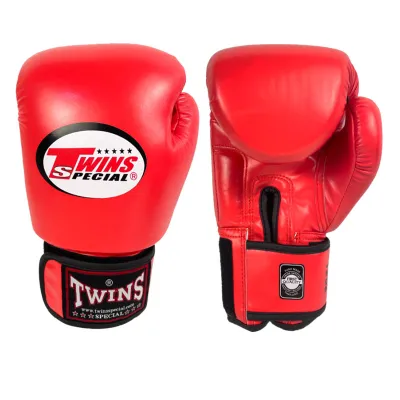
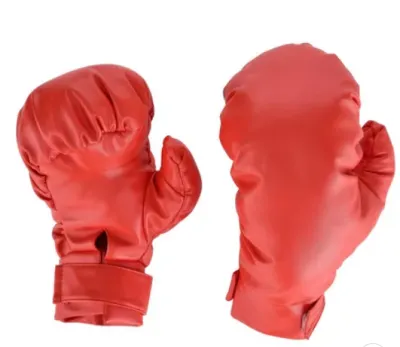
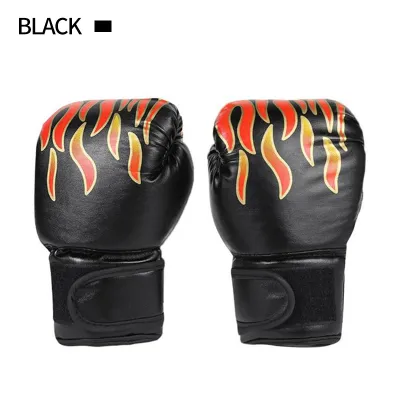
Prices are valid at publication and may change. Please refer to the product page for the latest price.
Padding distribution also varies greatly between the two styles. Training gloves concentrate the majority of their padding directly over the knuckles to shield the hand during straight punches. Sparring gloves distribute padding more evenly across the entire hand, including the back of the hand and the wrist area, which helps cushion the impact when blocking strikes, parrying punches, or catching blows.
Weight is another critical factor that separates these two glove types. Training gloves are available in a wide range of weights, typically from 10 oz to 14 oz, allowing fighters to choose lighter options to develop hand speed and cardiovascular endurance. Sparring gloves are almost always heavier, with 16 oz being the standard requirement in most gyms to ensure maximum safety and to slow down the speed of punches slightly.
When to Choose Training Gloves for Your Routine
If your daily workouts consist of solo bag work and structured pad drills with a trainer, training gloves are the correct tool for the job. The dense foam construction provides the necessary resistance to keep your wrist and knuckles properly aligned when striking a heavy bag. This feedback is crucial for developing proper punching technique and conditioning the small bones in your hands.

Working on focus mitts also benefits from the compact profile of training gloves. The lighter weight allows you to maintain high hand speed and precision during rapid-fire combinations, helping you build shoulder stamina without premature fatigue. The tactile feedback of a training glove lets you know instantly if a punch landed off-center, allowing for immediate form correction.
Lighter training gloves, such as 10 oz or 12 oz options, are highly effective for high-intensity interval training (HIIT) and cardio boxing classes. These lighter weights reduce the strain on your shoulders during long rounds of shadowboxing and light bag work, making them ideal for fitness-focused routines.
However, the safety boundaries of training gloves must be strictly respected. Because the foam in training gloves is dense and firm, using them during live partner sparring is highly dangerous. A firm training glove can easily cause cuts, black eyes, or concussions, which is why reputable coaches will not allow them in the sparring ring.
When to Choose Sparring Gloves for Partner Work
When your training progresses to live partner work, defensive drills, and controlled sparring, transitioning to sparring gloves is a non-negotiable safety requirement. The primary purpose of these gloves is to protect your training partner from the full force of your punches, fostering a cooperative and safe learning environment.
During defensive drills where you practice blocking, slipping, and parrying, the extra padding on sparring gloves plays a vital role. The thicker foam on the wrists and outer edges of the gloves helps cushion the impact on your partner’s forearms and shoulders when they block your strikes, reducing the accumulation of minor injuries over time.
Gym safety standards almost universally mandate specific weight requirements for sparring gear. In most training facilities, anyone weighing over 60 kilograms must use at least 16 oz sparring gloves. This rule ensures that there is enough soft padding to absorb the momentum of heavier punches, protecting both participants from unnecessary harm.
It is highly recommended to keep your sparring gloves away from the heavy bag. The dense, hard surface of a heavy bag will rapidly compress and break down the soft, protective foam inside sparring gloves. Once this foam is compromised, the gloves lose their ability to cushion impacts, rendering them unsafe for partner work.
Using a single pair of sparring gloves for bag work also accelerates wear and tear, forcing you to replace them much sooner. To preserve the integrity of the soft foam and ensure the safety of your sparring partners, these gloves should be reserved exclusively for the ring.
Decision Framework: Building Your Boxing Gloves Set
Deciding which glove to buy first depends on your current training goals and budget. If you are a beginner whose routine consists entirely of fitness classes, heavy bag workouts, and pad drills, your first purchase should be a high-quality pair of training gloves. There is no immediate need to invest in sparring gear until you are cleared by a coach to begin contact drills.
If you are an intermediate practitioner who is starting to incorporate light sparring and partner drills into your weekly routine, you must add a dedicated pair of sparring gloves to your gear bag. Attempting to use your worn-out training gloves for sparring is a safety hazard that most gyms will not tolerate.
For a complete and versatile boxing gloves set, the ideal setup consists of two specialized pairs. A lighter pair of training gloves (12 oz or 14 oz) should be used for all bag and pad work, while a heavier pair of sparring gloves (16 oz) should be kept clean and soft for partner sessions. This dual-glove strategy ensures optimal performance, safety, and longevity for your gear.
Before purchasing any gloves, always verify the specific rules of your local gym. Some coaches have strict preferences regarding acceptable brands, colors, or closure systems for sparring to maintain a uniform safety standard. Checking these requirements beforehand prevents costly purchasing mistakes.
Budgeting for your gear is also an important consideration. High-quality boxing gloves in the local market typically range from ₱2,000 to ₱8,000 or more. While buying two pairs of gloves represents a larger upfront investment, it actually saves money over time because alternating between specialized pairs prevents either one from wearing out prematurely.
Essential Specifications to Verify Before Purchase
When selecting gloves for your boxing gloves set, the closure system is one of the most important specifications to consider. Hook-and-loop closures offer unmatched convenience, allowing you to put on and take off your gloves independently during solo training sessions. This is highly practical for fast-paced gym environments where you need to transition quickly between exercises.
Lace-up closures, while more traditional, provide superior wrist support and a highly customized fit around the hand. Because the laces can be pulled tight along the entire wrist cuff, they offer excellent stability for heavy punching. However, lace-up gloves require another person to tie them, making them less practical for solo bag work.
In tropical and humid environments like the Philippines, moisture management is a critical factor for glove durability and hygiene. Look for gloves that feature breathable mesh palms, moisture-wicking inner linings, and antimicrobial treatments. These features help sweat evaporate more quickly, preventing the buildup of bacteria and unpleasant odors.
Sizing and hand wrap compatibility must also be verified before making a final choice. Always try on new gloves while wearing your standard hand wraps, as the extra bulk of the wraps significantly affects how the glove fits. A glove that feels comfortable on a bare hand may pinch your fingers or restrict blood circulation once your hands are wrapped.
Finally, inspect the overall construction and safety features of the glove. Ensure that the thumb is fully attached to the main body of the glove to prevent accidental thumb hyperextension or eye pokes during sparring. Reinforced stitching along the seams and a sturdy wrist cuff are also key indicators of a durable, high-quality glove.
Frequently Asked Questions (FAQ)
Can I use the same gloves for both bag work and sparring?
Using a single pair of gloves for both bag work and sparring is highly discouraged due to safety and durability concerns. The repetitive, high-force impacts of hitting a heavy bag quickly compress and degrade the soft foam inside the gloves. If you then use those same compressed gloves for sparring, you risk injuring your training partner because the hardened foam can no longer adequately absorb the impact of your punches.
How do I determine the correct ounce (oz) size for my gloves?
The correct glove weight depends on your body weight and the type of training you are doing. For training gloves, individuals under 60 kilograms typically use 10 oz or 12 oz gloves, while those over 60 kilograms generally opt for 14 oz. For sparring, 16 oz is the standard safety requirement in most gyms to ensure maximum protection, though lighter fighters under 50 kilograms may sometimes use 14 oz gloves with coach approval.

Community discussion
Share your experience or ask a question. Comments are reviewed before publication.