
Choosing the right gloves for boxing depends entirely on your primary training activity. If you focus on hitting heavy bags, focus mitts, and double-end bags, you need training gloves designed to withstand repetitive, hard impacts. If you engage in live partner sparring, you must use sparring gloves, which feature softer, distributed padding to protect your partner from injury. Using the wrong glove type risks hand damage and compromises your training partner’s safety.
In boxing, equipment is your first line of defense, but it cannot replace proper technique and coaching. Before purchasing your first pair of gloves for boxing, you must evaluate your current skill level, your gym’s safety rules, and how the local climate affects gear maintenance. In tropical environments like the Philippines, high humidity and sweat can rapidly degrade glove materials, making your choice of outer shell and inner lining just as critical as the padding inside.
Core Differences in Design and Padding
To understand why you cannot use a single pair of gloves for boxing, you must look at how manufacturers construct training and sparring gloves. While they look similar from the outside, their internal architecture serves completely opposite functions. Training gloves are built for durability and hand protection against dense, unyielding targets, whereas sparring gloves are engineered to cushion the impact for the person receiving the blow.
Products mentioned in this guide
![IN STOCK]EVERLAST Boxing Punching Gloves 1 Pair for adults Professional Training Muay Thai MMA](https://img.lazcdn.com/g/p/2b634e5edcea53a18fb0ec5fc44976d6.jpg_400x400q80.jpg_.webp)
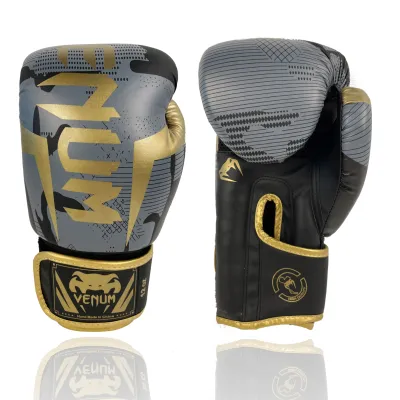

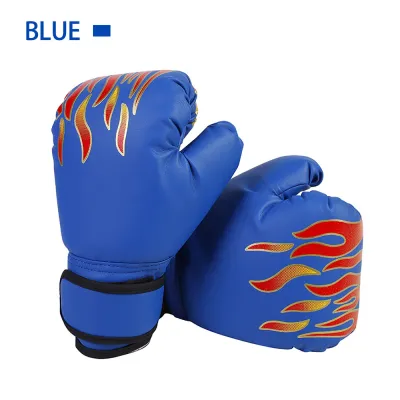
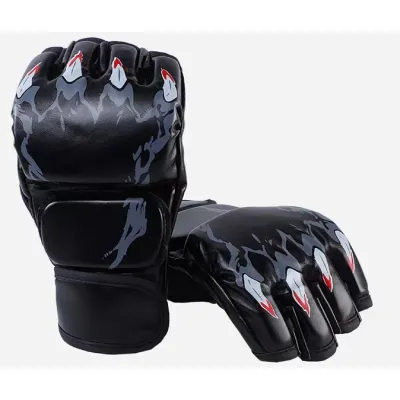
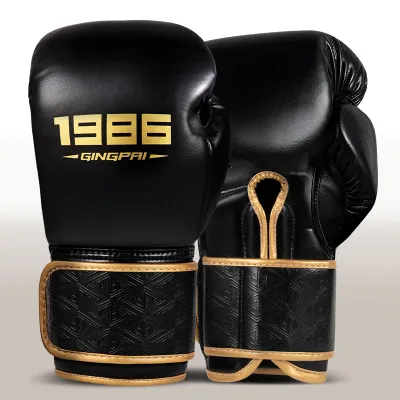

Prices are valid at publication and may change. Please refer to the product page for the latest price.
The primary difference lies in the density and distribution of the internal foam padding. Training gloves typically utilize highly compressed, dense foam layers concentrated directly over the knuckles. This dense barrier prevents your knuckles from bottoming out against a hard heavy bag, protecting the small bones in your hand from stress fractures.
In contrast, sparring gloves feature a thicker, softer, and more pillowy foam layer distributed evenly across the front and sides of the fist. This softer composition absorbs and disperses the kinetic energy of a punch, reducing the risk of causing cuts, bruises, or concussions to your sparring partner.
Hand compartment shape and thumb alignment also vary significantly between these two categories. Training gloves often feature a pre-curved design that helps you maintain a natural fist with minimal muscular effort, allowing you to focus on punching power and volume during long bag sessions.
Sparring gloves prioritize safety by forcing the thumb into a highly tucked, locked position. This specific thumb placement minimizes the risk of accidentally poking your partner’s eye or hyperextending your own thumb during a chaotic exchange.
Weight distribution is another key structural factor. Sparring gloves are generally heavier, with the weight distributed more evenly around the wrist and back of the hand to provide balanced protection. Training gloves tend to concentrate their weight at the front of the fist to maximize knuckle protection.
When to Choose Training Gloves
You should choose training gloves if your boxing routine revolves around solo workouts, fitness classes, or coach-led pad work. If you spend your gym sessions working on the heavy bag, perfecting your timing on the double-end bag, or catching combinations on focus mitts, training gloves are your ideal tool. These gloves are specifically designed to handle the high-velocity, repetitive impacts associated with stationary targets.

The dense padding of a training glove is essential for protecting your hands against hard, unyielding surfaces. When you strike a heavy bag, the bag does not absorb much energy; instead, a significant portion of the force travels back into your hand and wrist. The highly compressed foam layers in training gloves act as a shield, absorbing this shock before it reaches your metacarpal bones.
This dense construction also ensures that the glove retains its shape and protective qualities over thousands of impacts, making it a highly durable option for daily workouts. The outer shell is typically reinforced to resist the abrasive friction of leather or synthetic bag surfaces.
However, you must recognize the strict limitations of training gloves. Because the padding is dense and compact, using training gloves for partner sparring is highly unsafe. The hard knuckle surface can easily cause facial cuts, severe bruising, or head trauma to your training partner.
Many boxing gyms strictly prohibit the use of standard bag or training gloves during live sparring sessions to maintain a safe training environment. If you plan to transition from bag work to partner drills, you must invest in a separate pair of gloves designed specifically for that purpose.
When to Choose Sparring Gloves
Sparring gloves are the correct choice if your training program includes live partner drills, technical sparring, or hard sparring sessions. When you step into the ring to test your skills against another person, your primary responsibility is the safety of your training partner. Sparring gloves are engineered specifically to fulfill this responsibility by minimizing the impact force of your punches.
The defining characteristic of sparring gloves is their soft, pillowy padding. Instead of dense, impact-resistant foam, these gloves use a more forgiving, multi-layered foam system that compresses easily upon contact. This design increases the contact time of the punch, which significantly reduces the peak force transmitted to your partner’s face and head.
Additionally, the extra padding around the wrists and the back of the hand allows you to block and parry incoming strikes more effectively. This extra coverage helps protect your forearms and wrists from bruising when defending against heavy punches.
Despite their excellent protective qualities for partner work, sparring gloves have a major limitation: they are highly vulnerable to premature wear if used on heavy bags. The intense, repetitive friction and hard resistance of a heavy bag will quickly break down the soft foam inside a sparring glove.
Once this internal foam collapses or shifts, the glove loses its protective capabilities, rendering it useless and unsafe for sparring. To protect your investment and your partner’s safety, you should reserve your sparring gloves strictly for partner work and never use them to strike heavy, dense bags.
Feature Comparison and Sizing Checks
Before purchasing gloves for boxing, you should compare their key specifications to ensure they meet your training needs and gym requirements. The table below outlines the primary differences in features, materials, and typical use cases between training and sparring gloves.
| Feature | Training Gloves | Sparring Gloves |
|---|---|---|
| Primary Purpose | Heavy bag, focus mitts, solo drills | Live partner sparring, technical drills |
| Padding Density | High (dense, compact, impact-resistant) | Low to Medium (soft, pillowy, shock-dispersing) |
| Weight Range | Typically 10 oz to 14 oz | Typically 14 oz to 18 oz (16 oz is standard) |
| Closure System | Hook-and-loop (velcro) is most common | Lace-up is preferred; hook-and-loop allowed |
| Durability on Bags | High (designed for hard surfaces) | Low (foam degrades quickly on heavy bags) |
| Partner Safety | Low (not safe for live sparring) | High (designed to protect your partner) |
When selecting your gloves, you must verify the weight requirements mandated by your gym or coach. For sparring, most gyms enforce a strict rule requiring gloves to be at least 16 ounces, regardless of your body weight, to ensure maximum safety for all participants. For training gloves, the weight you choose often depends on your body size and training goals; lighter gloves (10 oz to 12 oz) allow for faster hand speed on mitts, while heavier gloves (14 oz) help build shoulder endurance during bag work.
You also need to consider the closure system. Hook-and-loop (velcro) closures are highly convenient for training gloves because they allow you to put on and take off your gloves without assistance during solo workouts. Lace-up closures, which are common on high-end sparring gloves, provide superior wrist support and a more secure fit, but they require a coach or training partner to tie them for you.
If you choose lace-up sparring gloves, you may also want to purchase lace converters or hook-and-loop utility straps to make them easier to use when training alone. This allows you to enjoy the wrist support of laces while maintaining the independence of a hook-and-loop system.
Material selection is another critical factor, especially in hot and humid climates like the Philippines. Genuine leather gloves offer excellent durability, breathability, and stretch, allowing them to conform to your hand shape over time. However, they require regular maintenance to prevent mold and odor in humid conditions.
Synthetic leather options are often more affordable and easier to clean with a simple wipe-down, but they may degrade faster under heavy daily use. Always check the manufacturer’s label to verify the material composition and care instructions before buying.
Decision Framework: Building Your Glove Setup
To build the ideal glove setup, you must evaluate your training frequency, budget, and long-term boxing goals. If you are a beginner or a fitness enthusiast who primarily hits the heavy bag and focus mitts, you should start by purchasing a high-quality pair of training gloves. A single pair of training gloves is the most cost-effective option for general fitness boxing, as they will withstand the daily abuse of bag work without breaking down.
If your training progresses to live partner drills and sparring, you must add a dedicated pair of sparring gloves to your gear bag. Attempting to use a single pair of gloves for both activities is a compromise that often leads to poor results. If you use a hybrid or general-purpose glove for both bag work and sparring, the heavy bag will quickly degrade the foam, making the glove unsafe for your sparring partners within a few months.
Before finalizing any purchase, always check your local gym’s rules and consult with your coach. Many gyms have specific lists of approved gear or strict weight requirements that you must follow to participate in sparring classes.
Additionally, consider the tropical climate when managing your gear; investing in glove deodorizers, cedar inserts, or a dedicated gear dryer can help prevent moisture buildup and extend the lifespan of both your training and sparring gloves. Keeping your gloves dry and clean is essential for maintaining the integrity of the internal foam and the outer shell.
Frequently Asked Questions (FAQ)
Can I use the same gloves for both bag work and sparring?
Using the same pair of gloves for both bag work and sparring is highly discouraged due to safety risks and equipment degradation. When you hit a heavy bag, the dense resistance compresses and breaks down the internal foam padding over time. If you then use those same compressed gloves to spar, the hardened knuckles can cause severe cuts, bruising, or concussions to your partner. Additionally, many boxing gyms actively ban the use of bag-worn gloves in the sparring ring to protect their members from injury.
What weight gloves should I buy for my first pair?
For your first pair of training gloves, you should check the manufacturer’s sizing chart, which typically matches glove weight to your body weight and hand circumference. Generally, adults weighing under 60 kilograms often start with 12-ounce gloves, while those over 60 kilograms typically choose 14-ounce gloves for general training. If you are purchasing your first pair specifically for sparring, you should almost always choose 16-ounce gloves, as this is the standard weight required by most gyms to ensure adequate protection for your sparring partners.

Community discussion
Share your experience or ask a question. Comments are reviewed before publication.