
Choosing the right boxing gloves as an adult male depends entirely on how you spend your time in the gym. If your routine consists of solo heavy bag workouts to build power and conditioning, you need a glove designed to protect your knuckles from dense resistance. If you are stepping into the ring to trade punches with a partner, your priority shifts to protecting your opponent from injury. For those who balance a mix of pad work, light bag drills, and fitness classes, an all-rounder glove is the most practical starting point. Matching your gear to your specific training activity is not just a matter of comfort; it is a critical safety decision that protects your hands, wrists, and training partners from preventable injuries.
Understanding the Core Differences
To make an informed choice, you must first understand the baseline design philosophies and structural differences among the three glove categories. Boxing gloves are not generic mitts; they are highly engineered pieces of protective equipment. The primary differentiator among them is the density, volume, and distribution of the internal padding. Bag gloves utilize dense, compact foam designed to absorb high-velocity impacts without bottoming out, prioritizing the longevity of the glove and the protection of the wearer’s knuckles. Sparring gloves, by contrast, feature softer, more pillowy layered foam designed to disperse impact over a wider surface area, prioritizing the safety of your sparring partner.
Beyond padding, wrist support and thumb placement vary significantly across these categories. Bag gloves often feature rigid wrist collars or dual-strap systems to prevent the wrist from bending on off-center impacts against a heavy bag. Sparring gloves typically offer a more ergonomic, curved thumb position that is fully attached to the fist to prevent accidental eye pokes or thumb hyperextension during active exchanges. Training gloves attempt to strike a balance, offering moderate padding density and a flexible wrist closure that allows for quick transitions between different exercises.
Products mentioned in this guide
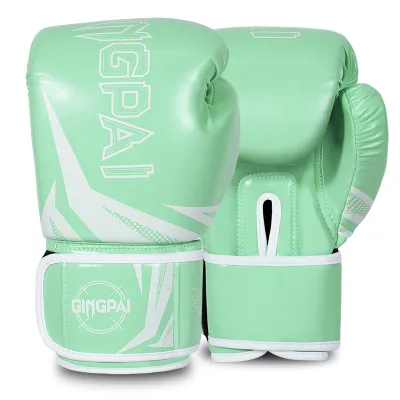
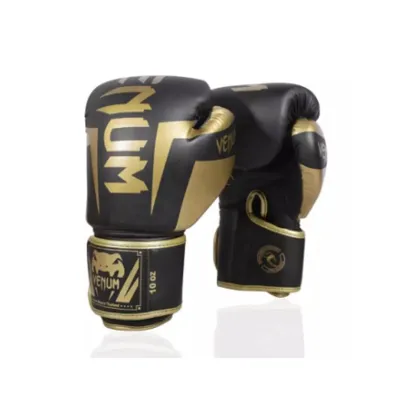
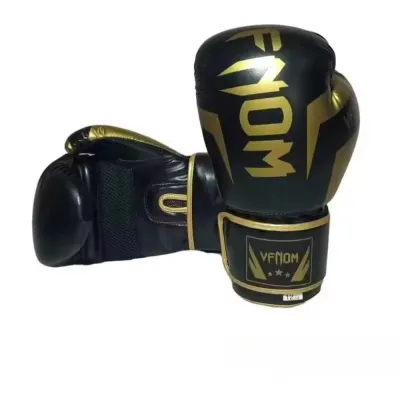
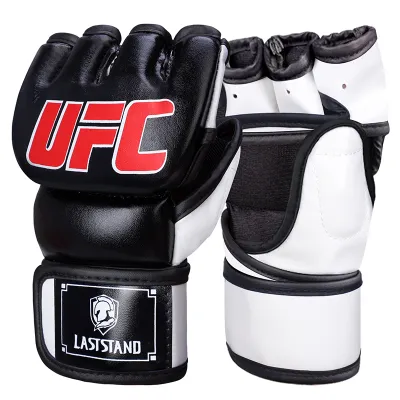
![IN STOCK]EVERLAST Boxing Punching Gloves 1 Pair for adults Professional Training Muay Thai MMA](https://img.lazcdn.com/g/p/2b634e5edcea53a18fb0ec5fc44976d6.jpg_400x400q80.jpg_.webp)
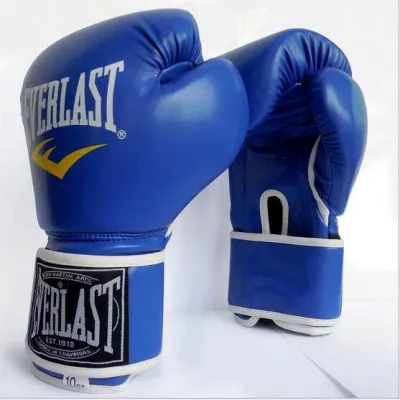
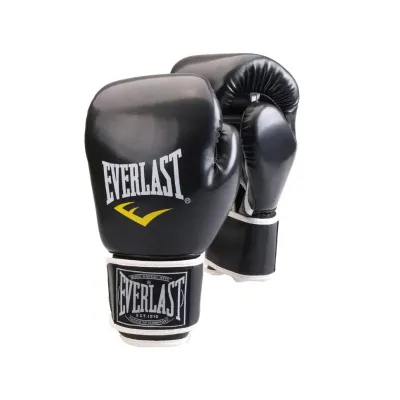
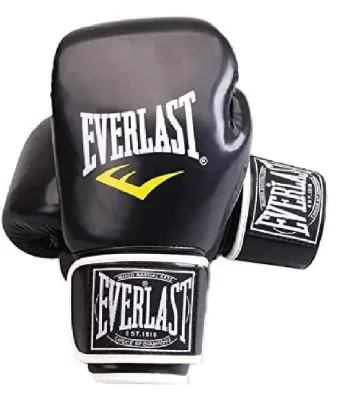
Prices are valid at publication and may change. Please refer to the product page for the latest price.
Bag Gloves: Built for Heavy Impact
If your primary workout involves hitting a heavy bag, double-end bag, or wall pads, dedicated bag gloves are essential. The heavy bag is an unforgiving target; it does not move or absorb impact the way a human body does. Repeatedly striking a dense, 100-pound bag with inadequate padding will quickly compress the foam, transferring the shock directly to your metacarpal bones and wrist joints. Bag gloves are engineered with highly compressed foam or gel layers that can withstand thousands of high-impact strikes without losing their shape or protective qualities.

Wrist stability is another critical feature of bag gloves. Because heavy bags can swing unpredictably, hitting the bag at an awkward angle can easily cause your wrist to hyperextend. Look for bag gloves that feature wide, rigid hook-and-loop straps or reinforced wrist cuffs that act as a splint to keep your wrist aligned with your forearm. Additionally, many modern bag gloves incorporate a moisture-resistant inner lining, which is particularly valuable in hot, humid tropical gyms where sweat can quickly saturate the glove and degrade the internal foam.
A strict safety limitation must be observed: bag gloves should never, under any circumstances, be used for partner sparring. The dense, compressed padding that protects your knuckles against a hard bag acts like a solid block when striking a human face. Using bag gloves in a sparring session significantly increases the risk of cuts, concussions, and facial bruising for your partner. Keep these gloves strictly reserved for solo impact training.
Sparring Gloves: Prioritizing Partner Safety
Sparring is a highly technical, cooperative activity designed to build timing, defense, and ring awareness. It is not about delivering maximum-force knockout blows. Therefore, sparring gloves are designed with the safety of your training partner as the absolute priority. They feature thick, soft, and highly distributed padding that cushions the impact of your punches, reducing the force transferred to your partner’s head and body.
In most reputable boxing gyms, coaches enforce strict safety rules regarding glove weight for sparring. For adult men, the standard requirement is typically a minimum of 16 ounces (oz), though lighter men under 60 kilograms may sometimes be permitted to use 14 ounces. This weight requirement ensures there is a substantial volume of foam between your knuckles and your partner. The larger physical footprint of a 16 oz glove also alters the dynamics of the round; it provides a wider shield for blocking incoming punches, though the added weight requires greater shoulder endurance and discipline to keep your hands up as the rounds progress.
When selecting sparring gloves, pay close attention to the thumb attachment. A high-quality sparring glove will have the thumb securely stitched to the main body of the glove in a natural, tucked position. This design prevents the thumb from flaring out during a punch, which could otherwise result in a painful thumb sprain for you or an accidental eye injury for your partner. Remember that sparring gloves are a specialized tool; using them for heavy bag work will quickly ruin them.
Training Gloves: The Versatile All-Rounder
For beginners, casual fitness boxers, or those who participate in structured classes that mix different drills, training gloves are the most practical and cost-effective choice. These gloves are designed as a hybrid, offering a balanced padding density that is soft enough for light partner drills and focus mitt work, yet durable enough to handle moderate heavy bag sessions. If you are investing ₱3,000 to ₱5,000 in your first quality pair of gloves, a versatile training glove ensures you do not need to purchase multiple pairs immediately.
The convenience of training gloves makes them highly popular in modern fitness gyms. They almost exclusively feature hook-and-loop (velcro) closure systems, allowing you to easily slip them on and off without assistance during a fast-paced class. This is a major advantage when your workout transitions quickly from shadowboxing to focus mitts, and then to floor exercises like push-ups or plank holds.
However, training gloves have clear limitations when pushed to the extremes of training. If you begin to develop serious punching power and spend hours on a stiff, heavy leather bag, the hybrid padding will degrade much faster than that of a dedicated bag glove. Conversely, if you use your training gloves on the heavy bag for several months, the foam will compress and harden. If you then attempt to use those same compressed gloves for hard sparring, you will compromise your partner’s safety.
How to Choose Based on Your Training Routine
To determine which glove type best fits your lifestyle, evaluate your weekly training routine and match it to a clear decision framework. If your weekly routine consists of 80% solo bag work and 20% fitness drills, a dedicated bag glove or a heavy-duty training glove is your best option. If your routine is split evenly between technical sparring, partner drills, and mitt work, you should ideally invest in two pairs: a lighter training glove (12 oz or 14 oz) for pads and bags, and a heavier sparring glove (16 oz) reserved exclusively for the ring. If you are a beginner attending general boxing classes three times a week, a single pair of 14 oz training gloves will serve you well.
Selecting the correct glove weight (measured in ounces) requires balancing your body weight, hand size, and training intent. While manufacturer sizing charts vary, a general guideline for adult men is as follows:
- Men under 65 kg (143 lbs) typically use 12 oz or 14 oz gloves for general training.
- Men between 65 kg and 85 kg (143 to 187 lbs) generally opt for 14 oz or 16 oz gloves.
- Men over 85 kg (187 lbs) should stick to 16 oz gloves to ensure adequate knuckle protection.
Always measure your hand circumference just below the knuckles (excluding the thumb) with a soft measuring tape, and compare this measurement to the specific brand’s sizing chart before purchasing.
Finally, consider the closure system and your local training environment. In the tropical heat of the Philippines, open-air “bakal” gyms and high-humidity training spaces are common. This environment causes intense sweating, which can degrade hook-and-loop closures over time as the velcro collects moisture and lint. While lace-up gloves offer unmatched wrist stability and a custom fit, they require a coach or training partner to tie them for you every session. For most solo trainers, a high-quality hook-and-loop system with a wide, secure strap remains the most practical choice, provided you dry your gloves thoroughly after every workout.
Frequently Asked Questions (FAQ)
Can I use one pair of gloves for both bag work and sparring?
Using a single pair of gloves for both heavy bag work and partner sparring is highly discouraged due to safety and durability risks. When you hit a dense heavy bag, the high-impact forces compress the internal foam layers of the glove over time, causing the padding to harden. If you then use those same compressed gloves to spar, you are essentially striking your partner with hardened foam, which significantly increases the risk of cuts, bruises, and head injuries. Additionally, the rough, abrasive surface of a heavy bag will quickly scuff, tear, and degrade the soft outer leather of a dedicated sparring glove, ruining an expensive piece of equipment. If you must use one pair due to budget constraints, limit your training to non-contact drills and light pad work, and avoid hard sparring entirely.
How do I know what size to buy as an adult male?
To find the correct glove size, you must check three key variables: your body weight, your hand circumference, and your primary training intent. Do not rely on a universal rule or assume that a heavier glove automatically fits a larger hand. Start by wrapping a flexible measuring tape around your dominant hand’s knuckles (excluding the thumb) to find your hand circumference. Next, consult the manufacturer’s specific sizing chart, which will map your hand circumference and body weight to the recommended glove weight in ounces. Ensure you leave enough physical space inside the glove pocket to accommodate hand wraps, which are mandatory for protecting your wrist alignment and knuckle joints during any impact training.

Community discussion
Share your experience or ask a question. Comments are reviewed before publication.