
Choosing the right cardio equipment for your home gym is a significant decision that impacts your daily routine, physical health, and living space. In the Philippines, where tropical humidity and sudden downpours often make outdoor workouts challenging, having a reliable indoor option is essential. The optimal choice between a treadmill, a spin bike, and a rowing machine depends on your individual joint health, space constraints, and workout preferences, rather than a single universal winner. Each machine offers a distinct path to cardiovascular fitness, and understanding their unique characteristics will help you make an informed investment.
Before purchasing, it is important to evaluate how each machine aligns with your lifestyle. A treadmill offers a familiar, functional movement pattern but requires substantial space. A spin bike provides a compact, high-intensity workout that is gentle on the joints. A rowing machine delivers a comprehensive full-body workout but demands a longer floor footprint. By analyzing these factors, you can select the equipment that you will consistently use and enjoy.
Workout Effectiveness and Muscle Engagement
Each of these cardio machines engages your body in fundamentally different ways, altering the muscular demand and the nature of your workout. A treadmill focuses primarily on the lower body, engaging the quadriceps, hamstrings, calves, and glutes. When you walk or run, your core muscles also work continuously to maintain balance and upright posture. If you adjust the incline, you can shift more of the workload to your posterior chain, targeting the glutes and hamstrings more intensely.
Products mentioned in this guide
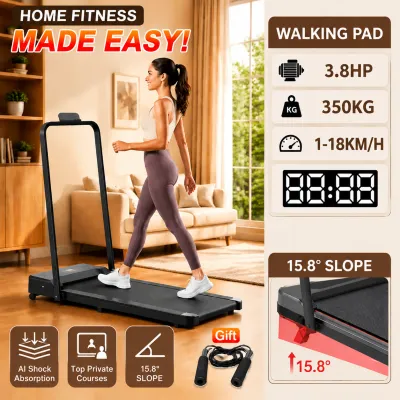
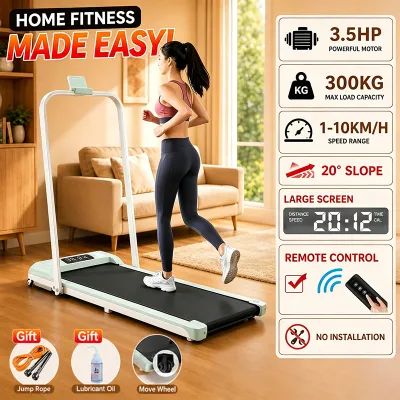
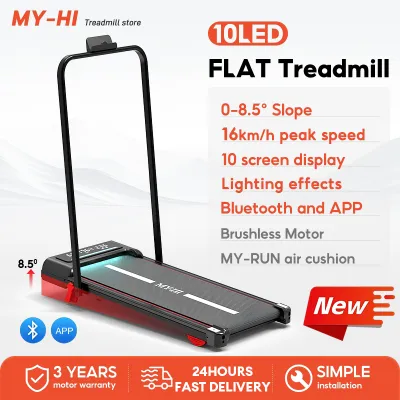
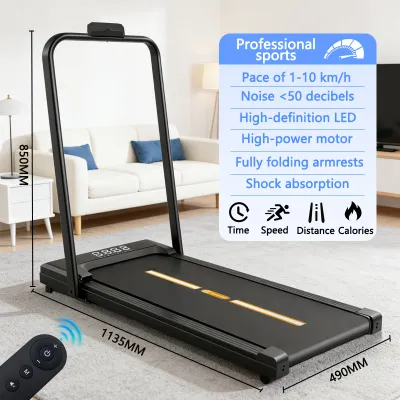
![[COD] Foldable Manual Home Treadmill with Adjustable Slope LED Display Anti-Slip Running Belt Free Twist Disc & Resistance Rope Space Saving Walking Machine for Home Fitness Exercise](https://img.lazcdn.com/g/p/1446617c7dcf63717d1a1640b68a647e.jpg_400x400q80.jpg_.webp)
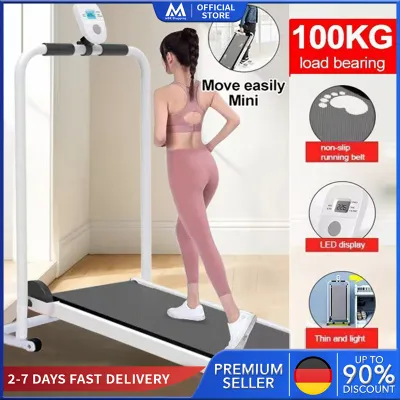
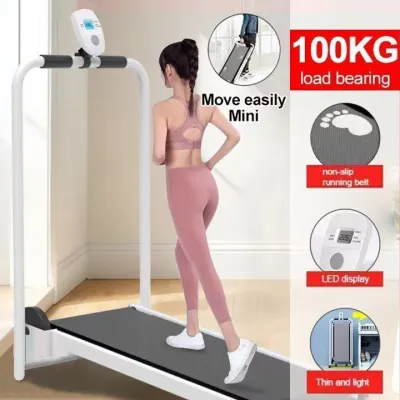
Prices are valid at publication and may change. Please refer to the product page for the latest price.
A spin bike also emphasizes the lower body but operates in a fixed, seated, or standing pedaling motion. The primary muscles targeted are the quadriceps and hamstrings, with the calves and glutes supporting the pedal stroke. Unlike running, cycling does not require your upper body to support your weight, though standing climbs do engage the core and upper body to a limited extent. The resistance on a spin bike can be adjusted rapidly, allowing you to transition from high-speed flat roads to heavy, muscular climbs.
The rowing machine stands out for its comprehensive full-body engagement. A proper rowing stroke utilizes a vast majority of your muscle groups, distributing the effort across your legs, core, back, and arms. The movement begins with a powerful leg drive, transitions through core stabilization, and finishes with an upper-body pull. This balanced distribution means that rowing not only provides excellent cardiovascular conditioning but also promotes muscular endurance across your entire body.
How you adjust the intensity and resistance settings on these machines directly influences your cardiovascular conditioning. On a treadmill (which some users search for using the term thread mill), intensity is controlled by speed and incline, making it easy to perform steady-state cardio or high-intensity interval training (HIIT). Spin bikes utilize a manual friction knob or magnetic resistance to simulate hills, allowing for precise control over your heart rate zones. Rowing machines often use air or water resistance, where the resistance naturally increases the harder and faster you pull, offering an intuitive way to scale your effort.
To match your personal objectives with the right machine, consider this quick checklist:
- For weight management: Look for a machine that you enjoy enough to use consistently, as total caloric expenditure is driven by workout duration and intensity over time.
- For cardiovascular stamina: Both the treadmill and spin bike excel at keeping your heart rate in specific target zones for extended periods.
- For muscle toning and posture: The rowing machine is highly effective because it strengthens the posterior chain (back, shoulders, and glutes) while delivering a cardio workout.
Joint Impact and Physical Limitations
Your physical condition and joint health should play a primary role in your decision. Treadmills are weight-bearing machines, meaning your body supports its own weight against gravity. While weight-bearing exercise is beneficial for maintaining bone density, the repetitive impact of running can place significant stress on your ankles, knees, hips, and lower back. If you have a history of joint discomfort, running on a treadmill may exacerbate these issues, though walking at an incline can offer a lower-impact alternative.

In contrast, spin bikes and rowing machines are non-weight-bearing, low-impact options. On a spin bike, your weight is supported by the seat, which minimizes the impact forces on your lower-body joints. This makes cycling an excellent option for individuals recovering from certain injuries or those with chronic knee sensitivity. However, the seated, slightly hunched posture of cycling can sometimes cause discomfort in the lower back or neck if the bike is not adjusted correctly.
Rowing machines also offer a low-impact workout because you remain seated throughout the movement. The sliding seat allows your legs to drive the motion without the shock of hitting a hard surface. However, rowing requires a continuous hip hinge and spinal flexion, which can put strain on the lower back if your form is incorrect. Users with pre-existing lower back issues must exercise caution and focus on maintaining a neutral spine during the stroke.
Before finalizing any purchase, it is crucial to check the manufacturer’s weight capacity and the ergonomic adjustability of the equipment. Ensure the spin bike allows you to adjust both the seat height and handlebar position to fit your inseam and torso length. For rowing machines, verify that the footrests can accommodate your shoe size and that the seat rail is long enough for your leg length. Prioritizing proper form and a gradual progression in workout duration will help prevent overuse injuries on any machine you choose.
Space Requirements and Home Gym Logistics
The physical footprint of your equipment is a practical constraint that can dictate your choice. A treadmill typically requires a long and wide rectangular space. Beyond the physical dimensions of the machine itself, you must account for safety clearance, particularly a rear fall-zone behind the moving belt. Additionally, if you plan to use the incline feature, you must ensure your ceiling height accommodates your elevated height during a workout.
Spin bikes are generally the most compact option, making them highly suitable for smaller apartments or shared rooms. They have a relatively small footprint and do not require extensive clearance around the sides. Rowing machines, while narrow, are exceptionally long. You will need a clear path that accommodates the full length of the slide rail, plus additional space at the rear and sides to prevent your elbows or body from hitting nearby walls during the rowing stroke.
If space is limited, look for machines with folding mechanisms, mobility wheels, or vertical storage options. Many home treadmills feature decks that fold upward when not in use, though they still occupy some vertical and floor space. Many rowing machines can be stood upright on their front end, significantly reducing their storage footprint. Spin bikes rarely fold, but their small size and built-in transport wheels make them easy to roll into a corner after a workout.
Noise and vibration are critical factors, especially in multi-story homes or condominium units in urban areas. Treadmills generate significant impact noise from your feet striking the deck, which can transmit vibrations through the floor to the rooms below. Spin bikes, particularly those with magnetic resistance, operate almost silently. Rowing machines vary; air resistance rowers produce a noticeable whooshing sound, while magnetic and water rowers tend to be much quieter. Always measure your designated area, including doorway widths for delivery, before ordering.
Decision Framework: Which Cardio Machine Should You Buy?
To finalize your decision, map your personal profile and constraints to the unique characteristics of each machine.
Choose a treadmill (or thread mill) if:
- You are training for outdoor running events or prefer natural walking and running movements.
- You want to build bone density through weight-bearing exercise.
- You have adequate floor space and live on a ground floor or have sound-dampening flooring.
Choose a spin bike if:
- You have limited floor space and need a compact machine.
- You require a low-impact workout that protects sensitive knees and ankles.
- You prefer high-energy, rhythm-based workouts or structured cycling classes.
Choose a rowing machine if:
- You want a highly efficient, full-body workout that targets both upper and lower muscle groups.
- You want to build cardiovascular endurance and muscular stamina simultaneously.
- You have a long room but need a machine that can be stored vertically when not in use.
Verify first if you have severe space limitations, unmanaged medical conditions, or live in a shared space where noise is a major concern. In these cases, a compact, magnetic-resistance spin bike may be the only practical option. Before making a purchase from an online marketplace, it is highly recommended to test the equipment in a physical sporting goods store to assess the feel and comfort. Always review the return policies, warranty terms, and assembly requirements on the product label before checking out.
Frequently Asked Questions (FAQ)
Is a treadmill or spin bike better for weight loss?
Weight loss is primarily driven by achieving a sustained caloric deficit, which depends on your overall energy expenditure and dietary habits rather than the specific machine you use. Both treadmills and spin bikes are highly effective tools for burning calories. The best machine for weight loss is the one you enjoy using consistently, as long-term adherence is the most critical factor in achieving your fitness goals. If you enjoy running, a treadmill will serve you well; if you prefer low-impact cycling, a spin bike will help you maintain a regular workout routine.
How much clearance do I need behind a treadmill?
For safety reasons, it is essential to maintain an open, unobstructed area behind the moving belt of a treadmill to prevent injury in the event of a slip or fall. This safety zone ensures that if you lose your balance, you are safely projected off the belt without colliding with a wall or other furniture. Because exact clearance recommendations vary depending on the machine’s design, belt speed, and dimensions, you should always consult your specific product’s user manual for the manufacturer’s official safety guidelines.
Can rowing machines cause lower back pain?
Rowing machines do not inherently cause lower back pain, but improper form or poor posture during the workout can lead to muscle strain. The most common mistake is rounding the lower back during the catch or pull phase, which places excessive stress on the spine. To prevent discomfort, focus on maintaining a neutral spine, engaging your core, and driving the movement with your legs rather than pulling solely with your upper body. Adjusting the foot straps and ensuring the seat glides smoothly along the rail will also help you maintain proper alignment throughout your session.

Community discussion
Share your experience or ask a question. Comments are reviewed before publication.