
Selecting the right home cardio equipment is a significant step toward building a sustainable, long-term fitness routine. The “best” cardio machine does not exist in a vacuum; the right choice depends entirely on your specific fitness objectives, available floor space, and budget. While treadmills excel at natural running mechanics, spin bikes offer compact, low-impact intensity, and rowing machines deliver full-body conditioning. This guide breaks down the core decision-defining dimensions to help you evaluate which equipment aligns with your lifestyle. When you are ready to explore specific models, checking established retailers like Tobbys Sports can help you compare available specifications and warranty options in the Philippines.
In tropical climates where sudden downpours or intense afternoon heat can disrupt outdoor exercise plans, having a reliable indoor option is incredibly practical. However, buying a machine that does not fit your physical needs or your living room layout often leads to it becoming an underutilized fixture. By analyzing how each machine impacts your body, fits your home, and matches your budget, you can make an investment that keeps you active year-round.
Core Fitness Goals: Matching the Machine to Your Workout
Treadmills are the gold standard for mimicking natural human movement. They are highly effective for walking, jogging, running, and incline training. Because running is a weight-bearing exercise, it plays a vital role in supporting bone density and strengthening the connective tissues in your lower body. If your primary goal is to train for outdoor races, improve your daily step count, or engage in functional movement that translates directly to everyday life, the treadmill is unmatched. It allows you to control your pace and incline precisely, making it easy to program steady-state cardio or progressive hill climbs.
Products mentioned in this guide
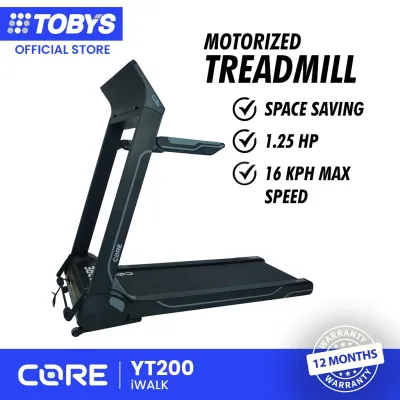
Prices are valid at publication and may change. Please refer to the product page for the latest price.
Spin bikes are designed for high-intensity cardiovascular conditioning and lower-body muscular endurance. They target the quadriceps, hamstrings, glutes, and calves through a continuous, circular pedaling motion. Spin bikes are particularly well-suited for high-intensity interval training (HIIT), allowing you to quickly transition between high-resistance climbs and rapid, low-resistance sprints. If your fitness goals focus on burning calories efficiently, building lower-body power, or completing rhythm-based cycling workouts without putting stress on your joints, a spin bike is an exceptional tool.
Rowing machines offer a unique combination of cardiovascular endurance and full-body muscular conditioning. Unlike treadmills and spin bikes, which primarily target the lower body, a rowing machine engages roughly 86% of your muscles in every single stroke. The rowing motion requires a coordinated effort from your legs, core, upper back, shoulders, and arms. This makes it an incredibly efficient option for those who want to build muscular endurance across their entire body while simultaneously challenging their aerobic system. If you want to maximize your workout efficiency by combining strength and cardio into a single session, the rowing machine is the ideal choice.
Space and Storage: Footprint and Clearance Requirements
Before purchasing any fitness equipment, measuring your dedicated workout area is essential. Treadmills generally require the largest operational footprint of the three options. A standard home treadmill can easily take up a space of about 6 feet in length and 3 feet in width. Beyond the physical footprint of the machine itself, safety guidelines dictate leaving at least 1.5 to 2 meters of clear space behind the treadmill belt to prevent injury in case of an accidental fall. Additionally, you must consider vertical clearance; when you use the incline feature, your head will rise closer to the ceiling, so ensure your room has adequate overhead space. Look for models with hydraulic folding mechanisms and secure deck locks to safely store the machine when it is not in use.

Spin bikes are highly space-efficient, making them a favorite for compact homes and apartments. They typically occupy a footprint of only about 4 feet by 2 feet. Because the rider remains seated or standing directly over the frame, you do not need extensive clearance around the machine, and vertical clearance is rarely an issue. Most spin bikes come equipped with small transport wheels on the front stabilizer, allowing you to easily roll the bike into a corner or closet when your workout is finished.
Rowing machines demand a long operational footprint during use, often stretching between 7 and 8 feet in length. You also need to ensure there is adequate clearance behind the seat rail so your body can lean back fully at the end of each stroke. However, rowing machines excel in storage versatility. Many modern rowers are designed to either fold in the middle or stand completely upright on their front frame. When stored vertically, a rowing machine takes up about the same floor space as a standard dining chair, making it surprisingly practical for tight living spaces.
Joint Impact and Safety: Evaluating Physical Strain
Your physical condition and joint health should heavily influence your choice of cardio equipment. Treadmills subject your joints to higher impact forces, particularly during running. Every footstrike sends ground reaction forces up through your ankles, knees, and hips. While this impact is beneficial for building bone density in healthy individuals, it can exacerbate pre-existing joint pain or arthritis. To mitigate this, look for treadmills with advanced deck cushioning systems, or focus on walking at a steep incline, which raises your heart rate without the high-impact landing of a run.
Spin bikes offer a low-impact, closed-chain movement where your feet remain securely clipped or strapped into the pedals. This eliminates the jarring impact forces associated with running, making it highly suitable for individuals recovering from joint injuries or those with sensitive knees. However, safety on a spin bike depends heavily on proper setup. Riding with a seat that is too low or too far forward can place excessive shear stress on the kneecaps, while a seat that is too high can strain the hamstrings and lower back. Always verify your bike setup instructions to ensure your knees maintain a slight bend at the bottom of the pedal stroke.
Rowing machines are also low-impact, but they require strict adherence to proper form to prevent physical strain, particularly in the lower back. The rowing stroke must be executed in a specific sequence: push with the legs, hinge the core, and then pull with the arms. On the return, the arms extend, the core hinges forward, and then the knees bend. If you round your spine or pull primarily with your lower back instead of driving with your legs, you risk muscle strain. If you have pre-existing lower back issues, it is highly recommended to consult a physical therapist or fitness professional to verify your form before committing to a rowing routine.
Budget and Value: What to Expect at Different Price Points
Setting realistic budget expectations is key to finding a machine that offers long-term value and durability. Treadmills generally represent the highest financial investment. Entry-level motorized treadmills in the Philippines often start around ₱15,000 to ₱25,000, but these models may have smaller motors and narrower running belts. Mid-range and premium treadmills, which offer continuous horsepower (CHP) motors suitable for running, robust deck cushioning, and interactive consoles, can range from ₱40,000 to well over ₱100,000. When budgeting for a treadmill, prioritize motor quality and deck size over high-tech screen features, as a durable motor is critical for longevity.
Spin bikes offer a highly versatile price range, making them accessible for various budgets. Basic friction-resistance bikes can be found for under ₱10,000, though they require regular pad maintenance and can be noisier. Mid-range and premium spin bikes, which utilize smooth magnetic resistance and quiet belt-drive systems, typically range from ₱15,000 to ₱45,000. Investing in a bike with a heavier flywheel and magnetic resistance ensures a smoother, road-like feel and significantly reduces wear and tear over time.
Rowing machines vary in cost based on their resistance mechanisms. Magnetic rowers are often the most budget-friendly, with reliable entry-to-mid-range models priced between ₱12,000 and ₱25,000. These models provide quiet operation and adjustable resistance levels. Air and water rowers, which offer dynamic resistance that responds to how hard you pull, are generally positioned at higher price points, often ranging from ₱30,000 to ₱60,000 or more. While air and water rowers provide a more realistic rowing sensation, they require a larger budget and, in the case of water rowers, occasional water treatment maintenance.
Decision Framework: Which Cardio Machine Should You Buy?
To finalize your decision, evaluate how your personal circumstances align with the strengths of each machine.
Choose a Treadmill if: You prioritize natural running or walking mechanics, want to build bone density through weight-bearing exercise, have ample floor space with high ceilings, and have a larger budget to invest in a durable motorized unit.
Choose a Spin Bike if: You need a highly compact, low-impact option for intense cardiovascular workouts, live in a shared apartment where noise must be kept to a minimum, and prefer a straightforward setup with minimal maintenance.
Choose a Rowing Machine if: You want an exceptionally efficient full-body workout that targets both strength and cardio, have the physical length to accommodate the machine during use but prefer vertical storage, and are willing to dedicate time to mastering proper rowing form.
Before making your final purchase, always verify your home’s physical constraints. Check your ceiling height if you plan to use a treadmill on an incline, measure your doorways to ensure the equipment can be delivered easily, and assess the noise tolerance of your living space. Taking the time to match these practical details with your fitness goals ensures your new equipment remains a valuable part of your daily routine.
Frequently Asked Questions (FAQ)
Which cardio machine is the quietest for apartment living?
Magnetic spin bikes and magnetic rowing machines are generally the quietest options because they use non-contact magnets to create resistance, eliminating friction noise. Treadmills tend to be the loudest due to the combination of motor noise and the physical impact of your feet striking the running deck. Air rowers and fan bikes also produce noticeable noise from the spinning fan blades pushing through the air.
Do I need a mat under my cardio equipment?
Using a dedicated equipment mat is highly recommended for all three types of machines. A mat protects your flooring from scratches, indentations, and sweat, which can be corrosive over time. Additionally, a high-quality rubber or PVC mat helps dampen vibrations, reducing the amount of noise that travels through the floor to neighboring rooms or downstairs apartments.

Community discussion
Share your experience or ask a question. Comments are reviewed before publication.