
Setting up a home gym requires balancing physical goals, available floor space, and budget. Choosing between a treadmill, a spin bike, and a rowing machine is not about finding a universally superior machine, but rather identifying which equipment matches your daily routine, joint health, and living environment. In tropical climates where outdoor workouts can be limited by sudden downpours or intense midday heat, having a reliable indoor cardio option is a practical way to maintain consistency.
Each of these three machines offers a distinct style of cardiovascular conditioning. A treadmill—frequently searched for online as a thread mill exercise machine—simulates natural weight-bearing movements like walking and running. A spin bike provides a high-intensity, low-impact cycling experience that targets the lower body. A rowing machine delivers a comprehensive full-body workout by combining cardiovascular training with horizontal resistance. By analyzing how these machines operate, how much space they occupy, and what kind of maintenance they require, you can make an informed investment that keeps you active for years to come.
Understanding Core Mechanics and Muscle Engagement
To choose the right equipment, you must first understand how each machine interacts with your body. The movement patterns dictate not only how many calories you burn but also which muscle groups bear the brunt of the workload.
Products mentioned in this guide
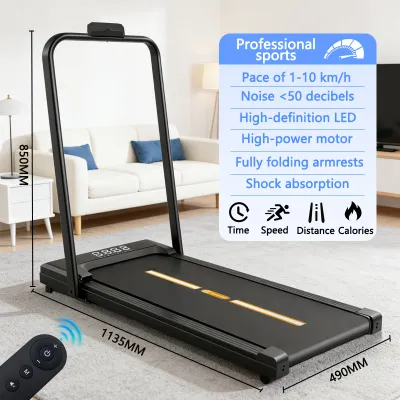
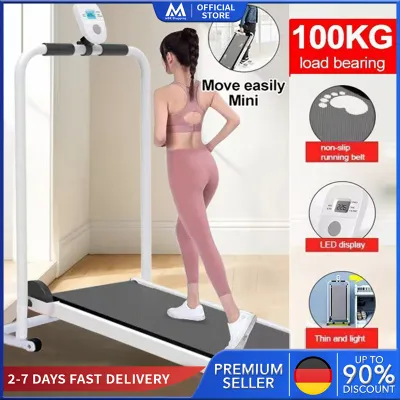
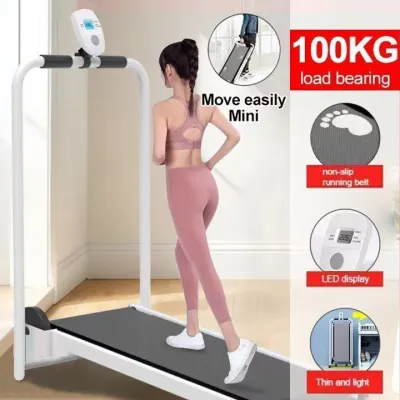
![[COD] Foldable Manual Home Treadmill with Adjustable Slope LED Display Anti-Slip Running Belt Free Twist Disc & Resistance Rope Space Saving Walking Machine for Home Fitness Exercise](https://img.lazcdn.com/g/p/1446617c7dcf63717d1a1640b68a647e.jpg_400x400q80.jpg_.webp)
Prices are valid at publication and may change. Please refer to the product page for the latest price.
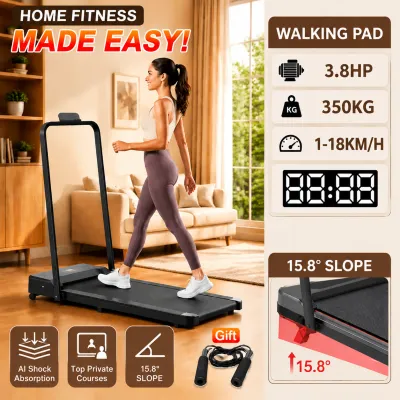
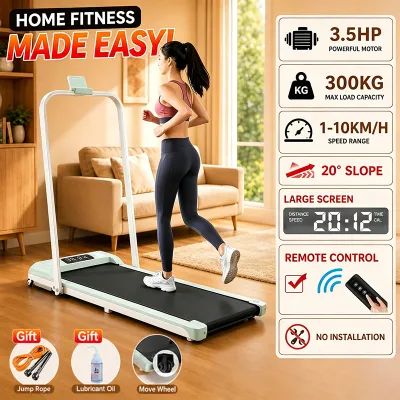
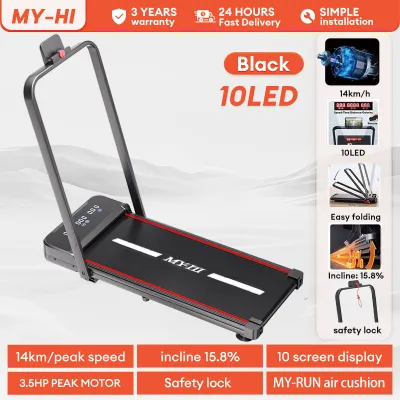
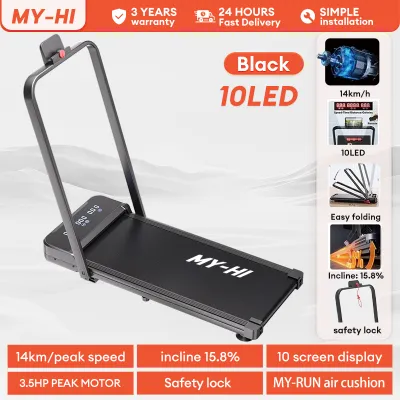
The treadmill exercise machine relies on weight-bearing mechanics. When you walk, jog, or run on a treadmill, your body must support its entire weight against gravity. This natural gait pattern engages your entire lower body, including your calves, hamstrings, quadriceps, and glutes. Additionally, your core stabilizers must constantly engage to keep you balanced and upright, especially when you introduce an incline. Because weight-bearing exercise stimulates bone density, the treadmill is highly effective for overall skeletal health, though it does subject your joints to repetitive ground reaction forces.
In contrast, a spin bike offers a seated, non-weight-bearing workout. Your body weight is supported by the saddle, handlebars, and pedals, which significantly reduces the stress on your skeletal system. The cycling motion is a closed-loop movement where your feet remain in constant contact with the pedals. This setup allows you to focus heavily on the quadriceps, hamstrings, and glutes. By adjusting the manual or magnetic resistance, you can simulate steep climbs that build muscular endurance in the legs without putting pressure on your ankles or knees.
The rowing machine operates on a horizontal plane, requiring a coordinated, full-body push-pull motion. Unlike the treadmill and spin bike, which are predominantly lower-body focused, rowing engages roughly 86 percent of your muscles during a complete stroke. Each repetition begins with a powerful leg drive using the quadriceps and glutes, transitions through the core stabilizers, and finishes with a pull from the upper back, shoulders, and arms. This horizontal movement pattern distributes the physical effort across your entire frame, making it an exceptionally balanced option for building both cardiovascular endurance and muscular strength.
Evaluating Space, Noise, and Home Environment Constraints
Before purchasing any heavy fitness equipment, you must carefully evaluate your living environment. In urban areas where condo living and multi-story apartments are common, physical footprint, vertical clearance, and noise transmission are critical factors.

The physical footprint and storage capabilities of these machines vary widely. Treadmills generally require the most dedicated floor space during use. While many home models feature foldable decks that lift upward when not in use, they still present a bulky profile that can dominate a small room. Spin bikes are highly compact, boasting the smallest footprint of the three. They fit easily into tight corners or small balconies and rarely require folding mechanisms, though they are heavy and require built-in transport wheels to move. Rowing machines have a long, narrow footprint. While they require significant floor length during a workout, many models can be folded in half or stood upright against a wall, making them surprisingly easy to store in narrow hallways or closets.
Noise and vibration transfer can quickly become a source of friction with family members or downstairs neighbors. Treadmills are typically the loudest option. The combination of a motorized drive belt and the physical impact of your feet striking the deck creates low-frequency vibrations that easily travel through concrete or wooden floors. Spin bikes and rowing machines are significantly quieter, particularly those utilizing magnetic resistance systems. A magnetic spin bike operates almost silently, producing only a soft whir. Rowing machines with water or air resistance do produce some sound—either a rhythmic sloshing or a wind whoosh—but magnetic rowers remain nearly silent, making them ideal for early morning or late-night workouts in shared spaces.
Clearance requirements extend beyond mere floor space. For a treadmill, you must calculate your ceiling height. When running at an incline, your head will rise several inches closer to the ceiling; a low-hanging ceiling or a ceiling fan can pose a safety hazard. For rowing machines, you must ensure the slide rail is long enough to accommodate your full leg extension without your seat hitting the rear stopper. Additionally, you need lateral clearance on a rower to allow your elbows to flare naturally during the pull phase of the stroke.
Matching Fitness Goals and Joint Impact Tolerance
Your choice of equipment should align directly with your current physical condition, joint health, and long-term fitness objectives. Selecting a machine that aggravates existing physical vulnerabilities will only lead to unused equipment and potential injury.
Impact levels are a primary differentiator among these three options. Running on a treadmill is a high-impact activity. Each footstrike sends a shockwave up through your ankles, knees, hips, and lower back. While modern treadmill decks incorporate cushioning systems to absorb some of this impact, it remains far more stressful on the joints than cycling or rowing. Spin bikes and rowing machines are low-impact alternatives. Because your feet never leave the pedals or footplates, there is no impact shock, making these machines much gentler on cartilage and connective tissues.
Different machines also lend themselves to different workout styles. If your goal is high-intensity interval training (HIIT), the spin bike is highly efficient, allowing you to rapidly transition between high-resistance standing climbs and fast-paced recovery sprints. Treadmills can also be used for intervals, but motorized models require time to speed up and slow down, which can disrupt short, intense sprints. Rowing machines are excellent for both steady-state aerobic conditioning and high-intensity intervals, though maintaining proper form is crucial when fatigue sets in during a demanding workout.
If you have pre-existing physical conditions, you must exercise caution. Individuals with chronic lower back pain may find the seated, slightly forward-leaning posture of rowing uncomfortable, as it places continuous demand on the lumbar spine. Conversely, those recovering from knee or ankle injuries might find the linear, low-impact path of a spin bike to be highly therapeutic. Always verify your physical readiness and equipment suitability with a qualified physical therapist or physician before beginning a new exercise regimen on any of these machines.
Assessing Budget, Maintenance, and Ongoing Costs
The true cost of owning home fitness equipment extends far beyond the initial checkout price. Understanding the maintenance requirements and potential hidden fees will help you choose a machine that fits your long-term budget.
Initial investment tiers generally dictate the build quality, stability, and console features of the equipment. Entry-level options under ₱15,000 often feature basic manual resistance, lighter frames, and simple LCD monitors. Mid-range machines, typically priced between ₱15,000 and ₱45,000, offer sturdier steel frames, smoother resistance mechanisms, and basic Bluetooth connectivity. Commercial-grade builds exceeding ₱45,000 provide high-capacity motors, advanced interactive screens, and superior durability designed to withstand hours of daily use.
Routine maintenance is essential to protect your investment, especially in tropical environments where high humidity and sweat can accelerate rust and wear. Treadmills require the most hands-on maintenance; you must regularly lubricate the deck beneath the running belt, check belt alignment, and vacuum dust from the motor compartment to prevent overheating. Spin bikes require periodic checks of the pedal tightness, belt or chain tension, and regular wiping down of the frame to prevent sweat from corroding the metal. Rowing machines are relatively low-maintenance, requiring you to keep the slide rail free of dust and debris, wipe down the seat rollers, and occasionally check the tension of the pull cord or chain.
Hidden costs can accumulate over time. Many modern cardio machines feature integrated screens that encourage or require paid monthly app subscriptions to access interactive workouts and scenic runs. If you prefer not to pay a recurring fee, verify whether the machine can operate fully in manual mode or if it features built-in, non-subscription workout programs. Additionally, consider electricity consumption; while spin bikes and manual rowing machines require little to no electrical power, a motorized treadmill can noticeably increase your monthly utility bill if used frequently.
Final Decision Framework: Choosing Your Home Cardio Machine
To make your final decision, evaluate how your personal preferences, physical space, and fitness goals align with the specific strengths of each machine.
You should choose a treadmill if you prefer natural, weight-bearing exercises and want to train for outdoor running, walking, or hiking events. This option is ideal if you have a dedicated ground-floor space, high ceilings, and do not mind performing regular belt lubrication and motor maintenance.
You should choose a spin bike if you have limited floor space, live in a noise-sensitive apartment or condo, and need a highly compact, low-impact machine. It is an excellent choice for those who enjoy high-intensity interval training and want a straightforward, low-maintenance workout that protects the knees and ankles.
You should choose a rowing machine if you want a highly efficient, full-body workout that engages both your upper and lower body simultaneously. This option is best if you have a long room to accommodate the slide rail, are willing to focus on mastering proper rowing form, and want a machine that can be stored vertically when not in use.
Before finalizing your purchase, verify your physical limitations and home constraints. If you have a history of joint injuries, live in a multi-story building with thin floors, or have extremely tight space limitations, test the equipment options in person if possible, or consult a professional to ensure your chosen machine fits safely into your lifestyle.
Frequently Asked Questions (FAQ)
Can I use a treadmill, spin bike, or rowing machine if I have knee pain?
If you experience chronic knee pain, low-impact options like a spin bike or a rowing machine are generally more suitable than a treadmill. These machines support your body weight, reducing the repetitive impact forces on your knee joints. However, proper setup is critical; on a spin bike, an incorrect seat height can actually worsen knee strain. Always start with low resistance, focus on maintaining proper alignment, and consult a healthcare professional or physical therapist to determine which movement pattern is safe for your specific joint condition.
Do these machines require a paid subscription to be effective?
No, none of these machines require a paid subscription to provide an effective workout. While many manufacturers promote subscription-based fitness apps for interactive coaching, almost all equipment can be operated in manual mode or via built-in, free workout programs. You can easily track your time, distance, and heart rate using the basic console display or by pairing the machine with free third-party fitness tracking apps on your smartphone or tablet.

Community discussion
Share your experience or ask a question. Comments are reviewed before publication.