
Choosing the right home cardio equipment depends on your personal fitness goals, physical health, and living environment. A treadmill exercise machine is the premier choice for weight-bearing cardio and natural running mechanics, helping you build bone density and prepare for outdoor road races. A spin bike offers a highly efficient, low-impact workout focused on lower-body power and high-intensity interval training. Meanwhile, a rowing machine provides a comprehensive full-body workout that simultaneously challenges your cardiovascular system and major muscle groups.
To make the right investment for your home gym, you must balance your physical needs with your practical living constraints. Factors such as joint sensitivity, available floor space, noise tolerance, and even the humid tropical climate of your home play a critical role in determining which machine will serve you best over the long term.
Core Differences in Workout Impact and Muscle Engagement
Each cardio machine interacts with your body in a distinct physiological manner, targeting different muscle groups and energy systems. Understanding these differences allows you to align your equipment purchase with your specific physical development goals.
Products mentioned in this guide
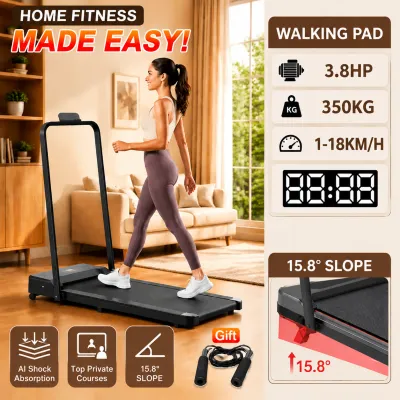
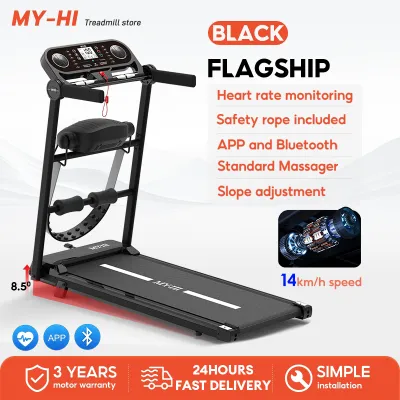
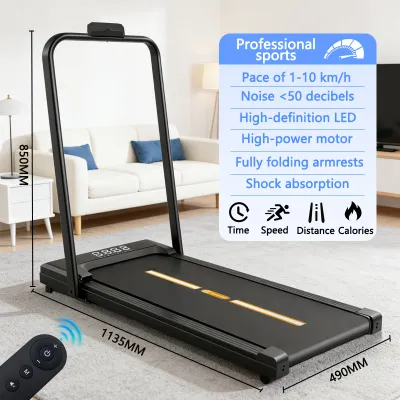
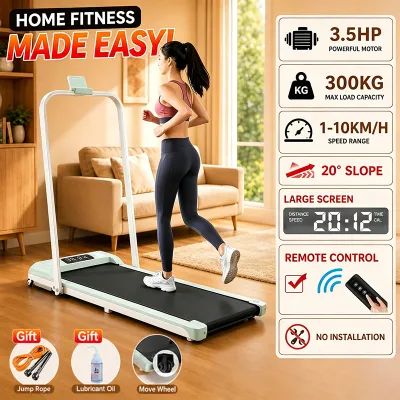
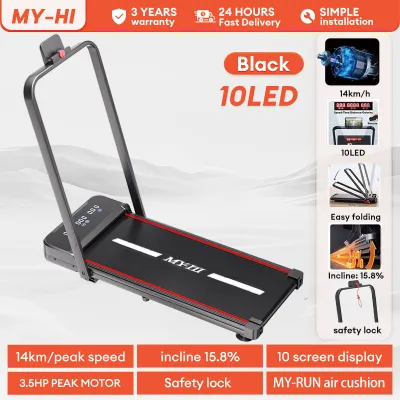
![[COD] Foldable Manual Home Treadmill with Adjustable Slope LED Display Anti-Slip Running Belt Free Twist Disc & Resistance Rope Space Saving Walking Machine for Home Fitness Exercise](https://img.lazcdn.com/g/p/1446617c7dcf63717d1a1640b68a647e.jpg_400x400q80.jpg_.webp)
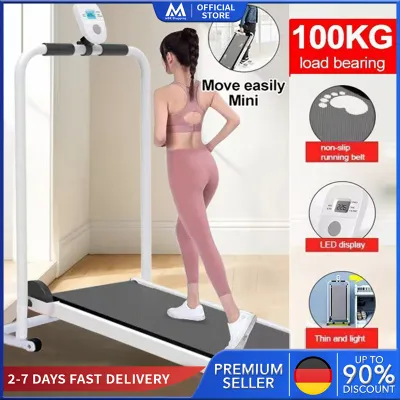
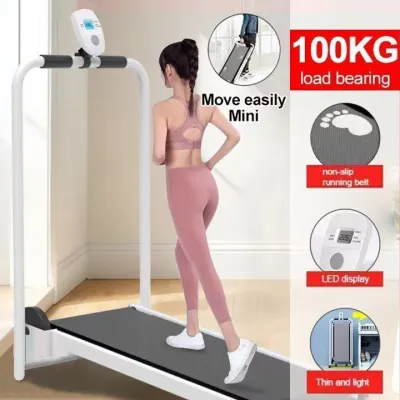
Prices are valid at publication and may change. Please refer to the product page for the latest price.
A treadmill exercise machine replicates natural human locomotion, making it highly effective for functional, everyday fitness. When you walk, jog, or run on a treadmill, your body performs weight-bearing exercise, which is essential for stimulating bone remodeling and maintaining bone density. The primary muscular focus is on your lower body, specifically your calves, hamstrings, quadriceps, glutes, and the stabilizing muscles of your ankles and hips. Because you must support your entire body weight with every stride, your core muscles also engage continuously to maintain an upright posture.
A spin bike shifts the focus to non-weight-bearing, high-cadence lower-body conditioning. Because you remain seated for the majority of the workout, your joints are spared the impact of hitting the ground, allowing you to push your cardiovascular limits through high-intensity interval training (HIIT). The pedaling motion heavily targets your quadriceps and glutes, particularly during high-resistance climbs, while your hamstrings and calves assist during the upward pull of the pedal stroke. It is an exceptional tool for building muscular endurance in the legs without overtaxing your upper body.
A rowing machine offers a unique combination of cardiovascular conditioning and resistance training by engaging roughly 86 percent of your muscles in every stroke. The rowing motion is a coordinated, full-body sequence that begins with a powerful leg drive, transitions through core stabilization, and finishes with an upper-body pull involving your back, shoulders, and arms. This continuous push-and-pull dynamic balances cardiovascular demand with muscular endurance, making it highly efficient for those who want to tone their entire body in a single workout session.
Space, Noise, and Home Setup Requirements
Integrating a large piece of fitness equipment into your home requires careful spatial and environmental planning, especially in urban living spaces like high-rise condominiums or shared apartments.

The physical footprint of these machines varies significantly both during use and when stored. A standard treadmill exercise machine requires a permanent, substantial footprint, often measuring around six feet in length and three feet in width. Even folding models require significant floor space when unfolded and can be heavy and cumbersome to move. A spin bike is much more compact, typically occupying a footprint of only four feet by two feet, making it highly suitable for tight corners or small study rooms. A rowing machine has a long, narrow footprint during use, but many models are designed to fold in half or stand vertically against a wall, allowing you to reclaim valuable floor space when your workout is complete.
Acoustic impact and vibration are critical considerations if you have downstairs neighbors or family members sleeping nearby. Treadmills generate the most noise and structural vibration due to the repeated impact of your feet striking the deck, which can easily travel through concrete floors. Spin bikes utilizing magnetic resistance are nearly silent, producing only a soft hum from the spinning flywheel and making them ideal for early morning or late-night sessions. Rowing machines vary by resistance type; magnetic rowers are exceptionally quiet, while air or water resistance rowers produce a rhythmic rushing sound that some find therapeutic but others may find distracting.
Ceiling height and clearance are often overlooked but vital safety factors. When using a treadmill, you must account for the deck height plus your own height, especially if you plan to use the incline feature, which raises you several inches closer to the ceiling. For rowing machines, you need ample rear clearance for the seat slide and side clearance to prevent your elbows or the handle from striking nearby furniture. Additionally, in humid tropical climates like the Philippines, ensuring your workout space has adequate ventilation, ceiling fans, or air conditioning is essential to prevent sweat buildup on the machine’s electronic consoles and metal frames.
Joint Health and Injury Considerations
Your current physical condition, joint health, and injury history should heavily influence your choice of cardio equipment to ensure your workouts remain safe and sustainable.
The level of joint impact is the primary differentiator among these three machines. Running on a treadmill is a high-impact activity that subjects your ankles, knees, hips, and lower spine to forces multiple times your body weight with every step. While modern treadmill decks feature built-in cushioning systems to absorb some of this shock, they still present a higher risk of impact-related wear and tear compared to stationary options. If you are recovering from joint injuries or suffer from chronic joint pain, high-impact running may exacerbate these conditions.
In contrast, spin bikes and rowing machines offer low-impact, closed-chain movements where your feet remain in constant contact with the pedals or footplates. This design minimizes sudden jarring forces on your joints. For individuals with knee or hip sensitivities, a spin bike provides a smooth, controlled range of motion, provided the seat height and fore-aft position are correctly adjusted to prevent patellar strain. For those with lower back concerns, however, the seated, slightly forward-leaning posture of cycling can sometimes cause discomfort if core strength is lacking.
Rowing is highly supportive of joint health because it is entirely low-impact, but it demands strict adherence to proper technique to protect your lower back. The repetitive flexing and extending of the spine under load can lead to strain if you round your back or initiate the pull with your upper body instead of driving with your legs. If you have pre-existing lower back issues, learning the correct three-part rowing sequence—legs, core, then arms—is essential. Always consult a qualified healthcare professional or physical therapist before starting a high-intensity routine on any of these machines if you have underlying medical conditions.
Feature Checklist: What to Verify Before You Buy
Before finalizing your purchase from an online marketplace or local fitness retailer, verify several technical specifications to ensure the machine is durable, safe, and compatible with your training style.
For treadmills, pay close attention to the motor’s continuous horsepower (CHP) rating rather than the peak horsepower, as CHP indicates the motor’s ability to maintain speed under continuous load. Look for a motor with at least 2.5 CHP for walking and 3.0 CHP or higher if you plan to run regularly. For spin bikes, verify the weight of the flywheel; a heavier flywheel generally provides a smoother, more road-like pedaling feel. For rowing machines, decide between magnetic resistance for quiet, adjustable tension levels, or air resistance for a dynamic response that increases the harder you pull.
The console and connectivity features dictate how you interact with your workouts. Check whether the machine displays essential metrics such as time, distance, speed, cadence, and heart rate. Many modern machines feature Bluetooth connectivity to sync with fitness apps or heart rate monitors. Be sure to verify if the machine’s built-in screen requires an active, paid subscription to access basic workouts or if it allows you to use your own tablet or smartphone via a media shelf without ongoing fees.
Finally, examine the structural build quality by checking the manufacturer’s stated maximum user weight capacity, which serves as a reliable indicator of frame sturdiness. A higher weight capacity generally points to more robust steel construction and higher-quality bearings. Review the warranty terms carefully, looking for generous coverage on the frame and motor, as well as clear terms for parts and labor. In humid environments, look for powder-coated steel frames that resist rust and corrosion from sweat and ambient moisture.
Decision Framework: Which Machine Should You Choose?
To make your final decision, evaluate how each machine’s characteristics align with your daily routine, physical capabilities, and home environment.
You should choose a treadmill exercise machine if your primary goal is to improve your running performance, prepare for outdoor races, or maximize bone density through weight-bearing exercise. It is the ideal choice if you have a dedicated ground-floor workout space, concrete flooring, or a home where the sound of footfalls will not disturb others. The treadmill remains the most intuitive machine for natural, functional movement that translates directly to daily life.
You should choose a spin bike if you have limited floor space, live in an apartment with strict noise considerations, or require a low-impact workout that protects your joints while delivering high-intensity cardiovascular challenges. It is perfect for those who enjoy rhythm-based workouts, studio-style cycling classes, or quick, sweat-inducing interval sessions that fit easily into a busy schedule.
You should choose a rowing machine if you want a highly efficient, time-saving workout that targets both cardiovascular fitness and full-body muscular strength simultaneously. This option is best if you are willing to spend time mastering proper rowing form and have the physical space to accommodate a longer machine, or the ability to store it vertically after use.
Before purchasing any equipment, verify your physical readiness and spatial constraints. If you have chronic joint pain, severe space limitations, or require specialized ergonomic adjustments, testing the machines in person or consulting a fitness professional can help prevent an expensive purchase from turning into an unused clothes rack.
Frequently Asked Questions (FAQ)
Is a treadmill exercise machine better for weight loss than a bike or rower?
Calorie burn and subsequent weight loss depend primarily on the intensity and duration of your workout rather than the specific machine you use. A treadmill exercise machine can lead to high calorie expenditure because it requires you to support and move your entire body weight against gravity. However, spin bikes and rowing machines allow you to sustain high-intensity intervals for longer periods with significantly less joint fatigue, making them equally effective tools for weight management when paired with a balanced diet.
How much floor space do I need for a home cardio setup?
To plan your home workout area safely, measure your designated space and ensure you have at least two feet of clear, unobstructed space on all sides of the machine for proper ventilation, mounting, and dismounting. For a treadmill, you should also leave at least three to four feet of clear space behind the belt in case of accidental slips. Always check the manufacturer’s exact folded and unfolded dimensions, as folding mechanisms and storage configurations vary widely across different models.

Community discussion
Share your experience or ask a question. Comments are reviewed before publication.