
Choosing the right home cardio equipment requires balancing your personal fitness goals with the practical realities of your living space. High humidity, tropical temperatures, and typical residential layouts—such as compact condominium units or multi-generational family homes—all influence which machine will serve you best over the long term. A treadmill machine (sometimes searched as a tridmill machine), a spin bike, and a rowing machine each offer distinct physiological benefits and operational demands. The right choice depends on your joint health, available floor space, fitness objectives, and budget.
Before purchasing any heavy fitness equipment, it is essential to evaluate how each machine interacts with your body and your home environment. While one person may thrive on the high-energy, weight-bearing workout of a running deck, another may require the low-impact, joint-friendly glide of a rower or the quiet, space-saving footprint of a stationary cycle. Understanding these differences prevents your investment from turning into an expensive clothes rack.
Workout Focus and Muscle Engagement
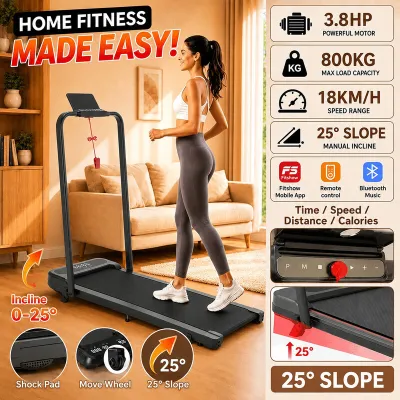
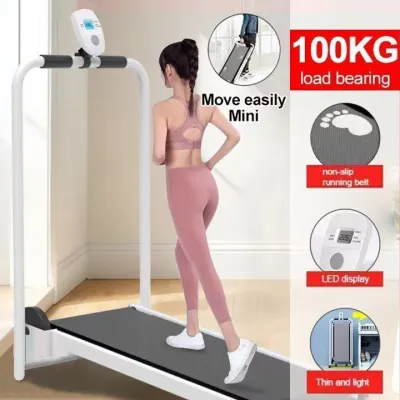
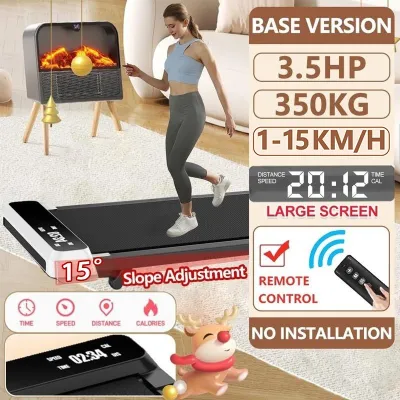
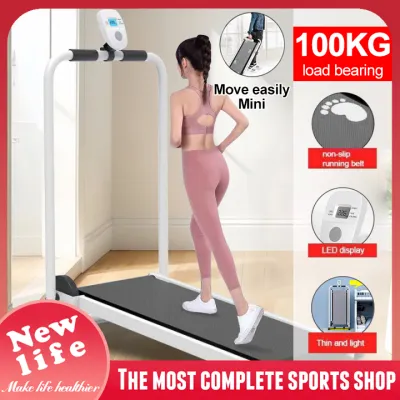
A treadmill machine provides a highly natural form of cardiovascular exercise by mimicking walking, jogging, or running. This is a weight-bearing workout, which means your skeletal system supports your body weight against gravity. Weight-bearing exercise is highly beneficial for maintaining bone density and strengthening the connective tissues in your lower body. The primary muscles engaged during a treadmill session include the quadriceps, hamstrings, glutes, calves, and tibialis anterior, with moderate core activation required to maintain an upright posture.
Products mentioned in this guide
![[COD] Foldable Manual Home Treadmill with Adjustable Slope LED Display Anti-Slip Running Belt Free Twist Disc & Resistance Rope Space Saving Walking Machine for Home Fitness Exercise](https://img.lazcdn.com/g/p/1446617c7dcf63717d1a1640b68a647e.jpg_400x400q80.jpg_.webp)
Prices are valid at publication and may change. Please refer to the product page for the latest price.
Spin bikes shift the focus to a supported, non-weight-bearing cardiovascular workout. Because you are seated, your skeleton does not bear your full body weight, which significantly reduces immediate joint stress. The workout is highly concentrated on the lower body, specifically targeting the quadriceps and glutes during the downward pedal stroke, and the hamstrings and calves during the upward pull. Adjusting the manual or magnetic resistance allows you to simulate steep climbs, which recruits the core muscles and lower back to stabilize your pelvis during high-intensity efforts.
Rowing machines offer a comprehensive full-body workout that engages approximately 86% of your musculature in every complete stroke. Unlike running or cycling, which are predominantly lower-body exercises, rowing distributes the physical workload across your entire body. The rowing stroke is divided into the drive and the recovery. The drive begins with a powerful leg push (quadriceps and glutes), transitions through core stabilization, and finishes with a strong pull from the upper back, shoulders, and arms. This continuous, fluid motion builds both cardiovascular endurance and muscular pulling strength simultaneously.
Space, Noise, and Home Gym Setup
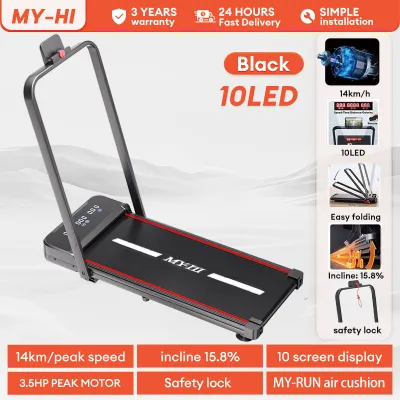
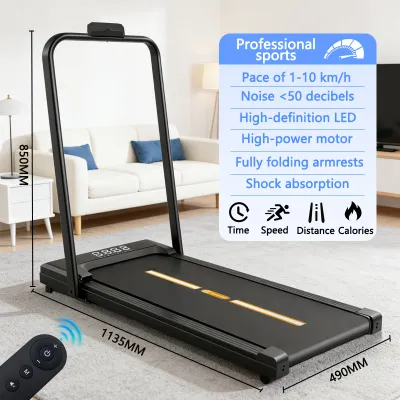
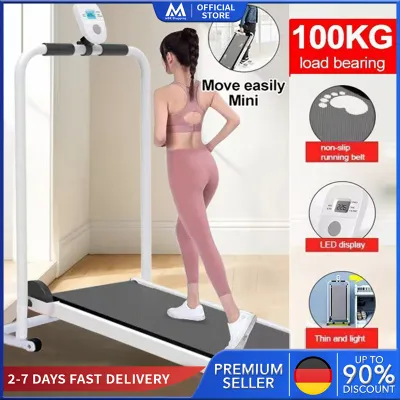
Evaluating your physical home environment is crucial before finalizing a purchase, especially in urban residential areas where space is at a premium. A treadmill machine typically requires the largest permanent footprint of the three options. A standard home treadmill requires a dedicated area of at least two meters in length and one meter in width, plus an additional safety clearance zone behind the belt. Even foldable models remain bulky when upright and can be difficult to move frequently due to their heavy drive motors.

Spin bikes are the most compact option, making them highly suitable for small bedrooms or balcony gym setups. They generally occupy a footprint of only 1.2 meters by 0.6 meters and can be easily wheeled into a corner when not in use. Rowing machines have a long but narrow footprint during operation, often requiring up to 2.4 meters of floor length. However, many modern rowers are designed to be stored vertically against a wall or separated into two pieces, reducing their storage footprint to match that of a standard dining chair.
Noise and structural vibration are critical considerations if you live in a multi-story building or a shared household. Treadmills generate significant noise from both the internal motor and the physical impact of your feet striking the deck. This impact vibration can easily travel through concrete floors, potentially disturbing neighbors below. Spin bikes utilizing magnetic resistance are exceptionally quiet, producing only a faint hum from the spinning flywheel. Rowing machines vary by resistance type; magnetic rowers are nearly silent, whereas air-resistance rowers produce a steady wind-whooshing sound that increases in volume with your stroke speed.
Protecting your flooring from sweat and mechanical vibration is essential in tropical climates. High humidity can cause sweat to pool quickly, which can damage wood, laminate, or tile floors. Placing a high-density rubber equipment mat under your machine is highly recommended to absorb vibrations, catch sweat, and prevent the machine from slipping during intense workouts. Additionally, ensure your room has adequate ceiling clearance; a treadmill user on an incline setting will stand several inches higher than their normal height, requiring careful measurement of low ceilings.
Joint Impact and Physical Safety
Your joint health and injury history should heavily dictate which cardio machine you choose. Running on a treadmill is a high-impact activity that subjects your ankles, knees, hips, and lower back to forces up to three times your body weight with every stride. While quality treadmill decks incorporate elastomeric cushioning systems to absorb a portion of this shock, individuals with chronic joint pain, osteoarthritis, or previous knee surgeries may find prolonged running uncomfortable or counterproductive to their recovery.
Spin bikes and rowing machines provide low-impact alternatives that eliminate the jarring forces of footstrikes. On a spin bike, the smooth, circular pedaling motion keeps your joints aligned and supported, making it an excellent option for cardiovascular conditioning without aggravating knee or hip issues. Rowing is also incredibly gentle on the joints when performed with correct technique, as your body weight is supported by the sliding seat, allowing for a smooth, horizontal plane of motion.
However, low-impact does not mean risk-free, as both cycling and rowing require proper posture to prevent strain. On a spin bike, incorrect saddle height or handlebar positioning can lead to anterior knee pain or lower back stiffness. Rowing has a steeper learning curve than walking or cycling; improper form, such as rounding your lower back at the start of the stroke or pulling solely with your arms, can place excessive shear stress on your lumbar spine. Taking the time to learn the sequence of legs, core, and arms is vital for long-term safety.
Always establish clear safety boundaries for your home workouts. If you experience sudden, sharp joint pain, chest tightness, dizziness, or severe lower back discomfort while exercising, stop immediately. Equipment cannot replace professional medical guidance. If you have pre-existing cardiovascular conditions, severe joint degeneration, or are recovering from surgery, consult a qualified medical professional or physical therapist to determine which movement patterns are safe for your specific body.
Maintenance and Long-Term Ownership Costs
Owning fitness equipment involves ongoing maintenance to ensure smooth operation and protect your investment from the corrosive effects of a humid, tropical climate. A treadmill machine requires the most hands-on maintenance. The running belt must be kept centered and tensioned to prevent slipping, and the area beneath the belt requires regular application of 100% silicone lubricant every three to six months. Dust and pet hair must also be vacuumed out of the motor cover periodically to prevent the drive motor from overheating.
Spin bikes require relatively low maintenance, but they are not entirely hands-off. You must regularly wipe down the frame, flywheel, and handlebars after every workout to prevent acidic sweat from corroding the metal components. If your bike uses a chain drive, it will require periodic lubrication, whereas belt-driven models simply need to be checked for proper tension. Magnetic resistance systems are virtually maintenance-free because there are no contacting parts to wear down over time.
Rowing machines require regular cleaning of the slide rail to ensure the seat rollers glide smoothly without catching on dust or grit. For water-resistance rowers, you must periodically add purification tablets to the water tank to prevent algae growth in warm, humid conditions. Chain-driven rowers require occasional oiling, while models with nylon straps should be inspected regularly for signs of fraying or wear along the edges.
Before spending your hard-earned pesos (₱), evaluate the build quality and post-purchase support of the machine. Look for heavy steel frames, high user weight capacities, and reputable manufacturers that offer clear warranty terms. In the Philippines, verify whether the brand has local service centers or authorized technicians who can source replacement parts, such as replacement treadmill belts, console monitors, or resistance cables. Purchasing from a brand with no local presence can make simple repairs incredibly difficult and costly.
How to Choose: A Conditional Decision Framework
To finalize your decision, evaluate how your primary constraints and personal preferences align with the unique characteristics of each machine. Use the following guidelines to determine which equipment fits your lifestyle:
- Choose a treadmill machine if: You enjoy natural walking or running, are training for outdoor road races, have a dedicated ground-floor space or a well-insulated room, and prefer straightforward, intuitive workouts without a steep learning curve.
- Choose a spin bike if: You have limited floor space, live in a noise-sensitive apartment or condominium, prefer low-impact exercise that protects your knees, and enjoy high-intensity interval training (HIIT) or rhythm-based cycling classes.
- Choose a rowing machine if: You want a highly efficient, full-body workout that combines strength and cardio in a single session, have the physical length required for the rail, are willing to dedicate time to mastering proper rowing form, and can store the unit vertically.
- Verify first if: You have chronic lower back pain, severe joint issues, or limited ceiling height. In these scenarios, test the motion of a spin bike or a rowing machine under professional supervision before committing to a purchase, and always measure your room's dimensions carefully.
Frequently Asked Questions (FAQ)
Which cardio machine burns the most calories?
Calorie burn is not determined solely by the machine itself, but rather by the intensity of your effort, your total body mass, and the duration of your workout. A high-intensity session on any of these machines can elevate your heart rate and burn a significant number of calories. Because rowing engages both the upper and lower body simultaneously, it can feel more physically demanding at lower speeds. To track your personal energy expenditure accurately, use a wearable fitness tracker or a heart rate monitor rather than relying entirely on the generic estimates displayed on the machine’s console.
Can I use these machines if I live in an apartment?
Yes, but you must select your equipment carefully to avoid disturbing your neighbors. A magnetic spin bike is generally the best choice for apartment living because it operates almost silently and produces minimal floor vibration. If you choose a treadmill machine, place a thick, shock-absorbing rubber mat underneath it, run at moderate speeds, and avoid using high incline settings that can increase footstrike impact. For rowing machines, a magnetic resistance model is significantly quieter than an air-resistance model, making it much more suitable for shared residential walls.

Community discussion
Share your experience or ask a question. Comments are reviewed before publication.