
Selecting the right gym equipment home workout setup requires balancing fitness goals, physical space, and budget. While treadmills, spin bikes, and rowing machines all offer excellent cardiovascular benefits, they target different muscle groups, require varying levels of joint involvement, and impose distinct physical footprints on your living space. Understanding these differences is key to making a sustainable investment in your long-term health.
Each machine offers a unique biomechanical experience. A treadmill mimics natural human movement, a spin bike provides a concentrated lower-body workout, and a rowing machine demands a coordinated, full-body effort. By analyzing how these machines operate and how they fit into your daily life, you can select the equipment that you will use consistently.
Core Workout Differences and Muscle Engagement
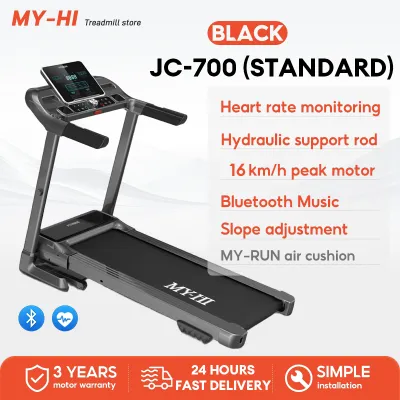
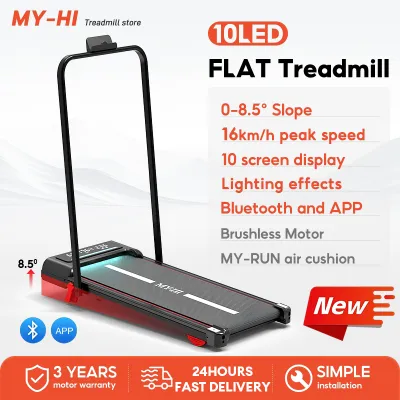
Treadmills focus on natural human gait, making them highly intuitive to use. Walking and running are weight-bearing exercises, which are essential for maintaining and improving bone density over time. This machine primarily recruits the lower body, including the calves, hamstrings, quadriceps, and glutes, while requiring continuous core stabilization to maintain an upright posture. Because running involves eccentric muscle contractions—where muscles lengthen under tension—it tends to build functional lower-body strength but may require longer recovery times between intense sessions.
Products mentioned in this guide
Prices are valid at publication and may change. Please refer to the product page for the latest price.
Spin bikes offer a seated, low-impact cardiovascular workout that primarily targets the quadriceps and glutes, with secondary engagement of the hamstrings and calves. Because your feet remain clipped or strapped into the pedals, the movement is highly controlled. Spin bikes utilize adjustable resistance flywheels, making them exceptionally effective for high-intensity interval training (HIIT) and simulating steep hill climbs. Unlike running, cycling is predominantly concentric, meaning it causes less muscle soreness and allows for quicker recovery, making it ideal for daily training.
Rowing machines provide a comprehensive full-body workout that engages approximately 86 percent of the body’s skeletal muscle mass. The rowing stroke is a continuous pulling motion that balances the posture-shortening effects of prolonged sitting. The movement follows a strict sequence: the drive begins with a powerful leg push, transitions to core stabilization, and finishes with a smooth pull from the back and arms. This balanced recruitment makes the rowing machine an excellent tool for simultaneously building cardiovascular endurance and upper-body pulling strength.
When comparing these machines, avoid relying on generic calorie-burn estimates displayed on retail websites or console screens. Calorie expenditure is highly individual and depends on variables such as body weight, metabolic rate, and actual exertion levels. Instead, check the manufacturer specifications for resistance types—such as magnetic, air, or water resistance—and incline capabilities to determine how customizable and challenging your workouts will be.
Space, Storage, and Noise Considerations for Home Gyms
The physical footprint of your equipment is a critical factor, especially when designing a home gym in a compact apartment or condominium. A treadmill typically requires the largest active floor space, often measuring around two meters in length and nearly a meter in width. While many home models feature folding decks that lift upward when not in use, they remain bulky, heavy, and difficult to move once assembled. You must also account for safety clearance space behind and beside the belt.

Spin bikes offer the most compact active footprint, making them ideal for tight corners or dedicated workout alcoves. However, they rarely fold, meaning their footprint remains constant. Rowing machines have a long, narrow profile during use, requiring significant floor length. Fortunately, many rowers are designed with upright storage capabilities, allowing you to stand the machine vertically against a wall or fold the frame in half to reclaim floor space when your workout is complete.
Acoustic impact is another vital consideration for shared living spaces or multi-story homes. Treadmills generate the most noise, combining the hum of an electric motor with the repetitive, high-impact thud of footstrikes, which can easily vibrate through floors and disturb neighbors. Spin bikes with magnetic resistance are exceptionally quiet, producing only a soft whir. Rowing machines vary by resistance type; magnetic rowers are nearly silent, whereas air-resistance rowers generate a noticeable wind noise from the spinning flywheel, and water rowers produce a rhythmic splashing sound.
Before finalizing a purchase from an online marketplace, measure your designated workout area carefully. Verify the product’s fully assembled dimensions, required clearance space on all sides, and ceiling height—particularly for treadmills, as running on an incline raises your head significantly closer to the ceiling. Additionally, if you plan to place heavy cardio equipment on upper floors or balconies, verify the structural load limits of your home and ensure the area is protected from tropical humidity and rain to prevent premature rust.
Joint Impact and Safety Profiles
Your physical condition, joint health, and injury history should heavily influence your choice of cardio equipment. Running on a treadmill is a high-impact activity that subjects your knees, ankles, and hips to repetitive shock. To mitigate this, look closely at the manufacturer’s deck cushioning technology, which absorbs a portion of the impact. Opting for a wider and longer belt width also provides a safer, more forgiving running surface that accommodates natural stride variations.
Spin bikes provide a closed-chain, low-impact alternative where your feet remain in constant contact with the pedals. This design minimizes joint stress, making it highly suitable for individuals recovering from joint injuries or those with balance concerns. However, proper bike fitting is essential to prevent strain. Incorrect seat height or handlebar positioning can lead to localized pain in the patella or lower back, so you must adjust the machine to match your body measurements.
Rowing machines offer a unique combination of high-intensity cardiovascular training and zero-impact movement. Because you are seated, there is no gravitational impact on your joints, making it gentle on the hips and knees. However, rowing requires strict adherence to proper form. Initiating the pull with your lower back rather than driving with your legs can lead to acute lumbar strain, meaning users must commit to learning the correct stroke technique.
If you have pre-existing joint issues, balance limitations, or cardiovascular conditions, consult a qualified healthcare professional before starting any new exercise regimen. Always utilize built-in safety features, such as the safety stop key on a treadmill, which clips to your clothing and immediately cuts power if you slip. Ensure you have the physical mobility required to mount and dismount each machine safely, especially low-profile rowing machines.
Evaluating Budget and Long-Term Value
Cardio machines generally fall into three price tiers: entry-level, mid-range, and commercial-grade. Entry-level models often feature lighter frames, lower weight capacities, and basic LCD monitors. Mid-range and commercial-grade options offer heavier steel frames, more powerful motors for treadmills, smoother resistance mechanisms, and advanced console technology with interactive training programs. Investing in a sturdier frame generally yields a smoother, safer workout experience and greater long-term durability.
Long-term value depends heavily on regular maintenance and durability. Treadmills require periodic belt alignment and silicone lubrication to prevent motor strain. Spin bikes may need belt tension adjustments or brake pad replacements if they use friction resistance, while rowing machines require chain lubrication or water treatment tablets if they utilize a water tank. In warm, humid climates, sweat can quickly corrode metal frames, making post-workout wipe-downs and rust-resistant coatings essential.
Before purchasing, carefully review the manufacturer’s warranty terms, distinguishing between the coverage periods for the frame, parts, and labor. Verify whether there are authorized local service centers in the Philippines, as sourcing replacement parts or securing professional repairs can be challenging and costly if local support is unavailable. A longer warranty on the motor and frame is a strong indicator of manufacturing quality.
When browsing e-commerce platforms, remember to factor in heavy-item shipping fees, assembly services, and return policies. Because these machines are exceptionally heavy, returning a defective or unsuitable unit can incur significant logistical hurdles and expenses if not covered by the seller. Opting for sellers that offer professional home delivery and assembly can prevent damage during setup.
Final Decision Framework: Matching Equipment to Your Lifestyle
To finalize your decision, match your primary lifestyle constraints and fitness goals to the specific strengths of each machine.
Choose a treadmill if your primary goal is running or walking conditioning, you want to build bone density, you have ample floor space, and you do not have pre-existing joint pain.
Choose a spin bike if you have limited floor space, live in a multi-story building where noise must be kept to a minimum, prefer high-intensity interval training, or require a low-impact workout.
Choose a rowing machine if you want a highly efficient, full-body workout that targets both upper and lower muscle groups, have sufficient room length for operation, and are willing to learn proper rowing technique.
Verify first if you have any physical limitations. If you suffer from chronic lower back pain, verify that you can maintain proper posture on a rowing machine. If you have balance issues, a spin bike or a treadmill with sturdy handrails is safer than a rowing machine.
Before checking out, perform a final pre-purchase inspection of the product specifications. Ensure the machine’s maximum user weight limit accommodates all household users with a safe buffer. Check the maximum user height compatibility, and confirm that the electrical requirements match the standard 220V power outlets used in the Philippines to avoid damaging the console or motor.

Community discussion
Share your experience or ask a question. Comments are reviewed before publication.