
Selecting a suitable boxing glove requires balancing your training discipline, hand structure, and the specific demands of your workouts. Among Muay Thai and boxing enthusiasts, Twins Special remains a highly regarded brand, with the BGVL3, BNG3, and BNL3 representing three of its most prominent models. While they share the brand’s signature high-density padding and premium leather construction, they are engineered for distinct training styles and user preferences. There is no single universal option that excels in every scenario; instead, the right choice depends on whether you prioritize quick transitions during solo bag work, enhanced wrist stabilization during heavy sparring, or aesthetic variety.
In tropical climates like the Philippines, where high humidity and intense heat accelerate sweat buildup, choosing the right glove also involves evaluating daily comfort, ventilation, and maintenance. A glove that fits comfortably in a cool showroom might feel restrictive or overly damp during an intense session in a local gym. By understanding the structural differences, closure mechanics, and design intentions of the BGVL3, BNG3, and BNL3, you can select a model that supports your technique while standing up to the rigors of daily training.
Decoding the Design: BGVL3 vs BNG3 vs BNL3
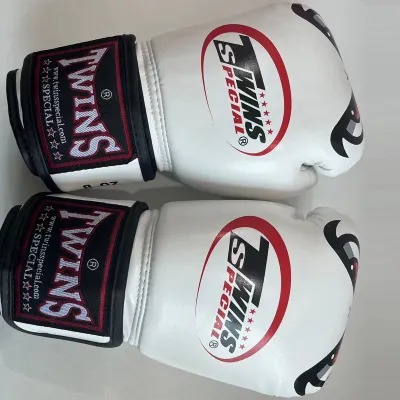
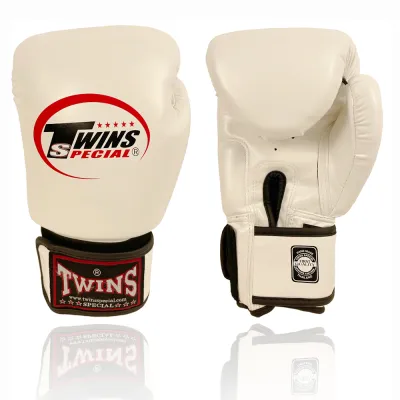
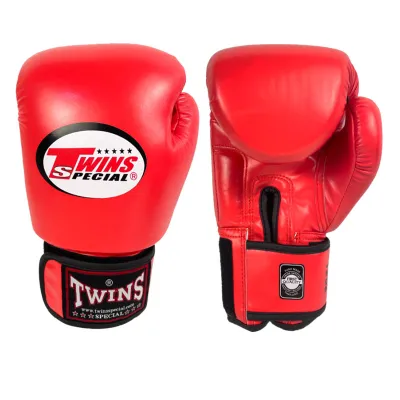
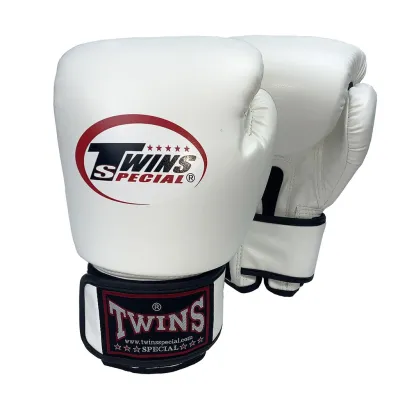
To make an informed decision, you must first look at the structural blueprints of these three models as defined by the manufacturer’s specifications. The BGVL3 is the flagship hook-and-loop (Velcro) model, widely recognized as the standard for Muay Thai training. It features a relatively short, thick cuff designed to allow wrist flexibility during clinching while still providing a wide band of support. The padding is distributed generously across the knuckles and the back of the hand, which helps cushion the impact when blocking kicks or elbows.
Products mentioned in this guide
![TWINS SPECIAL BGVLA2 Airflow Boxing Gloves [White]](https://img.lazcdn.com/g/p/mdc/d14cd9261a2670dca716fe1db1195cc0.jpg_400x400q80.jpg_.webp)
![Twins Special BGVLA2 Airflow Boxing Gloves [Red]](https://img.lazcdn.com/g/p/mdc/6f1933c9cee8d017be6cead78b210227.jpg_400x400q80.jpg_.webp)
![Twins Special BGVLA2 Airflow Boxing Gloves [Black]](https://img.lazcdn.com/g/p/e48a9d2a4f9e7004e009361f24d13422.png_400x400q80.png_.webp)
![Twins Special High Quality Synthetic Leather KIDS Boxing Gloves Large/4.OZ [Black]](https://img.lazcdn.com/g/p/6e79e08bf18a3f265567274ec5f67040.png_400x400q80.png_.webp)
Prices are valid at publication and may change. Please refer to the product page for the latest price.
The BNG3 shares the core structural DNA of the BGVL3 but is distinguished primarily by its aesthetic finishes and graphic designs. While the BGVL3 typically features solid, classic colors, the BNG3 series incorporates printed patterns, metallic finishes, or multi-color panels. When evaluating the BNG3, it is important to check the manufacturer’s product tag to verify if the specific graphic model uses the same genuine leather outer shell as the BGVL3 or if it utilizes a specialized synthetic blend designed to preserve the printed graphics over time.
The BNL3 represents the traditional lace-up variation within this lineup. Unlike the hook-and-loop closures of the BGVL3 and BNG3, the BNL3 utilizes a full lace system that runs from the palm down to the bottom of the cuff. This structural difference significantly alters the glove’s profile. The cuff on the BNL3 is typically longer and slimmer, providing a highly customized, secure fit around the wrist. This design minimizes wrist play and ensures the glove remains well aligned with your forearm, though it sacrifices the convenience of quick, independent removal.
Aligning Glove Features With Your Training Focus
Different training activities place unique demands on your hands and wrists. The density of a glove’s padding and its overall shape dictate how well it absorbs impact, protects your training partners, and allows you to execute specific techniques. Rather than assuming one glove can handle every task, you should evaluate how each model’s design aligns with your primary training focus.

Sparring and Partner Drills
For sparring and partner drills, your primary concern is the safety of both yourself and your training partner. This requires a glove with sufficient padding volume and a softer impact profile to disperse force effectively. The BGVL3 and BNG3 models, particularly in weights of 14 ounces or 16 ounces, are highly suited for this purpose due to their pillowy, rounded knuckle padding. The generous padding on the back of these gloves also provides an extra layer of defense when you are catching punches or blocking kicks.
When preparing for sparring, always verify the padding density and the overall surface area of the glove. A larger, more rounded glove profile helps prevent accidental cuts and reduces the concentrated force of an impact. If you prefer the firm wrist security of a lace-up glove, the BNL3 is an excellent sparring option, provided you have a coach or training partner available to tie the laces securely before each round. Remember that protective gear cannot replace proper training, control, and defensive judgment; always prioritize controlled technique over relying solely on glove padding to prevent injuries.
Heavy Bag and Pad Work
Repetitive striking on heavy bags and Thai pads requires a glove that promotes proper fist alignment and offers firm, durable protection. Over time, the high-impact forces of bag work can compress soft sparring foam, reducing its protective qualities. For dedicated bag work, a more compact glove design with firmer padding is often preferred to provide clear tactile feedback upon impact.
The BGVL3 and BNG3 in lighter weights, such as 10 ounces or 12 ounces, offer a more compact profile that allows you to feel your knuckle alignment while striking. When using these models on the heavy bag, check the internal hand compartment to ensure your hand can form a natural, tight fist without straining your thumb. The hook-and-loop closure on these models is highly practical for bag workouts, allowing you to quickly remove your gloves to drink water, adjust your hand wraps, or transition to bodyweight exercises.
Muay Thai Clinch and Defensive Blocking
Muay Thai training involves unique grappling maneuvers, such as the clinch, which require a high degree of hand mobility and flexibility. Traditional boxing gloves often lock the hand into a rigid, closed-fist position, making it difficult to open the palm to catch kicks or control an opponent’s neck. The BGVL3 and BNG3 are specifically engineered with a more open-palm design and a flexible thumb attachment to facilitate these grappling movements.
The shorter cuff of the BGVL3 and BNG3 models allows your wrist to bend more freely, which is essential for maneuvering your hands inside the clinch or executing defensive checks. In contrast, the longer, stiffer cuff of the lace-up BNL3 provides exceptional support for straight punching but may restrict the wrist mobility needed for complex clinching drills. Before choosing, consider how much of your training involves active grappling versus pure striking.
Evaluating Fit, Closure, and Daily Comfort
The internal fit of a glove is just as important as its external features. Twins Special gloves are characterized by a snug, compact internal hand compartment that conforms to your hand shape over time. This snug fit is highly beneficial for preventing your hand from shifting inside the glove during high-impact training, but it requires careful sizing, especially if you wear thick hand wraps.
For those who train alone in local gyms or home setups, the practical ease of putting on and taking off your gear is a major daily consideration. The hook-and-loop closure of the BGVL3 and BNG3 allows you to secure and remove the gloves independently in seconds. The lace-up BNL3, while offering highly customized wrist support, is highly impractical for solo training, as tying the laces on your second hand without assistance is nearly impossible. If you choose the BNL3, ensure your training environment consistently provides the support needed to secure your gear.
In the warm and humid climate of the Philippines, managing sweat and moisture is critical for both comfort and glove longevity. Excess moisture inside a glove can lead to rapid bacterial growth, unpleasant odors, and the premature breakdown of the leather and internal padding. When comparing these models, check the lining material for moisture-wicking properties and look for ventilation holes along the palm and thumb. Because the BGVL3 and BNG3 feature an open-palm design, they generally allow for slightly better airflow than more enclosed boxing models, but diligent post-workout care—such as wiping down the interiors and using glove deodorizers—remains essential.
Your Conditional Decision Framework
To select the model that best aligns with your training routine, apply the following condition-based framework:
- Choose the BGVL3 if: You want a versatile, durable, and classic Muay Thai glove with a hook-and-loop closure that allows for quick transitions during solo training, excellent hand mobility for clinching, and ample padding for blocking kicks.
- Choose the BNG3 if: You appreciate the proven structural design and fit of the BGVL3 but prefer unique graphic patterns, metallic finishes, or distinct aesthetic styles to stand out in the gym, while verifying the specific material composition on the product tag.
- Choose the BNL3 if: You prioritize maximum wrist stability and alignment, focus heavily on traditional boxing or structured sparring, and always train with a partner or coach who can assist you with securing the lace-up closure.
Before finalizing your choice, verify several key factors to ensure a proper fit. If you have a history of wrist instability or previous hand injuries, you may require the enhanced support of the lace-up BNL3 or a thicker hand wrap configuration, which will affect the glove size you need. Always consult the manufacturer’s official sizing and weight charts, check the stock availability at authorized local retailers, and review the return policies to ensure you can exchange the gloves if the internal compartment does not accommodate your hand wraps comfortably.
Frequently Asked Questions (FAQ)
How do I properly break in new Twins Special boxing gloves?
Breaking in new Twins Special gloves should always be done naturally to preserve the structural integrity of the leather and padding. Begin by wearing them during light shadow boxing and technical partner drills, allowing the leather to stretch and conform to your hand shape gradually. You can also perform light work on a soft heavy bag or focus mitts. Avoid using artificial heat sources, such as hair dryers or direct sunlight, and do not apply unauthorized leather softeners or oils, as these can degrade the specialized foam padding and void the manufacturer’s warranty.
What size gloves should I buy for sparring versus bag work?
The appropriate glove size depends on your body weight, training goals, and gym regulations. For heavy bag and pad work, lighter gloves ranging from 10 ounces to 12 ounces are standard, as they allow you to focus on speed, technique, and proper fist alignment. For sparring, heavier gloves—typically 14 ounces or 16 ounces—are required by most gyms to provide a thicker protective barrier for your training partners. Always verify the specific rules of your gym and consult the manufacturer’s weight-to-size conversion charts before making a purchase.

Community discussion
Share your experience or ask a question. Comments are reviewed before publication.