
Selecting the right football requires a close look at its physical specifications, as these details directly dictate how the ball feels on your foot, how it flies through the air, and how long it lasts on the pitch. For the Dolphin B football, understanding these key specifications—ranging from its outer casing material to its internal bladder construction—allows you to determine if it aligns with your specific playing style and training needs. Because footballs are engineered for different skill levels, age groups, and playing surfaces, verifying these technical details on the product packaging or manufacturer’s specification sheet is the most reliable way to ensure optimal performance.
Decoding the Outer Material and Surface Texture
The outer cover of a football is your primary point of contact, making it the most critical factor for touch and control. When evaluating the Dolphin B football, check the product label or official specifications to identify whether the casing is made of polyurethane (PU), polyvinyl chloride (PVC), synthetic leather, or rubber. Each material offers distinct performance characteristics that suit different playing styles and environments.
Polyurethane (PU) is highly favored for match play because it provides a soft, responsive touch and excellent scuff resistance, though it can be more sensitive to rough surfaces. Polyvinyl chloride (PVC) is typically harder and more durable, making it a practical choice for intense training sessions or rougher playing fields where abrasion resistance is a priority. If you observe a rubberized casing, this indicates a ball designed primarily for concrete, gravel, or street play, where durability is prioritized over a soft touch.
Products mentioned in this guide
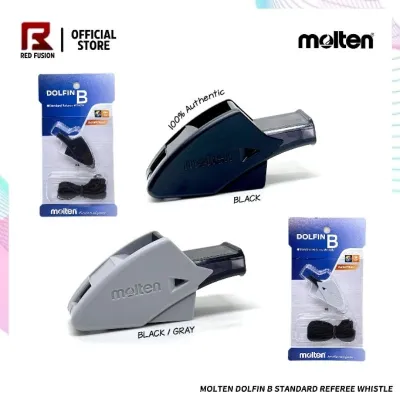
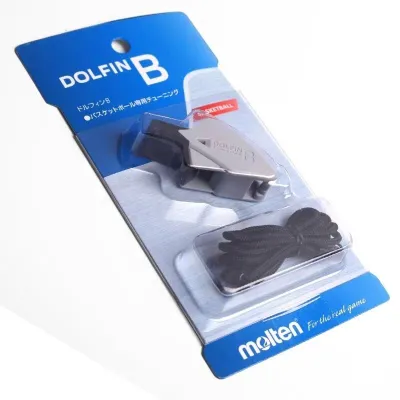
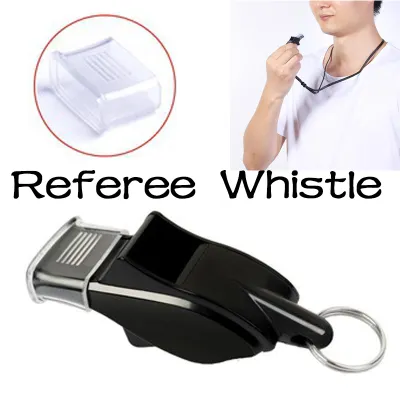
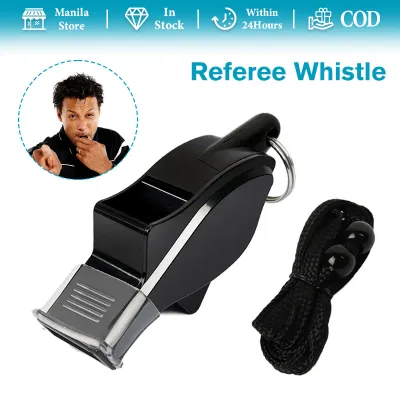
Prices are valid at publication and may change. Please refer to the product page for the latest price.
Additionally, inspect the surface texture of the ball. A textured or dimpled surface enhances grip between your boot and the ball, which improves control during dribbling and passing, especially in damp conditions. A completely smooth surface, while aerodynamic, may feel more slippery when wet.
Evaluating Construction and Bladder Types
The internal construction of a football determines how well it retains its spherical shape and how consistently it bounces. To assess the build quality of the Dolphin B football, look at the manufacturer’s specifications to see how the panels are joined together. The three primary assembly methods are machine-stitching, hand-stitching, and thermal bonding.

Machine-stitched balls are common for recreational use and training; they offer a reliable feel but have exposed seams that can absorb water. Hand-stitched balls feature deeper, tighter seams that provide excellent durability and shape retention over time. Thermally bonded balls are seamless, which virtually eliminates water absorption and ensures a highly consistent trajectory through the air.
Inside the ball, the bladder holds the air and dictates the responsiveness of the bounce. Check whether the model uses a butyl or latex bladder. Butyl bladders are excellent for air retention, meaning you will not need to pump the ball before every session, though they can feel slightly stiffer. Latex bladders offer a much softer feel and a more responsive bounce, but they leak air slowly over time and require regular inflation. You should also check if the ball features multi-layered polyester or cotton backing between the bladder and the casing, as these layers reinforce the structure and prevent warping.
Checking Size, Weight, and Pressure Standards
Before taking the Dolphin B football to the pitch, verify that its physical dimensions and inflation requirements match your age group and playing level. Footballs are categorized into standard sizes, with Size 5 being the official size for players aged 12 and older, including adults. Size 4 is designed for youth players aged 8 to 12, while Size 3 is meant for younger children learning basic skills.
Weight is another crucial specification to verify, especially if you plan to use the ball for official matches. Standard match balls typically weigh between 410 and 450 grams. You can verify this by checking the product packaging or using a simple kitchen scale to ensure it meets standard federation guidelines.
Proper inflation is vital for maintaining the ball’s structural integrity and ensuring a predictable bounce. Locate the recommended inflation pressure, usually printed in PSI (pounds per square inch) or bar, right next to the inflation valve. Adhering strictly to this manufacturer-specified limit prevents the seams from overstretching and protects the internal bladder from rupturing during high-impact play.
Matching Specifications to Your Playing Environment
To get the most out of your equipment, match the verified specifications of the Dolphin B football to the surfaces and weather conditions you encounter most often. If your local pitch is natural grass or modern artificial turf, a soft PU casing with hand-stitched or thermally bonded seams will deliver the best touch and flight consistency. For concrete barangay courts or hard dirt fields, a durable PVC or rubber casing is highly recommended to withstand the abrasive ground.
The tropical climate of the Philippines presents unique challenges, including high humidity, intense heat, and sudden heavy downpours. If you frequently play during the rainy season, a thermally bonded ball is highly advantageous because its seamless construction prevents water from seeping into the inner layers, keeping the ball from becoming heavy and waterlogged.
Finally, always consult the manufacturer’s care instructions to preserve the ball’s performance traits. Storing the ball in a cool, dry place away from direct sunlight is essential in tropical environments, as prolonged exposure to extreme heat can dry out the outer casing, weaken the adhesives, and cause the bladder to leak.
Frequently Asked Questions (FAQ)
How do I properly inflate the Dolphin B football without damaging the valve?
To protect the internal valve mechanism, always moisten the inflation needle with water or a recommended lubricant before inserting it. Insert the needle straight into the valve rather than at an angle to avoid tearing the rubber core. Pump the air in slowly using a manual hand pump until you reach the manufacturer’s recommended PSI printed on the ball, and avoid using high-pressure air compressors which can easily rupture the bladder.
What is the best way to clean the ball after playing on muddy or artificial turf pitches?
After playing on muddy fields or turf pitches that leave black rubber marks, wipe the ball down using a soft cloth dampened with warm water and mild soap. Avoid using harsh chemical detergents, solvents, or abrasive brushes, as these can strip away the outer casing’s protective coating and ruin the surface texture. Once clean, allow the ball to air-dry naturally in a shaded, well-ventilated area away from direct sunlight or heat sources.

Community discussion
Share your experience or ask a question. Comments are reviewed before publication.