
Selecting the right basketball requires a clear understanding of how its physical specifications translate to real-world performance on the court. The Molten BG2000 is a widely recognized entry-level basketball, frequently chosen for its durability and accessible design. By examining its size, cover material, and internal construction, you can determine whether this specific model aligns with your playing style, skill level, and local court conditions.
Understanding these technical details helps you make an informed decision, ensuring that your gear supports your development rather than hindering your handling or shooting form. Whether you are practicing solo drills on an outdoor concrete court or playing a casual pickup game with friends, the physical properties of the ball dictate every bounce, pass, and shot.
Key Specifications to Check on the Molten BG2000
Before purchasing or inflating your basketball, it is essential to verify its physical dimensions and recommended setup parameters. The Molten BG2000 is manufactured in several standard sizes, typically including Size 7, Size 6, and Size 5. Size 7 is the standard size for adult male players and official senior leagues, while Size 6 is designed for female players and youth divisions, and Size 5 serves junior players. Matching the ball size to the player’s age and hand size is crucial for developing proper shooting mechanics and ball-handling control.
Products mentioned in this guide
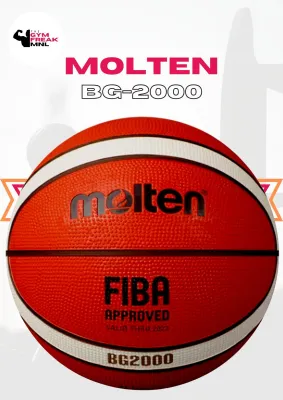
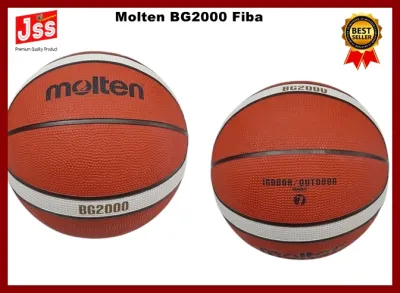
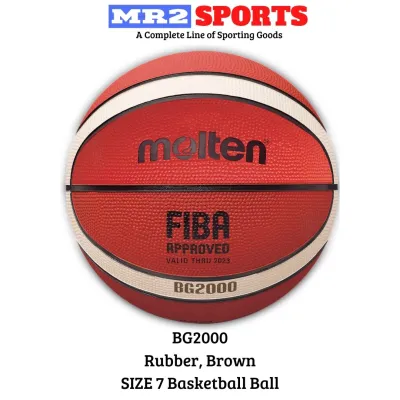
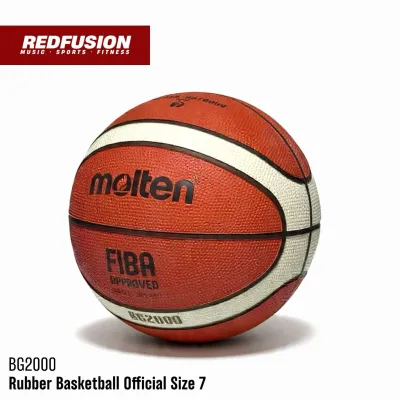
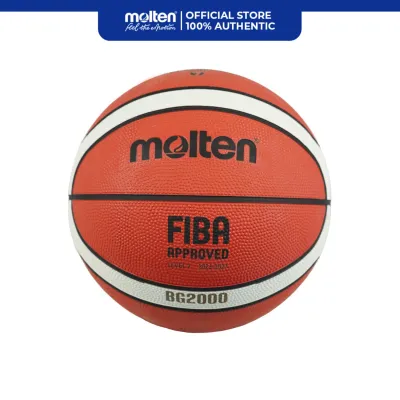
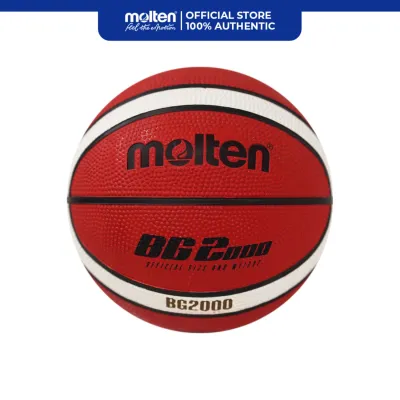
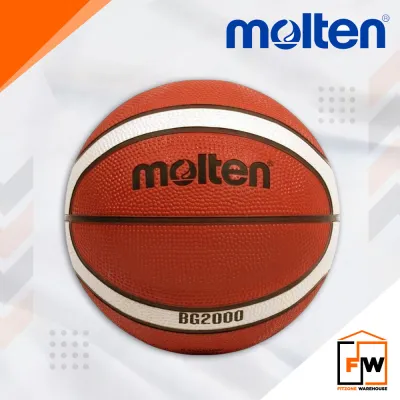
Prices are valid at publication and may change. Please refer to the product page for the latest price.
Rather than relying on general assumptions, always inspect the product labels or the print on the ball itself to verify the official weight and circumference tolerances. Standard basketballs must fall within specific weight ranges to ensure they do not feel overly heavy or light during play. A ball that deviates from these standards can negatively affect your muscle memory, making it difficult to transition to official game balls later on.
Additionally, you must check the manufacturer’s recommended inflation pressure range, which is typically printed directly near the inflation valve. Maintaining the correct pressure—usually measured in pounds per square inch (PSI) or bars—is vital for preserving the structural integrity of the inner bladder. Over-inflation can cause the ball to warp or even burst under high impact, while under-inflation leads to a sluggish, unpredictable bounce that disrupts the rhythm of your game.
How Material and Surface Texture Impact Ball Handling
The cover material of a basketball is the primary factor determining its grip, tactile feel, and suitability for different playing environments. The Molten BG2000 features a durable rubber cover, which is engineered to withstand the abrasive nature of rough outdoor surfaces. When examining the ball, check the material labels to confirm its intended use, as rubber construction is highly resilient but offers a different tactile experience compared to synthetic or composite leather.

Surface texture plays a critical role in how securely you can hold and control the ball during fast-paced play. The BG2000 utilizes a pebbled surface texture designed to maximize friction between your hands and the ball. Evaluating the depth of these pebbles and the width of the channels is essential; deeper channels allow for better finger placement, which directly aids in generating backspin during a shot and maintaining control during crossovers.
In tropical climates where high humidity and sweat are constant factors, moisture management becomes a key consideration. Unlike premium composite leather, which may absorb a small amount of moisture, a rubber surface tends to let sweat pool on the exterior. To maintain a reliable grip during intense games, players should observe how the surface behaves when wet and keep a towel nearby to wipe the ball down periodically, ensuring consistent handling throughout your session.
Evaluating Bounce, Core Technology, and Durability
A basketball’s performance is not just skin-deep; its internal construction determines how consistently it bounces and how well it retains its shape over time. The core of the Molten BG2000 relies on a dedicated bladder and winding technology designed to maintain air pressure and structural roundness. When evaluating this model, check the manufacturer’s specifications regarding the bladder material—such as butyl rubber—which is known for its excellent air retention properties compared to natural latex.
To verify the consistency of the bounce, you can perform a simple, non-destructive drop test on a flat, hard surface like concrete or hardwood. Hold the basketball at eye level (approximately 1.8 meters) and let it drop freely without adding downward force. A properly inflated, high-quality basketball should bounce back up to approximately waist height; an uneven or low bounce can indicate a faulty bladder, air leakage, or incorrect inflation pressure.
Durability is especially important if you frequently play on outdoor courts. Inspect the seam construction and the thickness of the rubber cover to estimate how well the ball will resist abrasion from concrete or asphalt. Look closely at the area around the inflation valve to ensure there are no visible gaps or loose seals, as valve leaks are a common cause of premature flat balls. A robustly sealed valve and thick outer cover are reliable indicators of a ball built for longevity.
Matching the BG2000 to Your Playing Environment and Skill Level
Choosing the right basketball depends heavily on where you play and your current skill level. The rubber construction of the Molten BG2000 makes it highly compatible with rough outdoor courts, such as concrete neighborhood spaces or outdoor school yards. While composite leather balls can degrade quickly on these abrasive surfaces, a quality rubber ball maintains its structural integrity and grip despite constant contact with dust and rough ground.
For beginners and recreational players, the pronounced grip of a rubber basketball is highly beneficial. It helps players with smaller hands or developing grip strength to secure the ball during passes and layups. However, advanced players accustomed to the soft, cushioned feel of indoor composite leather might find the rubber cover stiffer and less responsive during high-level shooting practice.
Finally, safety and performance require you to recognize when a basketball has reached the end of its lifespan. You should stop using the ball and seek a replacement if you observe significant warping, exposed inner threads, persistent air leaks, or if the pebbled texture has worn completely smooth. Playing with a deformed or bald basketball can lead to unpredictable bounces, increasing the risk of finger jams or turnovers during active play.
Frequently Asked Questions (FAQ)
Is the Molten BG2000 officially approved for professional leagues?
To determine if a specific basketball is approved for official league play, you should look for official federation logos, such as the FIBA (International Basketball Federation) approval stamp, printed directly on the surface of the ball or its packaging. While Molten is a prominent manufacturer that produces many FIBA-approved match balls, entry-level rubber models like the BG2000 are typically designed for training, recreational play, and outdoor use rather than official professional tournaments. Always verify the current approval status and league requirements through the manufacturer’s official website or authorized retail documentation before purchasing a ball for competitive league play.
How do I properly maintain the grip and shape of this basketball?
To preserve the grip and shape of your basketball, store it in a cool, dry indoor environment away from direct sunlight, extreme heat, or high humidity, which can degrade the rubber cover and weaken the internal bladder. Clean the surface regularly by wiping it down with a damp cloth and a small amount of mild soap to remove dirt, sweat, and court dust; avoid using harsh chemical solvents or abrasive brushes that can wear down the pebbled texture. Additionally, always use a calibrated inflation pump with a pressure gauge and a lubricated inflation needle to check and adjust the air pressure, ensuring the ball remains within the manufacturer’s recommended PSI range to prevent warping.

Community discussion
Share your experience or ask a question. Comments are reviewed before publication.