
A size 3 football is the smallest standard match ball used in organized youth football, specifically designed for children aged 8 and under. It features a reduced circumference and lighter weight compared to adult balls, making it easier for young players to develop fundamental footwork, passing, and shooting skills.
In the Philippines, where youth football programs and weekend academy training sessions are rapidly growing on both grass fields and concrete barangay courts, choosing the right ball size is crucial. Using a ball that matches a child’s physical development prevents early fatigue and helps them build confidence as they learn the beautiful game.
What Are the Standard Specifications of a Size 3 Football?
Typically, a standard size 3 football has a circumference of about 58 to 61 centimeters (23 to 24 inches) and a weight ranging between 310 and 340 grams (11 to 12 ounces). These dimensions are carefully calibrated to suit the physical proportions of young children, ensuring the ball is neither too heavy to kick nor too large to control.
Products mentioned in this guide
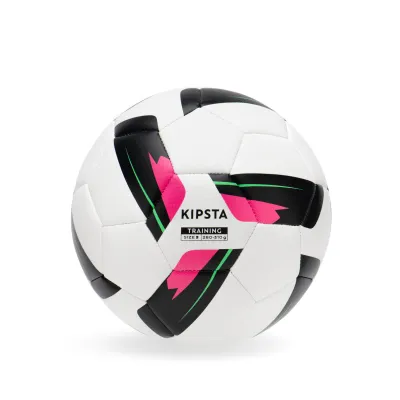
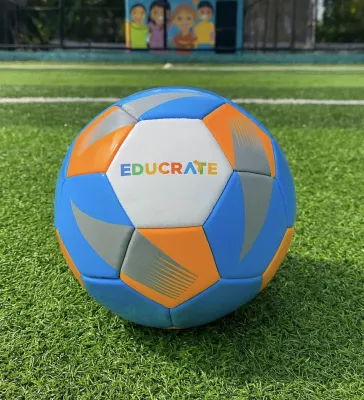
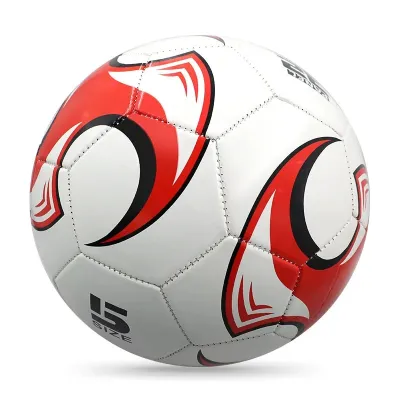
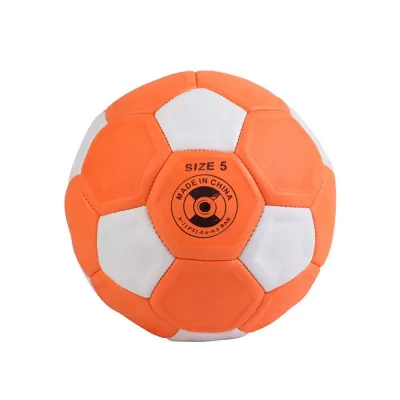
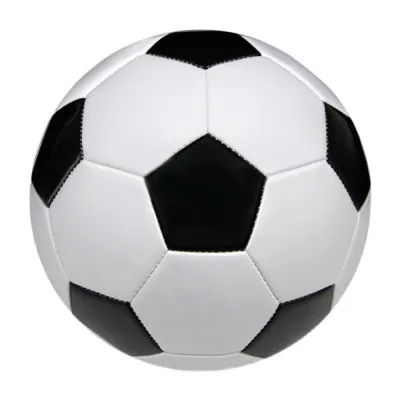
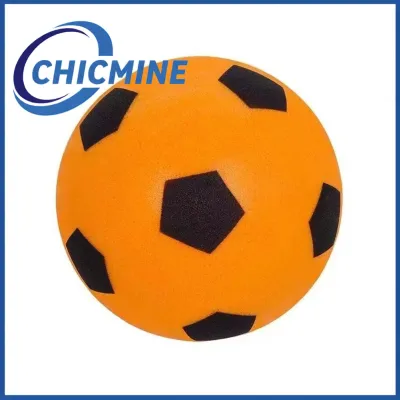
Prices are valid at publication and may change. Please refer to the product page for the latest price.
Parents should always verify these exact measurements on the manufacturer’s label or product description before purchasing, as slight variations exist between brands and specific models. Some recreational balls might prioritize lightweight designs, while match-grade options adhere strictly to official youth league standards.
The reduced weight and smaller circumference are engineered to help young players control the ball without straining their developing muscles and joints. A standard size 5 ball is too heavy and large, which can lead to improper kicking techniques or even strain injuries in young children. With a size 3 ball, kids can practice repetitive drills like dribbling and passing with a natural stride and proper biomechanics.
Which Age Group Should Use a Size 3 Football?
The primary target demographic for a size 3 football is children under the age of 8 or 9, often categorized as Under-8 (U8) or Under-6 (U6) in youth leagues and local academies. At this stage of physical development, children are still refining their motor skills, balance, and spatial awareness.

Using the correct size ball offers significant developmental benefits, such as improving dribbling, passing accuracy, and building confidence. A smaller ball allows them to make clean contact, execute successful passes, and experience the satisfaction of scoring goals, which builds long-term confidence and enthusiasm for the sport.
While age ranges are a helpful general guide, it is highly recommended to check specific local league, school, or club regulations. In the Philippines, different youth tournaments or weekend leagues (such as local community cups or school athletic associations) may have their own specific age-to-size mappings. Always verify with your child’s coach or the tournament organizer to ensure compliance with their equipment guidelines.
Key Features to Evaluate When Buying a Size 3 Football
The outer casing of a football is usually made of Polyurethane (PU) or Polyvinyl Chloride (PVC). PU casings offer a softer touch, better responsiveness, and higher durability, making them excellent for regular training sessions. PVC casings are typically more budget-friendly and highly resistant to wear, making them a practical choice for casual play on rougher surfaces, though they tend to feel stiffer.
The bladder inside the ball holds the air and determines its bounce and shape retention. Butyl bladders are known for excellent air retention, meaning you will not have to pump the ball before every single practice session. Latex bladders, on the other hand, offer a much softer feel and a more responsive bounce, but they tend to lose air more quickly and require frequent inflation.
Look closely at how the panels are joined. Machine-stitched balls are common for youth play, offering a good balance of durability and affordability. Hand-stitched or thermally bonded options provide superior water resistance, which is particularly important during the wet, rainy season in the Philippines when fields can become waterlogged. A textured surface can also help young players maintain better grip and control in humid or damp conditions.
When Should a Child Transition to a Larger Football Size?
As children grow, their physical strength and skill levels will eventually outpace the capabilities of a size 3 ball. You might notice your child easily outkicking the ball, or the ball appearing to fly too far or feel too light and unstable during practice. If they are consistently striking the ball with excessive force just to make a standard pass, it may be time to upgrade.
The standard progression is to transition to a size 4 football, which is designed for children aged 8 to 12 (U9 to U12). A size 4 ball bridges the gap between the youth size and the official adult size 5, helping players adapt to a heavier weight and larger circumference gradually.
Before purchasing a new ball, consult your child’s coach or check the updated guidelines of their local league. Transitioning too early can hinder skill development, while transitioning too late might leave them unprepared for competitive matches.
Frequently Asked Questions (FAQ)
Can a size 3 football be used for indoor or futsal play?
While a standard size 3 outdoor football can be used for casual play on indoor courts or concrete barangay spaces, it is not ideal for official futsal. Futsal requires a specialized ball that is typically smaller (often similar in size to a size 3 or 4) but significantly heavier and designed with a low-bounce bladder to suit hard court surfaces. If your child is participating in organized indoor or futsal training, check the product label or packaging to ensure it is specifically rated for futsal or indoor court play.
How often should I check the air pressure of a youth football?
It is best practice to check the air pressure of a youth football before every training session or match. Smaller bladders, especially those made of latex, naturally lose air over time, and playing with an under-inflated ball can negatively affect a child’s ability to learn proper kicking techniques. Always locate the manufacturer’s recommended pressure (usually measured in PSI or bar) printed directly near the inflation valve. Use a reliable ball pump equipped with a pressure gauge to avoid over-inflation, which can damage the seams and make the ball too hard for young players.

Community discussion
Share your experience or ask a question. Comments are reviewed before publication.