
The Mikasa V330W is a popular club-level training volleyball designed to offer a balance of durability, consistent flight, and standard handling characteristics. Built with an 18-panel aerodynamic design and a laminated synthetic leather cover, this model serves as an accessible option for school training, local club practices, and recreational indoor games. Understanding its exact specifications helps players and coaches determine if it aligns with their specific training goals and playing environments.
Key Specifications to Verify on the Mikasa V330W
To establish a baseline for performance and authenticity, players should first verify the official size, weight, and physical dimensions of the ball. The Mikasa V330W is designed as a standard Size 5 volleyball, which is the official size used in adult indoor competitions. When inspecting the packaging or manufacturer documentation, verify that the circumference falls within the standard range of 65 to 67 centimeters, and the weight matches the regulation 260 to 280 grams. These dimensions ensure that training with this ball translates directly to standard playing conditions.
Next, locate the recommended inflation pressure printed directly on the ball’s surface, typically near the valve. This specification is usually indicated in kilograms per square centimeter ($kgf/cm^2$) or pounds per square inch (psi). Maintaining the correct air pressure is critical; using a calibrated pressure gauge ensures the ball retains its spherical shape and bounce consistency. Over-inflation can stretch the synthetic panels and damage the internal structure, while under-inflation leads to sluggish responses during play.
Products mentioned in this guide
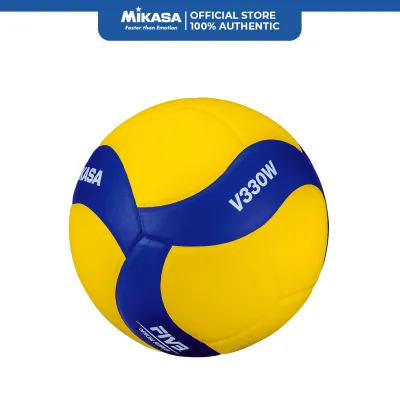
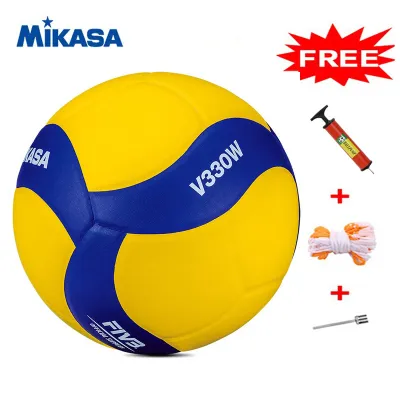
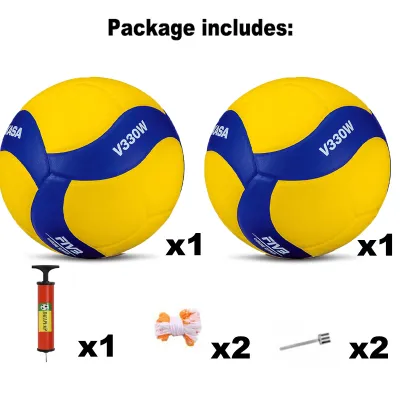
Prices are valid at publication and may change. Please refer to the product page for the latest price.
Finally, check the panel construction and material composition. The V330W features an 18-panel laminated design, which is the modern standard for aerodynamic stability. The surface material is a high-quality synthetic leather composite. Unlike lower-grade rubber balls, this synthetic cover is engineered to provide a softer touch and better durability on indoor court surfaces.
How V330W Specs Translate to On-Court Performance
The physical specifications of the Mikasa V330W directly influence how it behaves during active play, particularly regarding grip, flight stability, and impact feel. The synthetic leather cover offers a smooth yet tactile finish that provides reliable grip during setting and spiking. In tropical climates like the Philippines, where high humidity and sweat are constant factors during indoor games, observing how the material manages moisture is essential. While synthetic leather handles sweat better than natural leather, players should still wipe the ball periodically to maintain optimal handling.

The internal construction of the ball also plays a major role in its flight characteristics. The V330W utilizes a high-retention butyl rubber bladder wrapped in a nylon wound core, which helps maintain a perfectly round shape. Combined with the laminated 18-panel seam design, this construction minimizes air turbulence. This means that when a player executes a float serve or a precise set, the ball’s trajectory remains relatively stable and predictable compared to stitched or unevenly balanced balls.
Durability is another key performance factor tied to the ball’s construction. The laminated synthetic leather is highly resilient against the repeated high-impact forces of spiking and blocking on smooth indoor wooden or synthetic courts. However, players must note that laminated seams are susceptible to peeling if exposed to rough, abrasive outdoor surfaces like concrete or asphalt. Understanding these material limits helps players set realistic expectations for the ball’s lifespan based on where they play.
Matching the Ball to Your Skill Level and Environment
Choosing the right volleyball requires matching the ball’s verified traits to your specific playing environment and skill level. The Mikasa V330W is optimized primarily for indoor gymnasiums. Its laminated synthetic leather cover is sensitive to moisture absorption and rough friction, making it unsuitable for sandy beach setups or outdoor courts where concrete can quickly degrade the outer panels. For outdoor play, a stitched synthetic or specialized outdoor rubber ball is generally a more practical choice.
In terms of skill level, the V330W is positioned as an excellent training and club-level ball. It provides a realistic feel and bounce that closely mimics premium match-tier balls, making it ideal for high school teams, college training sessions, and recreational leagues. However, it does not feature the advanced double-dimple surface texture found on elite-level tournament balls. If you are preparing for high-level national or international competitions, you may eventually need to transition to an officially certified match ball.
Budget is also an important factor in the decision-making process. If the price of the V330W in ₱ exceeds your allocated gear budget, or if you primarily play in rugged outdoor environments, exploring alternative models is a sensible step. Stitched training balls often provide a more forgiving price point and higher resistance to rough surfaces, allowing you to maximize your investment based on your actual playing conditions.
Maintenance and Care Based on Manufacturer Guidelines
Proper maintenance based on manufacturer guidelines is essential to preserve the structural integrity of the Mikasa V330W and extend its usable lifespan. When inflating or deflating the ball, always use a clean, lubricated inflating needle. Applying a drop of glycerin or mild soapy water to the needle before inserting it into the valve protects the self-sealing mechanism from tears and prevents slow air leaks. Never force a dry needle into the valve, as this can dislodge the valve core or puncture the internal butyl bladder.
To clean the synthetic leather surface, use a soft cloth dampened with water and a mild, non-abrasive soap. Avoid using harsh chemical detergents, alcohol-based solvents, or abrasive scrubbing pads, as these substances can dissolve the adhesives holding the laminated panels together and degrade the synthetic material. After cleaning, wipe the ball dry with a clean towel.
Correct storage is equally vital, especially in warm, humid climates. Store the ball in a cool, dry, and well-ventilated space away from direct sunlight and extreme heat sources, such as the trunk of a car. Prolonged exposure to high temperatures and UV rays can warp the internal bladder, weaken the panel adhesives, and cause the synthetic leather to crack or peel.
Frequently Asked Questions (FAQ)
Is the Mikasa V330W an official competition match ball?
No, the Mikasa V330W is designed as a club-level training and recreational volleyball rather than an official international match ball. To verify if a ball is approved for official competition, look for specific federation approval stamps, such as the FIVB logo, printed on the ball’s surface. While the V330W meets standard size and weight specifications, official professional tournaments typically require premium-tier models that feature advanced surface technologies, such as micro-dimpled covers, to enhance grip and flight control under intense competitive conditions.
How can I verify the authenticity of my Mikasa V330W?
To verify the authenticity of your Mikasa V330W, start by inspecting the packaging and physical branding details. Genuine Mikasa balls feature high-quality, crisp printing, official hologram stickers, and precise panel alignment with no visible glue residue along the laminated seams. The inflation valve should be perfectly centered and flush with the ball’s surface. To avoid counterfeit products, always purchase your sports equipment from authorized brand stores or reputable sports retailers on established online marketplaces.

Community discussion
Share your experience or ask a question. Comments are reviewed before publication.