
When shopping for camping tents, the waterproof rating—expressed in millimeters (mm) like 1,500mm or 3,000mm—indicates how much water pressure the fabric can withstand before moisture begins to seep through. Known as the Hydrostatic Head rating, this measurement helps you determine whether a tent can handle a light drizzle, a steady tropical downpour, or the intense moisture of monsoon season. Choosing the right rating ensures you stay dry and comfortable without carrying unnecessary weight or spending more than your budget requires.
While a high rating is reassuring, a tent’s real-world performance depends on more than just a single number. To make an informed decision, you need to understand how this rating is calculated, how it translates to different weather conditions, and what other construction details contribute to keeping you dry during your outdoor adventures.
What Hydrostatic Head (mm) Actually Measures
The millimeter rating on a camping tent refers to the Hydrostatic Head (HH) test, which is the global standard for measuring fabric water resistance. During this laboratory test, a column of water is placed over a piece of taut tent fabric. Technicians gradually increase the height of the water column, which increases the pressure exerted on the material, until water begins to penetrate through three distinct points.
Products mentioned in this guide
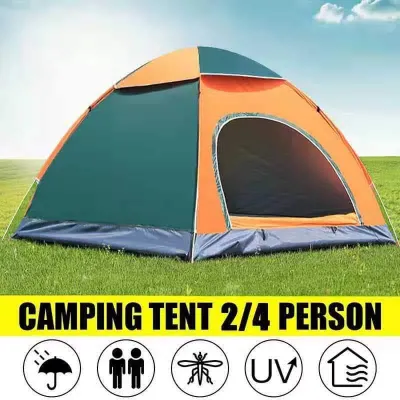
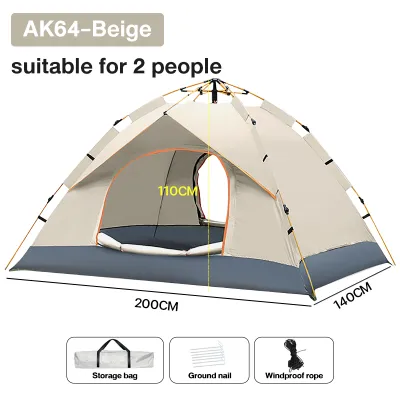
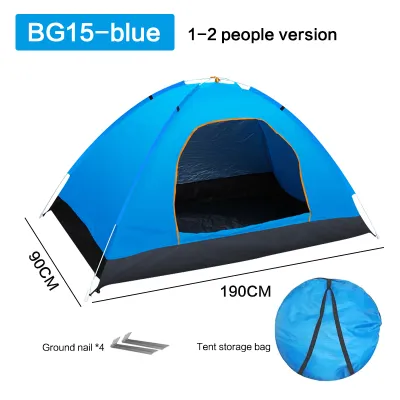

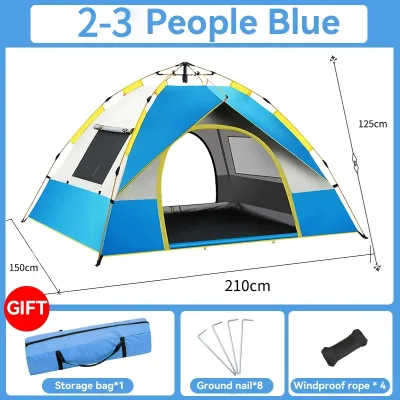
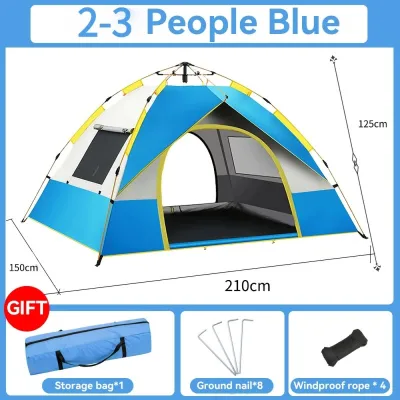
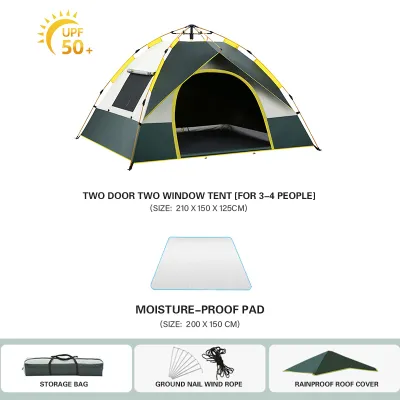
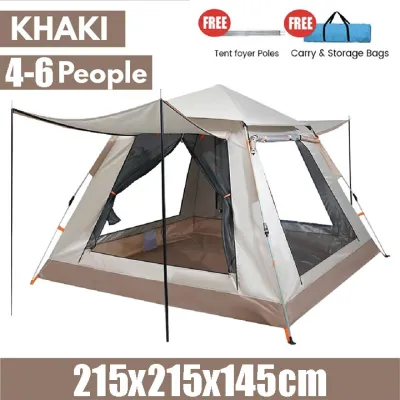
Prices are valid at publication and may change. Please refer to the product page for the latest price.
If a tent fabric is rated at 2,000mm, it means the material withstood a two-meter-tall column of water before any droplets pushed through. This test simulates the physical pressure of rainfall hitting the tent surface. However, it is important to realize that this rating measures static water pressure resistance at a specific point under controlled laboratory conditions, rather than a guaranteed duration of absolute dryness in the field.
Real-world camping introduces dynamic forces that laboratory tests cannot fully replicate. Wind-driven rain, heavy drops falling from high tree branches, and physical contact with the tent walls all exert localized pressure that can exceed the static rating. Additionally, testing standards, equipment calibration, and fabric preparation methods can vary between different manufacturers, meaning a 1,500mm rating from one brand might perform slightly differently than the same rating from another.
Matching Waterproof Ratings to Your Camping Conditions
To choose the right tent, you must match the manufacturer’s waterproof specifications with your expected camping environment. Because brands design their gear for different climates, consulting the specific manufacturer’s weather and usage guidelines is the best way to interpret their unique millimeter ratings. A rating that works perfectly for a dry, breezy plateau might fail during a sudden tropical depression.

In tropical regions like the Philippines, weather conditions can change rapidly, bringing intense downpours and high humidity. Environmental factors like wind-driven rain and prolonged exposure to wet weather significantly increase the effective pressure on your tent fabric. High humidity also prevents condensation from evaporating, which can sometimes be mistaken for a leak if the tent lacks adequate ventilation.
For casual summer camping or dry-season trips where you only expect light, passing showers, a canopy rating of 1,000mm to 1,500mm is often sufficient. If you plan to camp during the rainy season or in areas prone to unpredictable storms, looking for a tent with a canopy rating of 2,000mm to 3,000mm offers better peace of mind. Harsh alpine expeditions or extreme weather camping require specialized, heavy-duty tents with even higher ratings recommended by the manufacturer to withstand sustained, high-velocity wind and rain.
Crucial Waterproof Features Beyond the Fabric Rating
A high hydrostatic head rating on the fabric spec sheet does not guarantee a dry interior if the tent’s construction is lacking. The most common entry point for water is not through the fabric itself, but through the seams where the panels are sewn together. You should always check if a tent features factory-taped or sealed seams, which cover the needle stitch holes with a waterproof membrane to prevent slow drips.
Other external features play a vital role in managing surface water before it can challenge the fabric’s waterproof barrier. Look for tents equipped with heavy-duty waterproof zippers, wide storm flaps that cover the zipper tracks, and a functional rainfly design that sheds water away from the inner tent body. Many manufacturers also apply a Durable Water Repellent (DWR) coating to the outer surface, which causes rainwater to bead up and roll off rather than soaking into the fibers.
The tent floor, or groundsheet, requires a completely different level of protection than the canopy. Because you sit, kneel, sleep, and store heavy gear on the floor, your body weight exerts immense localized pressure on the damp ground beneath. For this reason, manufacturers typically assign much higher hydrostatic head ratings to tent floors—often 3,000mm to 5,000mm or more—to prevent moisture from being squeezed through the fabric when you move around inside.
Maintaining Your Tent's Water Resistance Over Time
Even the highest-quality waterproof coatings will degrade over time due to dirt, friction, and exposure to ultraviolet rays. To preserve your tent’s protective layers, you must follow basic cleaning rules. Never machine wash a tent or use harsh household detergents, as the agitation and chemicals can strip away the DWR coating and damage the delicate polyurethane backing. Instead, gently spot-clean the fabric using a soft sponge and cold water mixed with a mild, gear-specific soap.
Regular inspections are essential for identifying wear before your next trip. Set up your tent at home and visually inspect the interior for peeling or flaking polyurethane coatings, and check the seams for lifting or degraded seam tape. On the outside, observe how water behaves on the fabric; if rainwater stops beading and instead begins to soak into the outer material—a phenomenon known as “wetting out”—it is time to restore the water-repellent barrier.
Before applying any aftermarket treatments, always check the manufacturer’s specific care instructions to ensure compatibility with your tent’s materials. You can restore the exterior water shedding by spraying a specialized DWR reviver onto the clean, damp fabric. For interior leaks, applying a compatible seam sealer or polyurethane-based coating directly to the affected areas can extend the lifespan of your gear and keep it ready for the next tropical downpour.
Frequently Asked Questions (FAQ)
Is a higher hydrostatic head rating always better?
Not necessarily, as achieving extremely high waterproof ratings involves practical trade-offs. To reach higher millimeter ratings, manufacturers must apply thicker polyurethane coatings or use denser, heavier fabrics. This process often results in a tent that is significantly heavier, stiffer, and less breathable, which can lead to severe condensation buildup inside the tent in warm, humid climates. For casual campers, an excessively high rating adds unnecessary pack weight and cost while potentially compromising overall comfort and ventilation.
Why do tent floors have higher waterproof ratings than the canopy?
Tent floors require higher ratings because they must withstand mechanical pressure that the canopy never experiences. When you kneel, sleep, or place heavy camping gear on the floor, you compress the fabric directly against the wet ground, creating high localized pressure that can easily force water through a standard canopy-grade fabric. Checking both the canopy and floor specifications when comparing tents ensures you select a model with a durable, high-pressure groundsheet capable of keeping ground moisture at bay.

Community discussion
Share your experience or ask a question. Comments are reviewed before publication.