
When setting up a volleyball court, matching your equipment to competitive standards is essential for a true playing experience. While the designation “V300W” is globally recognized as a premium, aerodynamic indoor volleyball, buyers searching for a “V300W volleyball net” are typically looking for a high-caliber training net that matches this ball’s competitive standards, or they are evaluating a bundled equipment package. Setting up a proper court requires understanding how to verify these product labels, check physical dimensions, and assess environmental durability to ensure your net survives local playing conditions.
To build a reliable court, you must look beyond marketing labels and analyze the physical specifications of the net itself. This guide breaks down how to verify net models, evaluate materials for tropical climates, and ensure compatibility with your existing support poles.
Verifying the V300W Designation and Product Line
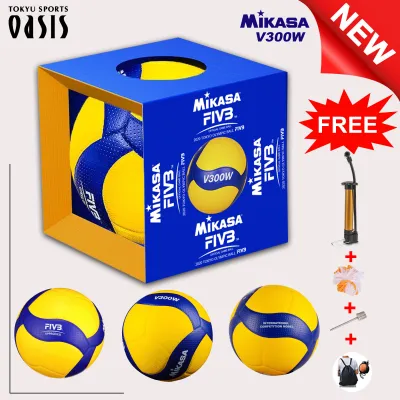
The V300W designation is primarily associated with the official 18-panel aerodynamic training and match volleyball. When searching for a corresponding net, you must verify whether the retail listing refers to a bundled package—which includes the V300W ball alongside a standard net—or a specific manufacturer net model designed to accompany high-level training gear.
Products mentioned in this guide
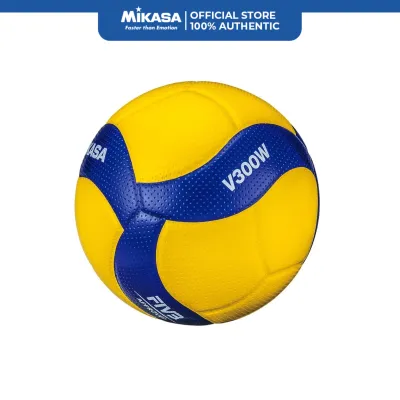
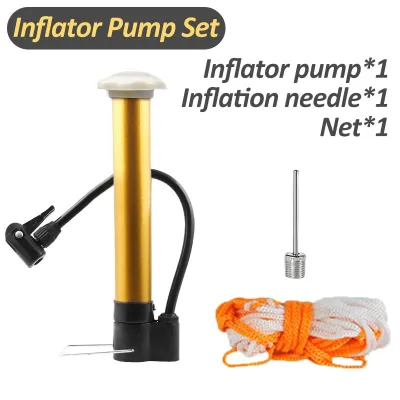
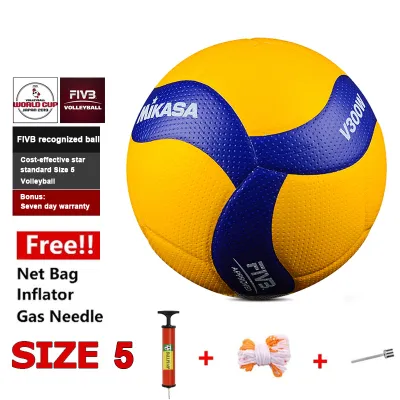
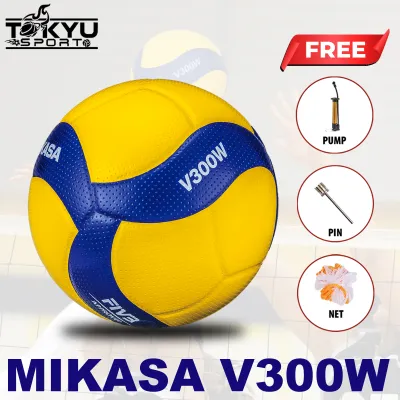
Prices are valid at publication and may change. Please refer to the product page for the latest price.
To avoid purchasing errors, locate the actual net model number on the manufacturer’s tag, packaging, or official catalog. High-quality nets often carry distinct model codes, such as those starting with LN or other brand-specific prefixes, rather than sharing the ball’s model name. Checking these codes ensures you receive the exact net construction you expect.
Consulting official brand documentation helps clarify any naming overlaps before you make a financial commitment. When budgeting anywhere from ₱3,000 to ₱10,000 for professional-grade court equipment, verifying the exact model prevents costly shipping and return mistakes. This step ensures you do not accidentally order a replacement ball when you actually need a full net system, or vice versa.
Decoding Net Dimensions and Height Adjustments
Standard volleyball nets require specific dimensions to ensure fair play and proper ball rebound. For a standard court setup, a regulation net typically measures 9.5 meters to 10 meters in length and 1 meter in depth. You should measure your available court space to confirm a net of this size will fit without hitting surrounding walls or outdoor obstacles.

Height adjustment is another critical factor, especially if your court serves multiple age groups, genders, or local leagues. Official net heights are set at 2.43 meters for men and 2.24 meters for women, with lower settings required for junior divisions. Verify that your support poles and the net’s attachment straps allow for these precise adjustments without slipping under tension.
The top and bottom tapes of the net do more than just frame the mesh; they house the tensioning cables and affect how the ball behaves when it hits the top band. Look for double-stitched, high-visibility canvas or vinyl tapes. These materials provide the necessary structural support to keep the net top straight and visible under bright indoor lights or intense outdoor glare.
Evaluating Mesh Material and Environmental Durability
The choice of mesh material directly impacts how well the net holds up against wear and environmental factors. Nylon and polyethylene are the two most common materials used in quality nets. Nylon offers excellent elasticity and a traditional feel, making it a popular choice for indoor gymnasiums where the climate is controlled.
In tropical environments like the Philippines, high humidity and intense sunlight can rapidly degrade untreated fibers. If you plan to set up your court in an open-air gym, a backyard, or a local barangay court, check the product specifications for UV-stabilized polyethylene. This material resists water absorption and sun damage far better than untreated nylon, preventing the mesh from rotting or becoming brittle.
Additionally, examine the netting cord thickness, often measured in millimeters or ply, and the knot construction. Thicker cords with knotted designs generally offer superior resistance to high-velocity impacts over time. Checking these specifications ensures your net can withstand daily, heavy-duty training sessions without sagging or tearing.
Assessing Tension Systems and Pole Compatibility
A volleyball net is only as good as its tension. To achieve a flat, sag-free top tape, the net must be paired with a robust tensioning system. This typically involves a steel or Kevlar top cable that runs through the top tape and connects to a winch or ratchet system on your support poles.
Before purchasing, verify that the net’s side sleeves and attachment cables are compatible with your existing poles. Standard poles vary in diameter, and some nets feature wide side sleeves designed to slide directly over the poles, while others use simple tie-ropes or loop fasteners. Ensuring a proper match prevents slippage and maintains the net’s structural integrity during intense play.
Proper net setup also requires accommodating boundary markers like antennae and side bands. These accessories must be securely fastened directly above the court sidelines. Check that the net’s design allows for easy attachment of clamp-on or hook-and-loop antennae, which are essential for determining whether a ball is in or out of bounds during a match.
Frequently Asked Questions (FAQ)
Can this net be used for outdoor beach volleyball?
While some high-quality nets are versatile, you must check the manufacturer’s product label for specific outdoor or beach certifications. Beach volleyball nets are typically shorter, around 8.5 meters, than standard indoor nets to match the smaller sand court dimensions. Additionally, salt air and sand require highly specialized rust-resistant hardware and weather-treated vinyl tapes to prevent rapid deterioration.
What tools are required to install the tensioning system?
Installation requirements depend entirely on your pole design and the net’s tensioning hardware. Standard setups with integrated winches usually require basic hand tools like wrenches or hex keys to secure the mounting brackets to the poles. Always perform a safety check on all cables, hooks, and tensioning ratchets before applying full force, as over-tightening can damage the poles or snap the cables.

Community discussion
Share your experience or ask a question. Comments are reviewed before publication.