
Selecting the right volleyball ball cart is a critical decision for coaches and athletic coordinators looking to streamline training sessions and protect their equipment. The ideal cart must balance structural durability, smooth mobility across specific court surfaces, and a storage capacity that matches your daily training drills. By focusing on frame materials that resist tropical humidity, heavy-duty caster wheels that protect indoor hardwood, and collapsible designs that fit into standard storage spaces, you can find a reliable utility tool that keeps your practices running efficiently.
Assessing Your Team's Storage and Mobility Needs
To determine the baseline requirements for your team’s setup, start by calculating your required ball capacity. A standard high school or club roster in the Philippines typically consists of 12 to 18 players. For efficient, fast-paced drills where players should not spend half their time chasing stray balls, a ratio of two to three balls per player is recommended. This means your cart should comfortably house at least 24 to 36 volleyballs. If you run multi-court training sessions or advanced high-repetition hitting drills, you might need a high-capacity cart that holds up to 48 balls, whereas a smaller recreational group might only require a compact basket for 15 to 20 balls.
Next, analyze the primary court surfaces where your team trains. In tropical climates, training environments can vary wildly. You might find yourself on a polished indoor hardwood court in a university gym, a painted outdoor concrete court in a local barangay plaza, or even a sandy beach setup. Polished indoor courts require soft, non-marking wheels to prevent scuffing the expensive varnish. Outdoor concrete surfaces demand rugged, shock-absorbing wheels that can withstand rough, abrasive ground without wearing down or cracking. Sand courts require specialized wide-profile wheels or lightweight frames that can be easily carried rather than rolled.
Products mentioned in this guide
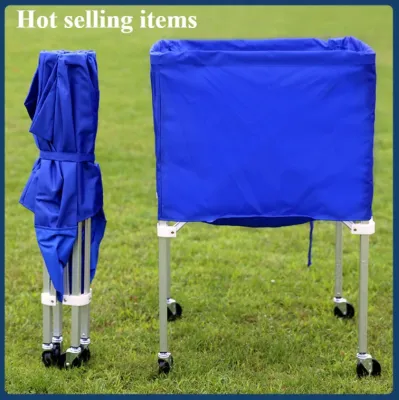
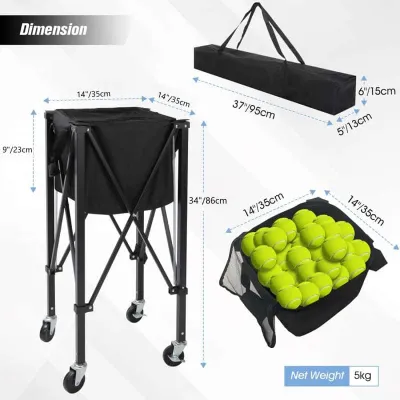
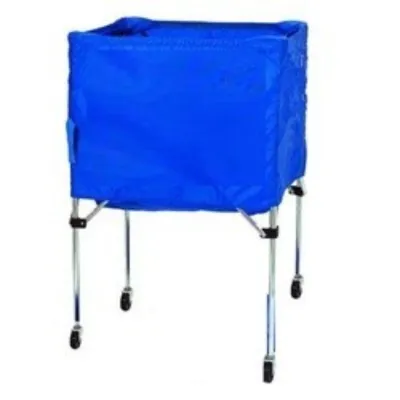
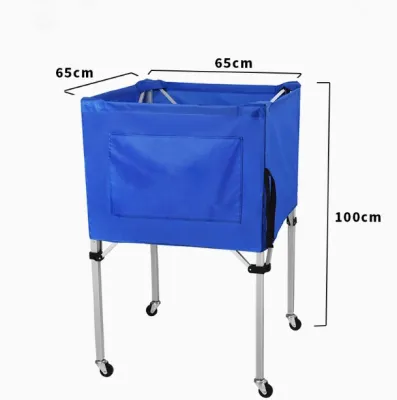
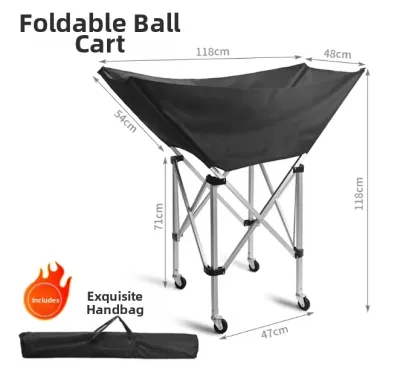
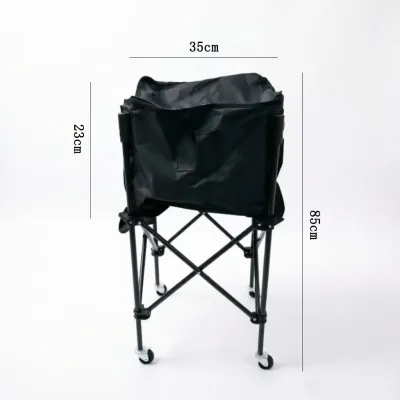
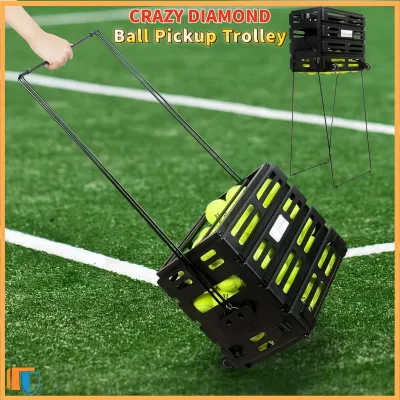
Prices are valid at publication and may change. Please refer to the product page for the latest price.
Storage and transport logistics are equally vital. Many school gymnasiums have shared, cramped equipment rooms where space is at a premium. Measure the exact doorway clearance and the designated storage corner before making a purchase. Furthermore, if your team travels frequently for away games or regional tournaments, the cart must fit into the trunk of a standard utility vehicle or a multi-purpose passenger van. A bulky, non-collapsible cart will quickly become a logistical nightmare, forcing you to transport balls in mesh bags and defeating the purpose of having a cart in the first place.
Key Frame and Build Quality Features
The frame is the backbone of your volleyball ball cart, bearing the constant weight of dozens of balls and enduring the physical demands of daily practices. Aluminum and steel are the two most common materials used in frame construction, each offering distinct advantages. Aluminum frames are highly favored for their lightweight properties, making them exceptionally easy to lift, transport, and maneuver. Additionally, aluminum naturally resists rust, which is a crucial consideration in humid, tropical environments where moisture in the air can quickly degrade unprotected metals.

Steel frames, on the other hand, offer superior structural rigidity and are less prone to bending under heavy loads. However, standard steel is susceptible to rust if the protective powder coating chips or scratches. If you opt for a steel frame, verify that it features a high-quality, weather-resistant powder-coated finish to seal out moisture. For teams that train outdoors or in open-air gymnasiums exposed to the elements, aluminum is generally the more resilient choice, while indoor-only programs can safely leverage the heavy-duty stability of steel.
Collapsible and folding designs are essential for modern athletic programs. Look for carts featuring a scissor-fold or accordion-style mechanism that allows the frame to collapse inward with a single, smooth motion. The folding joints are common failure points, so inspect the manufacturer’s specifications for reinforced rivets, heavy-duty nylon brackets, or welded steel hinges. Avoid models that rely on thin plastic connectors at key stress points, as these can easily crack under the pressure of repeated folding and unfolding. A robust frame should also come with a clear structural warranty or at least a verified weight capacity rating to ensure it can handle the physical realities of competitive sports training.
Wheel and Maneuverability Specifications
Maneuverability can make or break the usability of a ball cart during a fast-paced practice. The wheels, or casters, are the primary point of contact with the ground and dictate how easily a coach can push the cart along the sideline during transition drills. Polyurethane and thermoplastic rubber (TPR) are the premier choices for indoor gymnasiums. These materials provide excellent grip, roll silently, and are guaranteed not to leave unsightly black scuff marks on polished wood or synthetic court surfaces.
For outdoor courts, standard hard plastic wheels should be avoided as they transmit every vibration directly to the frame, leading to premature wear on the joints and a noisy, jarring user experience. Instead, look for heavy-duty rubber wheels or small pneumatic (air-filled) tires that can absorb the bumps and cracks of outdoor concrete. If your training sessions transition between indoor and outdoor venues, look for hybrid rubber casters designed to handle both environments without degrading.
The configuration of the wheels is another critical factor. A high-quality cart should feature 360-degree swivel casters on all four corners, allowing for effortless omnidirectional movement. This enables the coach to spin the cart in place or navigate tight doorways and crowded equipment rooms with ease. Finally, reliable braking mechanisms are non-negotiable. At least two of the swivel casters should feature foot-activated locks. These locks keep the cart securely anchored during high-velocity hitting drills, preventing it from rolling into the court and creating a dangerous tripping hazard for jumping players.
Capacity, Mesh, and Accessory Options
While the frame provides the structure, the fabric basket or hammock is what actually holds your equipment. The basket is typically constructed from heavy-duty nylon or polyester mesh. Look for denier ratings (such as 600D or higher) which indicate the thickness and durability of the fabric fibers. The mesh panels are vital for ventilation, allowing damp volleyballs to dry out after intense, sweaty practices and preventing the buildup of mold or unpleasant odors within the bag.
Pay close attention to the stitching and reinforcement at the bottom of the basket. The constant weight of 30 or more volleyballs puts immense downward pressure on the center of the fabric. High-quality carts feature reinforced nylon webbing or a double-layered bottom panel to prevent sagging and eventual tearing. Additionally, heavy-duty zippers along the top or sides of the basket are highly beneficial, allowing you to secure the balls inside during transport so they do not spill out in the back of a vehicle.
Modern ball carts often incorporate practical accessory options that enhance coaching efficiency. Look for models equipped with exterior storage pockets, which are perfect for holding clipboards, dry-erase tactical boards, extra inflation needles, and personal items like smartphones or water bottles. Some premium carts even feature integrated holders for training antennas or umbrellas to protect coaches from the sun during outdoor beach volleyball sessions. When evaluating these options, ensure that the added weight of accessories does not compromise the overall balance and stability of the cart when it is fully loaded with balls.
Building Your Evaluation Checklist
To make an informed purchasing decision, compile a prioritized feature matrix tailored to your team’s specific circumstances. Start by listing your non-negotiable requirements, such as a minimum capacity of 30 balls, non-marking wheels for indoor wood courts, and a collapsible aluminum frame for easy transport. Once the baseline is established, list your nice-to-have features, such as side storage pockets, a specific color scheme to match your school’s branding, or an included carrying bag for the collapsed frame.
Next, calculate the total cost of ownership rather than just looking at the base retail price. Because ball carts are bulky items, shipping fees to various regions in the Philippines can vary significantly. Factor in these shipping costs in ₱, along with any potential assembly requirements. Some carts arrive fully assembled and ready to use out of the box, while others require basic tools and manual labor. Additionally, check if the manufacturer or seller offers replacement parts, such as individual replacement casters or fabric baskets, which can extend the lifespan of your investment by several years.
Before finalizing your purchase on any e-commerce platform, perform a thorough verification of the seller’s credentials. Read through user reviews, paying close attention to feedback regarding long-term durability, ease of folding, and how well the wheels perform on different surfaces. Verify the seller’s return policy and the exact terms of any structural warranties. A reputable seller should offer a clear return window in case the cart arrives with manufacturing defects, ensuring your athletic program’s budget is protected and well-spent.
Frequently Asked Questions (FAQ)
How many volleyballs should a standard cart hold?
A standard volleyball ball cart typically holds between 24 and 36 official-sized volleyballs. This capacity is generally ideal for a standard squad of 12 to 18 players, providing a balanced ratio of roughly two balls per player for continuous, high-repetition drills. While larger carts capable of holding 48 or more balls exist, they can be difficult to maneuver through narrow gym doors and take up significant storage space. For most school and club teams, a 30-ball capacity offers the perfect balance between training efficiency and portable convenience.
Do I need locking wheels for indoor courts?
Yes, locking wheels are highly recommended for indoor court use. During active training drills, players move at high speeds and focus entirely on the ball, making any unexpected obstacle a major safety hazard. A ball cart without locking wheels can easily drift onto the playing court due to the momentum of balls being thrown back into it or from accidental bumps by players. Locking at least two of the caster wheels ensures the cart remains perfectly stationary, protecting your players from tripping hazards and allowing the coach to focus entirely on instruction.

Community discussion
Share your experience or ask a question. Comments are reviewed before publication.