
Choosing between a walkable treadmill, a spin bike, and a rowing machine depends on your fitness goals, available space, and daily routine. There is no single “best” machine; the right choice matches your physical joint needs, home environment, and maintenance willingness.
To make an investment you will actually use, you must evaluate your joint health, measure your physical space, audit your home’s noise tolerance, and understand the maintenance requirements of each device. This diagnostic guide will help you compare these three popular home cardio options step-by-step.
Step 1: Diagnose Your Primary Fitness Goals and Joint Needs
Your fitness journey should dictate your equipment. A walkable treadmill, or walking pad, is designed specifically for low-impact, steady-state cardiovascular exercise. It is an excellent tool for accumulating daily steps, improving circulation, and maintaining basic mobility. If your primary goal is to combat a sedentary lifestyle, walking provides a natural, functional movement pattern.
Products mentioned in this guide
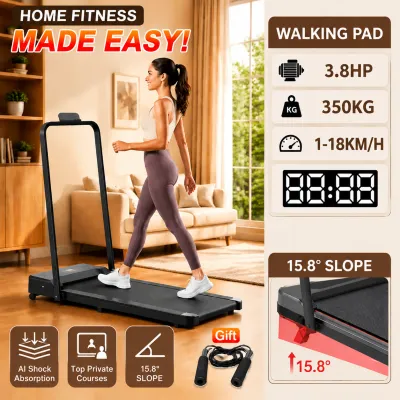
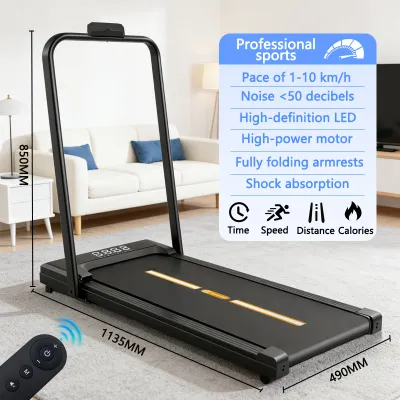
![[COD] Foldable Manual Home Treadmill with Adjustable Slope LED Display Anti-Slip Running Belt Free Twist Disc & Resistance Rope Space Saving Walking Machine for Home Fitness Exercise](https://img.lazcdn.com/g/p/1446617c7dcf63717d1a1640b68a647e.jpg_400x400q80.jpg_.webp)
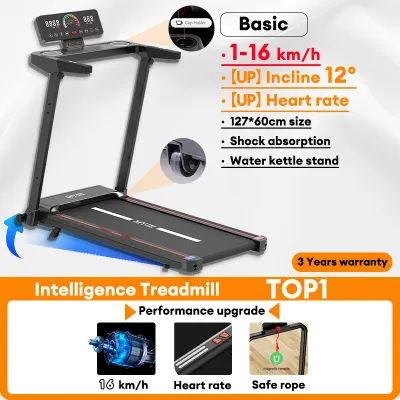
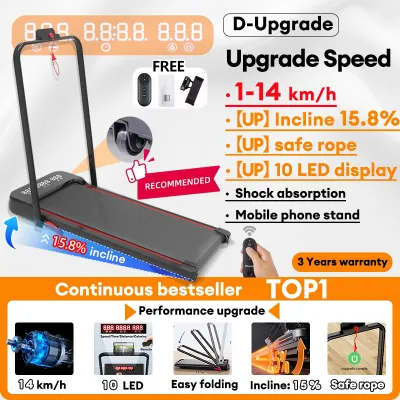
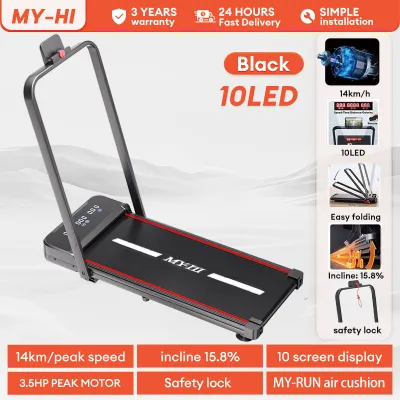
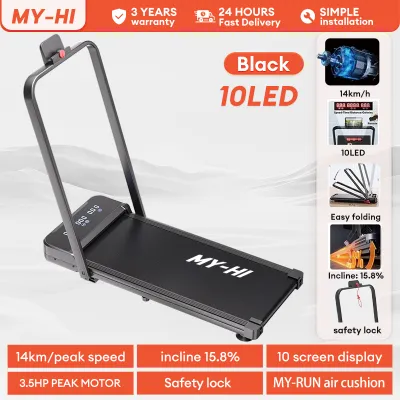
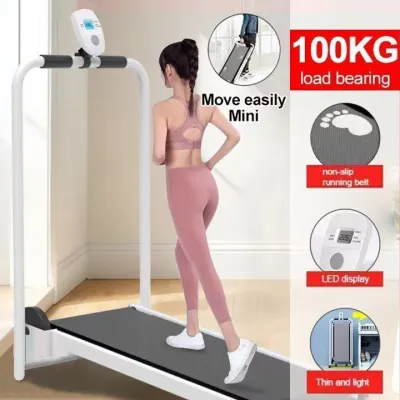
Prices are valid at publication and may change. Please refer to the product page for the latest price.
A spin bike shifts the focus toward lower-body endurance and high-intensity cardiovascular training. It allows you to perform interval training or long, steady climbs that challenge your quadriceps, hamstrings, and glutes. Because you remain seated, cycling provides an efficient workout that elevates your heart rate quickly while sparing your joints from repetitive impact.
A rowing machine offers a unique hybrid of cardiovascular conditioning and full-body strength endurance. Each stroke engages major muscle groups across your legs, core, and upper body, with a strong emphasis on the posterior chain. If you want to maximize calorie burn in shorter sessions while strengthening your back, shoulders, and glutes, rowing provides a comprehensive solution.
Before choosing, perform a quick joint impact self-assessment. Walking involves weight-bearing impact, which is beneficial for bone density but can sometimes irritate sensitive ankles or knees. Cycling is virtually impact-free for the lower joints, making it highly suitable for those recovering from knee issues. Rowing is also low-impact on the lower joints, but it requires repetitive hip hinging and spinal loading.
If you have pre-existing lower back, knee, or shoulder conditions, consult a qualified medical professional or physical therapist before purchasing. They can help you determine which movement patterns are safe for your body and which machines to avoid.
Step 2: Measure Your Available Space and Storage Reality
Home fitness equipment only works if it fits comfortably within your living space. Start by measuring your designated workout zone with a tape measure. Do not rely on visual estimates, as fitness machines often look smaller in large retail showrooms than they do in a standard residential room.

A walkable treadmill requires a flat, rectangular floor area, typically measuring around 1.2 to 1.5 meters in length and 0.5 to 0.6 meters in width. However, safety guidelines dictate that you must maintain at least 1 meter of clear space behind the belt and 0.5 meters on both sides. Many walking pads feature an ultra-slim profile, allowing you to fold them or slide them flat under a bed or sofa when not in use.
Spin bikes occupy a relatively compact, fixed footprint, usually around 1.2 meters long by 0.6 meters wide. While they do not fold, they are highly stable and can easily tuck into a corner. Most models feature front-mounted transport wheels, allowing you to tilt the bike forward and roll it out of the way when your workout is complete.
Rowing machines require the most floor length, often stretching over 2 meters to accommodate the seat rail. You must ensure you have enough clearance to fully extend your legs and lean back at the end of each stroke. To save space, many modern rowers stand vertically against a wall when stored, but you must verify that your ceiling height can accommodate the upright rail.
Step 3: Align the Machine With Your Daily Routine and Noise Limits
Your daily schedule and household environment play a massive role in how often you will use your new equipment. If you work from home, a walkable treadmill offers unmatched multitasking potential. By placing a flat walking pad under a standing desk, you can walk at a gentle pace of 1.5 to 3 kilometers per hour while typing, reading emails, or attending virtual meetings.
Spin bikes allow for moderate multitasking, such as watching a training video, reading a tablet mounted on the handlebars, or listening to music. However, the forward-leaning posture and active leg movement make typing or writing highly impractical. Rowing machines require complete physical commitment; both hands must grip the handle, and your body moves dynamically back and forth, meaning your multitasking is limited strictly to listening to audio.
Noise levels are critical, especially in apartments or shared walls. Walkable treadmills produce motor hum and footfall thuds. In humid tropical climates with tiled or hardwood floors, these vibrations travel downstairs easily, requiring a thick rubber mat to dampen sound.
Spin bikes with magnetic resistance are exceptionally quiet, producing only a faint whir. Rowing machines vary: magnetic rowers are quiet, water rowers make a rhythmic sloshing sound, and air rowers use a fan flywheel that generates a noticeable wind rush.
Finally, consider setup friction. If a machine is heavy and hard to move, you may skip workouts. A permanently placed machine is always ready, but if you must store it, prioritize lightweight models with smooth-rolling wheels.
Step 4: Compare Key Specifications and Long-Term Upkeep
When shopping on an online marketplace, understanding specifications helps. For walkable treadmills, check the motor rating. Look for continuous horsepower (CHP) rather than peak horsepower, as CHP indicates the motor’s ability to handle continuous walking loads without overheating.
For spin bikes and rowing machines, evaluate the resistance mechanism. Magnetic resistance is highly recommended because it adjusts tension silently without physical contact, resulting in zero wear. Friction resistance uses felt pads that wear down, while air and water rowers rely on physical effort.
Always verify the manufacturer’s maximum weight capacity and frame materials. A higher weight limit indicates a sturdier frame made of steel or aluminum, which translates to better stability. Avoid budget models that wobble, as this leads to premature mechanical failure.
Every machine requires regular upkeep. Walkable treadmills need periodic belt tension adjustments and silicone lubrication under the belt to reduce motor friction. Spin bikes require you to tighten pedals, lubricate the seat post, and wipe down sweat immediately to prevent rust in humid environments.
Rowing machines require you to wipe the slide rail clean after every session to protect the seat rollers. Chain-driven rowers need periodic chain lubrication, while belt-driven models need inspections for fraying. Always consult your product’s user manual for specific maintenance schedules.
Step 5: Choose Your Path Based on the Diagnostic Results
Now that you have evaluated your goals, space, routine, and maintenance preferences, you can confidently select the path that aligns with your lifestyle.
Path A (The Walkable Treadmill) is your best match if your primary objective is to increase daily movement, combat a sedentary desk job, and multitask during the workday. It is perfect for those who prefer low-intensity, steady-state exercise and need a slim machine that can easily slide under a bed or sofa.
Path B (The Spin Bike) is the ideal choice if you want high-intensity, sweat-heavy cardiovascular workouts in a compact, permanent footprint. It suits those who enjoy structured cycling classes, interval training, and need an exceptionally quiet machine that won’t disturb other household members.
Path C (The Rowing Machine) is the ultimate option if you want an efficient, full-body workout that builds muscular endurance and cardiovascular fitness simultaneously. This path is best for those who have ample floor length, appreciate a rhythmic and engaging workout, and want to target their back, core, and legs in a single session.
Before making your final purchase, take a moment to verify the warranty terms for the motor, frame, and electronic components. Check the seller’s return policy and confirm if delivery options include assembly assistance, as heavy fitness equipment can be challenging to set up alone.
Frequently Asked Questions (FAQ)
Can I use a walkable treadmill for running?
No, walkable treadmills are not designed to handle the speed or impact of running. They typically feature smaller, less powerful motors and shorter, narrower belts that cannot accommodate a running stride. Running on a walking pad can quickly overheat the motor, wear out the deck prematurely, and pose a safety hazard due to the lack of sturdy handrails and emergency stop keys. Always adhere strictly to the manufacturer’s maximum speed limits.
Which machine requires the most maintenance?
Walkable treadmills generally require the most hands-on maintenance because the motorized belt must be regularly aligned, tensioned, and lubricated with silicone oil to prevent motor strain. Spin bikes and magnetic rowing machines require less frequent mechanical upkeep, mostly limited to wiping down sweat to prevent corrosion and checking for loose bolts. Always consult your specific product manual for exact maintenance intervals and approved lubricants.
Is a rowing machine safe for lower back issues?
A rowing machine can be safe and highly beneficial, but only if you maintain proper form and engage your core throughout the entire stroke. Rounding your spine or pulling primarily with your lower back can lead to strain or injury. If you have pre-existing lower back conditions, it is essential to consult a physical therapist or medical professional before starting to ensure rowing is safe for your specific body mechanics.

Community discussion
Share your experience or ask a question. Comments are reviewed before publication.