
Choosing between a walking pad and a regular treadmill comes down to how you balance your fitness goals, available living space, and budget. While both machines offer excellent ways to maintain cardiovascular health indoors, they serve fundamentally different workout styles. A walking pad is a compact, lightweight device designed primarily for low-intensity walking or light jogging, often fitting seamlessly under a desk. A regular treadmill is a robust, stationary machine built to handle high-speed running, intense interval training, and steep inclines.
Deciding which equipment is better for your home requires looking closely at your daily routine and physical environment. If your primary goal is to accumulate daily steps while working or watching television in a compact condominium, a walking pad offers unmatched convenience. Conversely, if you are training for a marathon, require advanced shock absorption for joint protection, or want to perform high-intensity interval workouts, a traditional treadmill remains the necessary choice.
Space and Storage: Evaluating Your Available Footprint
Living in urban areas often means managing limited floor space, making the physical footprint of your fitness equipment a primary consideration. A walking pad is specifically engineered for tight spaces, typically featuring a low-profile design that allows it to slide under a bed, sofa, or desk when not in use. Most models are lightweight enough for a single person to roll away, utilizing built-in wheels to transition from the workout area to storage.
Products mentioned in this guide
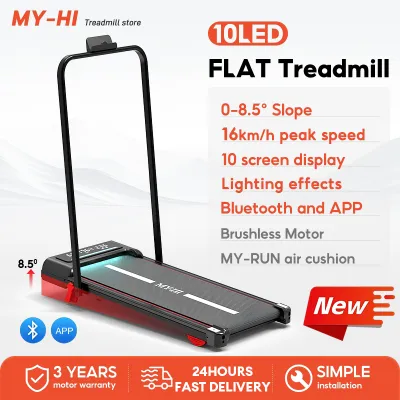
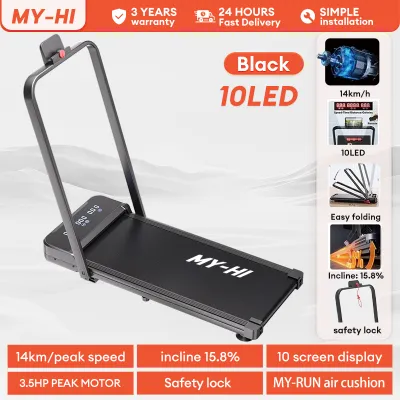
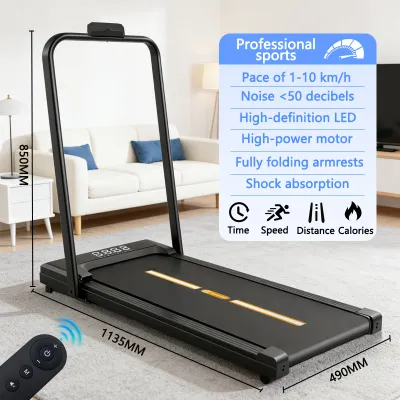
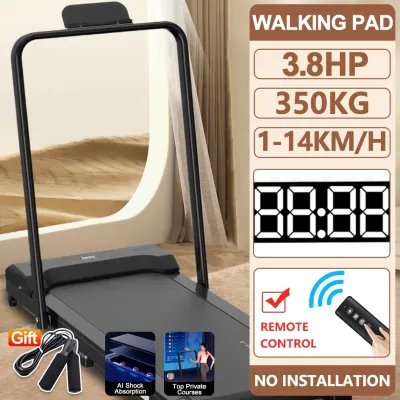
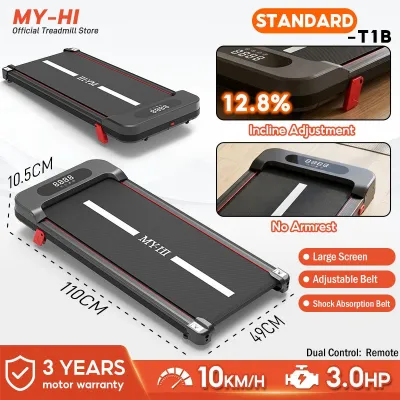
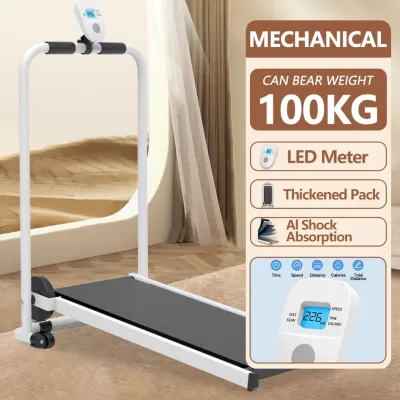
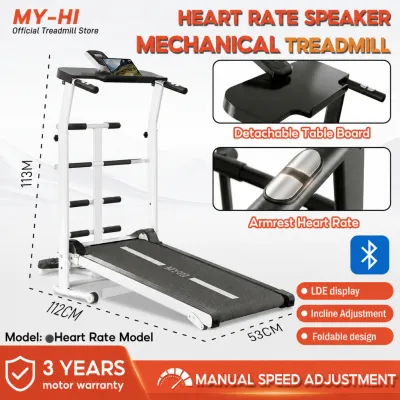
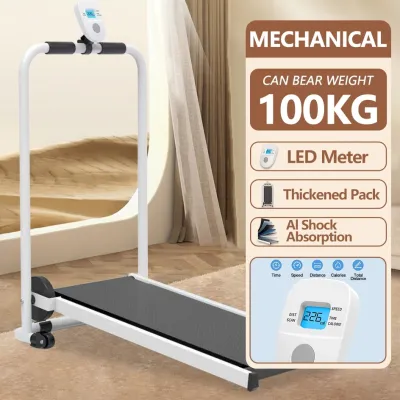
Prices are valid at publication and may change. Please refer to the product page for the latest price.
In contrast, a regular treadmill requires a dedicated, permanent footprint in your home. Even folding models, which lift the deck vertically when idle, still occupy significant visual and physical space and cannot be tucked away under low furniture. You must also account for safety clearance, leaving at least two meters of open space behind the treadmill belt and half a meter on each side to prevent injury in case of a fall.
Storage conditions in tropical climates like the Philippines also demand careful planning. High humidity levels can cause dust and moisture to accumulate quickly under beds or inside closets, potentially damaging sensitive electronic consoles or causing mold on the running belt. Whichever machine you choose, ensure your storage spot is dry, well-ventilated, and free from direct exposure to damp floors.
Performance and Fitness Goals: Matching the Machine to Your Workout
Your fitness objectives should dictate the mechanical capabilities of the machine you bring into your home. Walking pads are built for low-to-moderate intensity, with maximum speeds typically capping out between 6 km/h and 10 km/h. This speed range is ideal for active recovery, casual walking, or light jogging, but it will not support sprint training or vigorous running.

Regular treadmills offer much wider speed ranges, often reaching up to 16 km/h or 20 km/h, powered by larger, more robust motors. They also feature adjustable incline settings, allowing you to simulate hill climbs to increase cardiovascular challenge and target different muscle groups. Walking pads rarely offer incline options, and those that do are usually fixed at a very slight, non-adjustable angle.
The physical dimensions of the running belt also impact your safety and comfort during a workout. Taller users or those with longer strides will find the shorter, narrower belts of walking pads restrictive, potentially forcing an unnatural gait. Regular treadmills provide longer and wider decks, offering the necessary space to run naturally without fear of stepping off the belt. Additionally, traditional treadmills feature advanced deck cushioning and shock absorption systems designed to reduce joint impact, a critical feature for runners that is often minimal or absent in ultra-thin walking pads.
Budget and Long-Term Value: Upfront Costs and Durability
The financial investment required for home fitness equipment varies widely, reflecting differences in materials, motor power, and built-in technology. In the local market, entry-level walking pads generally range from ₱8,000 to ₱18,000, making them an accessible entry point for casual fitness enthusiasts. Premium walking pads with smart app integration or higher weight capacities can reach up to ₱25,000.
Regular treadmills represent a more substantial financial commitment, with basic motorized models starting around ₱15,000 and heavy-duty, gym-quality machines easily exceeding ₱50,000 to ₱100,000. While the upfront cost of a traditional treadmill is higher, it often translates to greater long-term durability. The larger motors in regular treadmills are designed to handle sustained high-speed friction and heavier user weights without overheating.
Before purchasing, always verify the manufacturer’s specified weight capacity and warranty terms. Walking pads often have lower weight limits, sometimes capping at 90 kg to 100 kg, whereas regular treadmills frequently support 120 kg or more. Consider also the long-term maintenance requirements, such as regular belt lubrication and alignment checks, which are essential for preserving the motor life of both types of equipment in warm, humid environments.
Noise, Power, and Daily Usability in a Shared Home
Operating fitness equipment inside a shared household or apartment building requires mindfulness of noise and vibration. Walking pads, operating at lower speeds with smaller motors, generally produce less noise, making them suitable for use during work calls or while family members are sleeping. However, the impact of your footsteps can still transmit vibrations through thin floors, which can be mitigated by placing a high-density rubber mat underneath the machine.
Regular treadmills generate significantly more noise, particularly when running at high speeds. The combination of a powerful motor, a rapidly spinning belt, and the heavy impact of running strides can create substantial noise and structural vibration. If you live in a multi-story home or a condominium, using a regular treadmill may require scheduling your workouts to avoid disturbing neighbors or housemates.
Power requirements also differ between the two categories. Walking pads typically draw less wattage, making them highly energy-efficient for daily, multi-hour use. Regular treadmills require more power, especially when operating at high speeds or steep inclines, and often benefit from being plugged directly into a dedicated wall outlet rather than a shared extension cord. Given the occasional voltage fluctuations in local power grids, using a high-quality surge protector is a wise precaution for protecting the sensitive control boards of either machine.
The Decision Framework: Which Cardio Equipment Should You Choose?
To finalize your decision, evaluate your daily lifestyle against the specific strengths of each machine. A walking pad is the ideal choice if you prioritize space-saving design, need to stay active during long working hours at a standing desk, and focus primarily on low-impact walking. It offers an affordable, highly portable solution that integrates easily into small apartments and busy schedules.
A regular treadmill is the superior option if your fitness routine centers on running, interval training, or athletic conditioning. It provides the structural stability, speed range, and shock absorption necessary to support high-intensity workouts safely over many years. While it requires a dedicated physical space and a larger financial investment, its performance capabilities are unmatched for serious runners.
Regardless of which path you choose, always verify the exact product specifications before making a purchase. Check the motor horsepower, maximum weight capacity, belt dimensions, and warranty coverage to ensure the machine safely accommodates your body size and workout habits.
Frequently Asked Questions (FAQ)
Can I run on a walking pad?
Most walking pads are not designed for running because they lack the necessary motor power, belt length, and structural reinforcement. Running on a machine built strictly for walking can cause the motor to overheat, wear out the belt prematurely, and increase the risk of tripping due to the shorter deck. Always check the manufacturer’s maximum speed rating and structural guidelines to verify if light jogging is permitted on your specific model.
Do walking pads consume less electricity than regular treadmills?
Generally, walking pads consume less electricity because they utilize smaller motors designed for lower speeds. A typical walking pad operates at a lower wattage compared to a full-sized treadmill running at high speeds or steep inclines. To understand the exact energy impact on your household utility bill, check the specific wattage rating on the product’s electrical label and calculate usage based on your daily workout duration.

Community discussion
Share your experience or ask a question. Comments are reviewed before publication.