
Choosing the right basketball ring with board setup depends on your property ownership, available ground surface, and how intensely you play. If you want maximum stability for high-intensity games and own your home, an in-ground system is the standard choice. For renters or multi-use driveways where flexibility is key, a portable hoop offers the easiest setup. If space is tight but you have a solid brick or concrete wall facing a paved driveway, a wall-mounted ring maximizes your playing area without taking up ground space.
In the Philippines, where residential lots can be compact and tropical weather brings heavy rains, high humidity, and strong winds, selecting the right mounting style requires careful planning. You must balance the desire for a responsive rebound with the practical realities of installation, safety, and long-term durability. This guide compares the structural requirements, performance trade-offs, and installation commitments of each type to help you select the setup that safely matches your environment.
Assessing Your Space, Surface, and Usage Needs
Before looking at specific models, you must carefully measure your physical environment. Start by checking the overhead clearance in your target playing area. Look upward for low-hanging tree branches, roof eaves, and overhead utility lines, which are common in residential neighborhoods. You need a clear vertical space of at least 12 to 15 feet to allow for a natural shot arc and to prevent the ball from snagging on obstacles.
Products mentioned in this guide
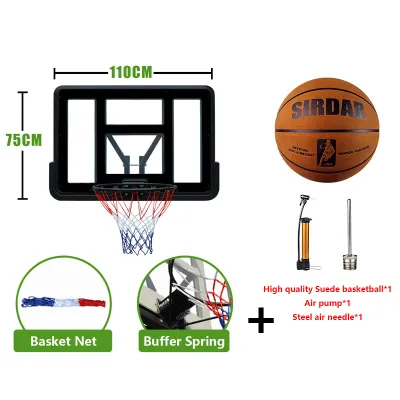
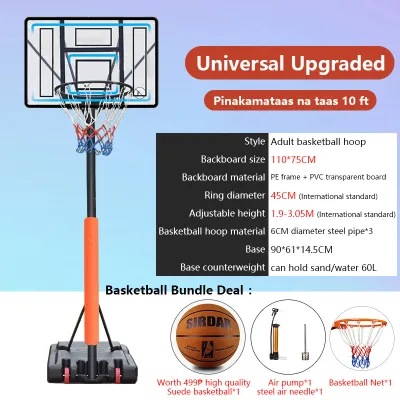
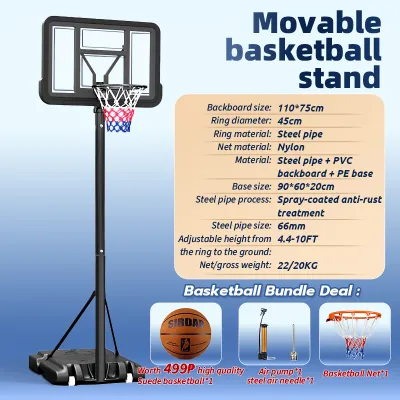
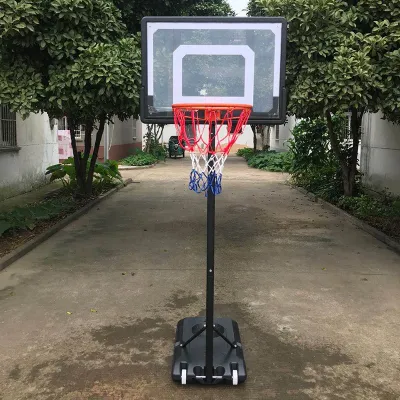
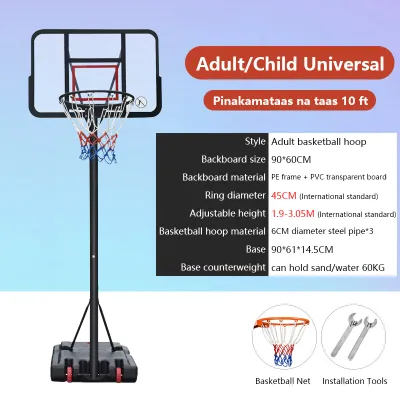
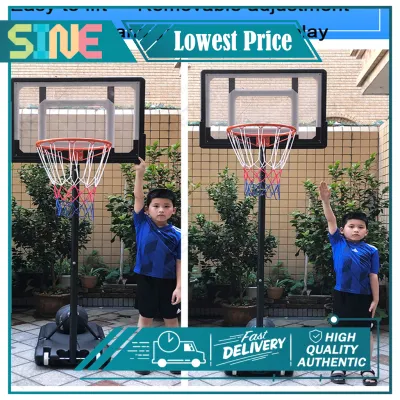
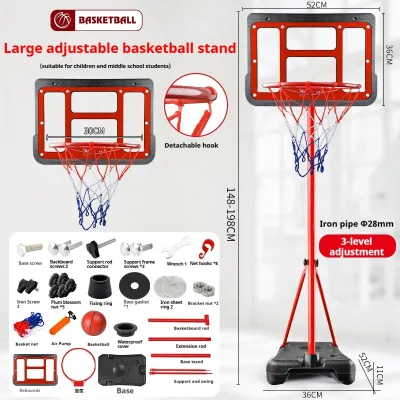
Prices are valid at publication and may change. Please refer to the product page for the latest price.
Next, evaluate the ground surface where the players will stand and run. A flat, level concrete or asphalt surface is essential for consistent ball bounce and safe footwork. If your driveway has a steep slope, a portable hoop may become unstable, and a wall-mounted system might result in an angled backboard. Avoid placing portable bases on grass, gravel, or loose dirt, as these surfaces do not provide the uniform support needed to prevent the system from tipping over during play.
Your playing style and the age of the players should also dictate your choice. Casual shooting and family recreation do not put extreme stress on a hoop, meaning a standard portable system is often sufficient. However, if you have teenagers or adults who play competitive games, practice aggressive layups, or attempt to hang on the rim, you will need a highly stable system. High-intensity play exerts massive dynamic forces that can easily damage weak walls or tip over poorly weighted portable bases.
Finally, consider your property limits and local regulations. If you rent your home, drilling holes into walls or pouring concrete into the yard is usually prohibited, making a portable hoop your only viable option. Even if you own your home, check with your homeowner association or barangay office. Some communities have strict rules against permanent structures near shared driveways, sidewalks, or public roads, which could force you to choose a mobile setup.
Wall-Mounted Basketball Rings: Ideal for Limited Yards and Driveways
Wall-mounted systems are an excellent way to maximize a small playing area because they do not require any ground space for a pole or base. By mounting the backboard directly to an existing wall, you keep the entire paved driveway clear for playing, parking, or other activities. This makes them highly popular for urban homes with compact carports or front yards.

However, structural verification is the most critical step before purchasing a wall-mounted ring with board. The wall must be made of solid brick, poured concrete, or reinforced wooden studs capable of handling both the static weight of the system and the dynamic forces of a basketball hitting the board. In many local residential constructions, walls are made of hollow concrete blocks. Mounting a heavy backboard directly to hollow blocks using standard screws can cause the blocks to crack or crumble under stress; instead, you must use heavy-duty sleeve anchors or through-bolts that penetrate the entire wall to a backing plate.
The length of the mounting bracket, or the overhang, is another key factor to evaluate. The overhang determines how far the backboard sits away from the wall. A larger overhang of 2 to 3 feet gives players more room to run underneath the basket without colliding with the wall, mimicking a real court layout. However, a longer bracket also acts as a lever, increasing the pulling force exerted on the wall anchors. You must ensure your wall can support this increased leverage.
Installation of a wall-mounted system is a precise, multi-person job that requires accurate leveling and secure anchoring. If the backboard is even slightly tilted, the ball will rebound unpredictably, ruining the playing experience. Furthermore, improper drilling can allow rainwater to seep into your home’s walls, leading to structural rot or mold. If you are unsure about your wall’s load-bearing capacity or lack the specialized tools for masonry drilling, halt the installation and consult a qualified local contractor.
Portable Basketball Systems: Flexibility for Renters and Multi-Use Areas
Portable basketball hoops offer unmatched flexibility, making them the most common choice for families who need a versatile setup. Because they do not require permanent installation, you can set them up quickly and move them out of the way when you need to park a car or clear the driveway. This mobility is also a major advantage for renters, who can easily pack up the entire system and transport it to a new home.
The stability of a portable hoop depends entirely on its plastic base and the ballast used to fill it. Most bases are designed to be filled with either water or sand. Water is easy to fill and drain, but it is susceptible to evaporation in hot, tropical climates, and a small leak can cause the system to tip over unexpectedly. Sand is significantly heavier and more stable, but it is much harder to fill and remove if you need to relocate the hoop. For the best balance of safety and stability, many players use a combination of sand and water, or place heavy sandbags on top of the base.
When choosing a portable system, pay close attention to the mobility features and pole design. Look for a base equipped with large, durable wheels at the front, which allow you to tilt the system forward and roll it across the concrete. The support pole should be made of thick, powder-coated steel to resist rust from humidity and rain. Multi-piece telescoping poles are common on portable models, but they tend to shake and vibrate more than single-piece poles when the ball hits the backboard.
The primary trade-off with a portable system is its performance. Because the system is not anchored to the ground or a wall, the plastic base and jointed pole absorb much of the ball’s impact. This results in a softer, less realistic rebound off the backboard compared to fixed systems. Additionally, during severe weather events or typhoons, you must take precautions to prevent the hoop from blowing over. Laying the portable system flat on the grass or securing it inside a garage is highly recommended when high winds are expected.
In-Ground Basketball Hoops: Permanent Setups for Serious Play
For dedicated players who want the ultimate court experience at home, an in-ground basketball hoop is the gold standard. These systems are permanently anchored into the ground, providing a level of stability and performance that portable and wall-mounted systems cannot match. If you have a dedicated concrete pad or a spacious backyard and own your property, an in-ground hoop is a highly rewarding investment.
The installation of an in-ground system requires significant ground preparation and physical labor. You must dig a hole that is typically 3 to 4 feet deep and up to 2 feet wide, depending on the size of the hoop. After placing the mounting anchor or the pole into the hole, you must pour multiple bags of concrete to secure it. This concrete must cure completely—usually taking 3 to 5 days—before you can attach the heavy backboard and rim. Rushing this curing process can cause the pole to lean permanently.
Once installed, the structural benefits of an in-ground hoop are immediately apparent. Most high-quality in-ground systems use a thick, single-piece steel pole that minimizes vibration. This rigid connection ensures that when the ball hits the backboard, it rebounds with the same speed and angle as it would on a professional indoor court. The solid anchor also allows for safe, aggressive play, including moderate dunking, provided the system is equipped with a high-quality breakaway rim.
Before committing to an in-ground installation, you must carefully evaluate your property’s layout. Because the installation is permanent, you cannot easily move the hoop if you decide to remodel your yard, build a carport, or sell your home. You must also contact local utility companies or check your property blueprints to ensure you do not dig into buried electrical lines, water pipes, or sewage systems. In the Philippines, where residential properties often have shallow utility lines, this pre-digging check is a critical safety step.
Key Specifications to Compare Across All Mounting Types
Regardless of which mounting style you choose, the materials and mechanics of the ring and board will directly affect how the system performs and how long it lasts. The backboard material is the most important factor in determining rebound quality. Polycarbonate backboards are highly durable and virtually unbreakable, making them excellent for homes with young children, but they offer a very soft, dead rebound. Acrylic backboards are stiffer and provide a better bounce, while tempered glass backboards offer the professional-grade, highly responsive rebound found in gymnasiums.
The rim mechanics are equally important for player safety and equipment longevity. Standard static rims are bolted directly to the frame and do not bend, which can cause the backboard to shatter or the wall anchors to pull loose if a player hangs on the rim. Breakaway rims feature enclosed steel springs that compress under load, absorbing the impact of a dunk before snapping back into place. If teenagers or adults will be playing, investing in a high-quality breakaway rim is essential to protect both the players’ wrists and the backboard.
Height adjustment mechanisms are another key feature to compare, especially for growing families. Lower-end systems use a telescoping pole that requires you to remove a bolt, slide the pole to the desired height, and reinsert the bolt—a process that often requires two people. Mid-range and premium systems feature crank or trigger-activated counterbalanced systems. These allow you to smoothly adjust the rim height from 7.5 feet to the regulation 10 feet with a simple turn of a handle or squeeze of a trigger, making it easy for children to play at a safe, age-appropriate height.
Finally, consider the weatherproofing of the entire system. Outdoor basketball hoops are constantly exposed to intense sunlight, heavy rain, and high humidity. Look for steel components that are hot-dip galvanized or powder-coated to prevent rust, which can quickly weaken the structural integrity of the pole or brackets. Stainless steel or zinc-plated hardware is also highly recommended to prevent the bolts from seizing over time.
Final Decision Framework: Matching the Ring with Board to Your Setup
To finalize your decision, match your specific living situation and playing needs to the following condition-based rules:
- Choose Wall-Mounted if: You own your home, have a solid concrete or brick wall facing a flat, paved driveway, and want to keep the ground completely clear of poles or bases. This setup is perfect for compact urban homes where space is at a premium.
- Choose Portable if: You rent your home, plan to move in the near future, or need to clear the driveway for parking. It is also the easiest option if you want to avoid digging holes or drilling into your home's exterior walls.
- Choose In-Ground if: You own your property, have a dedicated concrete playing area, and want the most stable, professional-grade playing experience possible. This is the ultimate choice for serious training and high-intensity games.
- Verify First if: You are uncertain about the structural strength of your wall, the location of underground pipes, or local neighborhood association restrictions regarding permanent outdoor structures.
Frequently Asked Questions (FAQ)
Can I convert a portable basketball system into an in-ground hoop?
Some manufacturers offer official ground sleeve conversion kits designed specifically for their portable poles. However, you must check your specific product manual and warranty terms before attempting any modification. Using unauthorized DIY methods or generic ground sleeves can compromise the structural integrity of the pole, leading to a high risk of collapse and severe injury.
How much overhang do I need for a safe playing experience?
Overhang is the distance from the front of the support pole or wall to the face of the backboard. For safe play, a minimum overhang of 2 to 3 feet is recommended for casual driveway games. This space prevents players from running into the pole or wall after making a layup or driving hard to the basket.
What is the best way to maintain the base of a portable ring with board?
Regularly inspect the plastic base for hairline cracks, leaks, or signs of UV degradation caused by intense tropical sun exposure. If you fill the base with water, check the level periodically to account for evaporation, and consider adding a non-toxic algicide to prevent mold growth. If you live in an area prone to high winds or typhoons, using dry sand is often a more stable, leak-proof ballast option than water.

Community discussion
Share your experience or ask a question. Comments are reviewed before publication.