
Selecting a waterproof tent requires looking beyond the marketing labels to understand how a shelter actually performs under heavy rainfall. The key to making an informed decision lies in deciphering the millimeter (mm) rating, which measures a fabric’s resistance to water pressure. By matching this rating with proper construction features and your expected camping environment, you can ensure your shelter remains dry and comfortable throughout your outdoor adventures.
What Waterproof Ratings (mm) Actually Mean for Tents
The millimeter rating on a tent, often referred to as the hydrostatic head measurement, indicates the level of water pressure a fabric can withstand before moisture begins to penetrate. During a standardized laboratory test, a column of water is placed over a piece of taut tent fabric, and the height of the water column is increased until water starts to seep through. For example, a fabric rated at 1,500 mm can theoretically resist a 1,500-millimeter-tall column of water pressing down on its surface before leaking.
While a higher millimeter rating generally indicates greater resistance to heavy downpours, it also introduces specific trade-offs. Thicker polyurethane coatings or denser weaves required to achieve high ratings add noticeable weight to your backpack. Furthermore, heavily coated fabrics tend to restrict airflow, which can lead to increased condensation inside the tent, especially in warm or humid environments.
Products mentioned in this guide
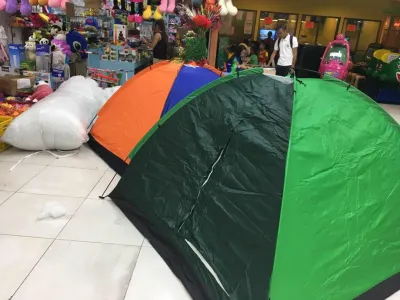
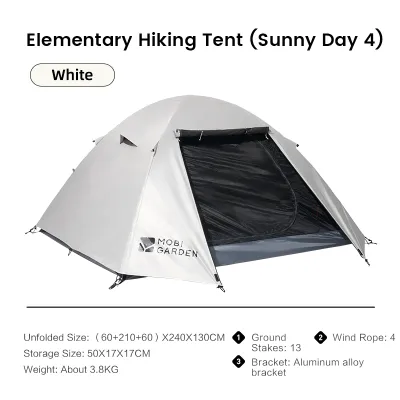


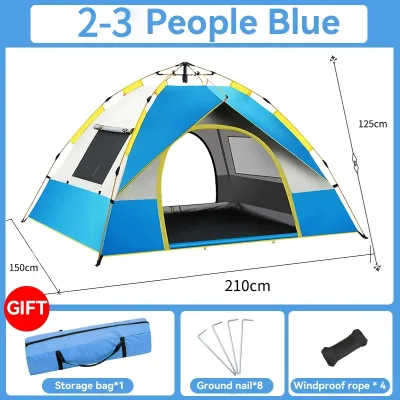
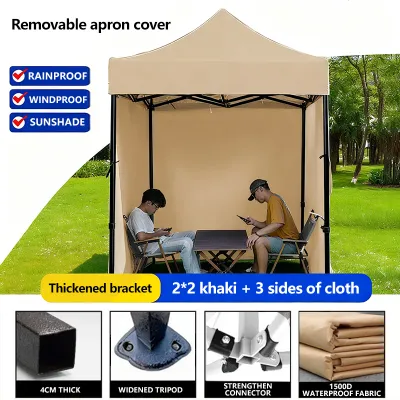
Prices are valid at publication and may change. Please refer to the product page for the latest price.
When evaluating a tent’s specifications, it is crucial to check both the rainfly and the floor ratings on the product label or the manufacturer’s official website. The rainfly, which bears the brunt of falling rain, often has a lower rating than the floor. The floor requires a much higher rating because it must withstand the physical pressure of your body weight, sleeping pads, and gear pressing against wet ground.
Key Construction Features That Affect Water Resistance
A high fabric rating alone cannot guarantee a dry interior if the tent’s physical construction is lacking. Seams are the most vulnerable points on any tent, as sewing needles puncture thousands of tiny holes through the waterproof fabric. High-quality tents typically feature factory-taped seams, where a waterproof tape is heat-sealed over the stitching to block water ingress. Untaped seams will require manual application of a liquid seam sealer before you can safely use the tent in wet weather.

Another critical design element is the bathtub-style floor, which uses a continuous piece of waterproof fabric that wraps several inches up the sides of the tent before meeting the wall seams. This design elevates the seams off the ground, preventing pooling water or splashing mud from seeping through the stitching. Additionally, a full-coverage rainfly that overhangs the inner tent body provides a physical barrier that sheds water far away from the tent’s base.
Zippers and entry points are also common pathways for water entry during windy storms. Look for tents equipped with heavy-duty storm flaps that fold over the zippers to deflect rain, or specialized water-resistant zippers that feature a protective polyurethane coating. These physical barriers work in tandem with the fabric’s hydrostatic head rating to create a reliable defense against the elements.
How to Match Tent Waterproof Levels to Your Camping Conditions
Choosing the right waterproof rating depends heavily on where and when you plan to camp. For light, occasional drizzles in mild weather, a rainfly rating of 1,000 mm to 1,500 mm is generally sufficient to keep you dry. If you anticipate steady rain or moderate storms, upgrading to a rainfly rating of 2,000 mm to 3,000 mm provides a safer margin of protection. For extreme weather, high-altitude expeditions, or prolonged heavy downpours, specialized tents with ratings exceeding 3,000 mm are typically recommended by manufacturers.
In tropical climates like the Philippines, high humidity and sudden torrential downpours present unique challenges. A tent with an exceptionally high waterproof rating but poor ventilation will quickly turn into a humid sauna, trapping your breath and sweat as condensation on the inner walls. To manage this, prioritize tents that combine a highly rated rainfly with large mesh panels on the inner tent body, allowing continuous airflow even when the rainfly is fully secured.
Beyond fabric specifications, campsite selection plays a decisive role in staying dry. Even a tent with a premium waterproof floor can fail if pitched in a natural depression where rainwater pools. Always inspect the topography of your campsite, choosing elevated, well-draining ground to prevent standing water from overwhelming your tent’s floor fabric.
Maintenance and Care to Preserve Waterproof Performance
To maintain your tent’s factory-applied waterproof coatings, you must practice gentle and regular maintenance. When cleaning your tent after a trip, avoid harsh household detergents, washing machines, or dryers, which can easily strip away the polyurethane coatings and damage seam tape. Instead, spot-clean dirty areas using lukewarm water, a soft sponge, and a mild, non-detergent soap specifically formulated for outdoor gear.
Moisture is the primary enemy of tent longevity during storage. Never pack away a damp or wet tent, as this creates an ideal environment for mildew to grow, which chemically degrades the waterproof polyurethane coating over time. Always pitch your tent in a shaded, well-ventilated outdoor area or hang it loosely indoors until it is completely dry before folding it into its storage sack.
Before embarking on any camping trip, perform a thorough visual inspection of your tent at home. Check the inner side of the rainfly and floor for signs of peeling, flaking, or sticky polyurethane coatings, and inspect the seam tape for lifting or cracking. A basic tube of seam sealer or a waterproof spray often costs under ₱500, making regular maintenance a highly cost-effective way to extend your tent’s lifespan before you find yourself in a storm.
Frequently Asked Questions (FAQ)
Is a specific high mm rating guaranteed to keep a tent completely dry?
No single fabric rating can guarantee a completely dry interior because a hydrostatic head rating only measures the water resistance of the fabric itself, not the entire assembled tent system. Real-world factors such as high winds driving rain through ventilation ports, improper pitching that causes the rainfly to touch the inner tent, and internal condensation from breathing can all introduce moisture inside. Proper site selection, tight staking, and adequate ventilation are just as important as the fabric’s rating.
Why is the tent floor rating usually higher than the rainfly rating?
The tent floor requires a higher waterproof rating because it is subjected to mechanical pressure that the rainfly never experiences. When you sit, kneel, or place heavy gear on the tent floor, your body weight concentrates pressure on a small surface area, forcing any moisture present in the ground through the fabric. The rainfly, by contrast, only needs to shed falling rain and resist wind pressure, allowing it to remain highly effective with a lower millimeter rating.
Can I restore the waterproof coating on an older tent?
Yes, you can often restore the water resistance of an older tent by applying aftermarket treatments, but you must first consult the manufacturer’s care guidelines for compatible products. If the original polyurethane coating is sticky, peeling, or flaking, you must gently scrub away the degraded layer before applying a new waterproof sealant. For the exterior of the rainfly, applying a durable water repellent spray can help restore the fabric’s ability to bead and shed water.

Community discussion
Share your experience or ask a question. Comments are reviewed before publication.