
A 16-inch bike is generally suitable for children between 4 and 6 years old who stand between 100 and 115 centimeters (39 to 45 inches) tall. However, because children grow at highly individual rates and bike frame designs vary significantly, relying solely on age or overall height can lead to an uncomfortable or unsafe fit. Finding the right size requires measuring your child’s inseam and verifying how their body aligns with the bike’s physical contact points.
In the Philippines, learning to ride a bike is a classic childhood milestone. Whether your child is cruising along quiet subdivision streets, navigating local neighborhood parks, or riding on paved barangay pathways, a properly sized bike ensures they stay safe and build confidence. A bike that is too large or too small can cause frustration, frequent falls, and a reluctance to ride.
When shopping for a 16-inch kids’ bike, understanding how wheel size relates to frame geometry is the first step. This guide breaks down the standard sizing metrics, explains how to measure your child accurately at home, and highlights the physical signs that indicate a bike is a safe and comfortable fit.
Products mentioned in this guide
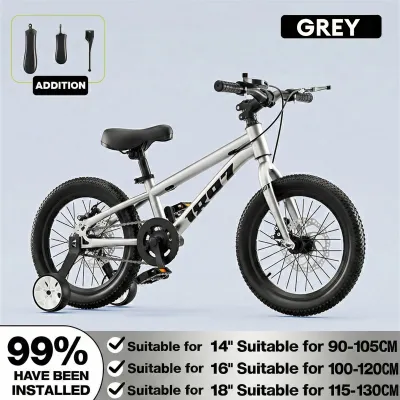
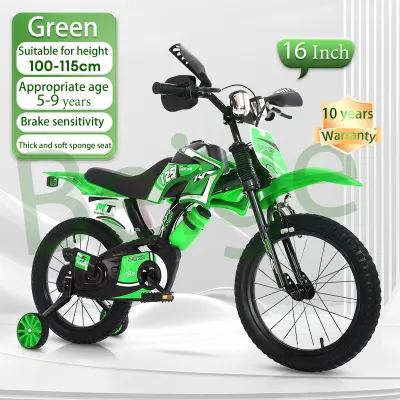
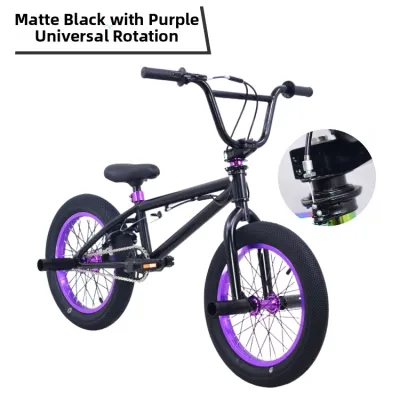
Prices are valid at publication and may change. Please refer to the product page for the latest price.
Standard Height and Age Ranges for a 16-Inch Bike
The “16-inch” designation on a child’s bike refers specifically to the diameter of the wheels, not the height of the frame. While most manufacturers design 16-inch bikes for children standing 100 to 115 centimeters tall, the actual frame geometry can vary widely between brands. For instance, one brand might feature a low-slung top tube that makes mounting easy, while another might have a taller frame that requires a longer reach.
The typical age bracket for this wheel size is 4 to 6 years old. At this stage of development, children are rapidly developing their gross motor skills, bilateral coordination, and spatial awareness. However, chronological age is a highly unreliable sizing metric. A tall 4-year-old might physically fit on a 16-inch bike but lack the hand strength required to operate hand brakes, while a petite 6-year-old might have excellent coordination but require a lower seat height to feel secure.
Additionally, environmental factors in tropical climates should influence your frame choice. High humidity and coastal air can accelerate rust on low-cost steel frames. When looking at 16-inch bikes, check if the frame is made of lightweight, rust-resistant aluminum or if steel components have protective coatings. A lighter aluminum frame is also much easier for a young child to maneuver, balance, and stop safely.
How to Measure Your Child Accurately
To ensure a perfect fit, you must measure your child’s physical dimensions before looking at manufacturer size charts. Relying on clothing sizes or quick guesses often results in purchasing the wrong bike size. Follow these steps to get precise measurements at home.

First, measure your child’s total height. Have them stand flat against a wall without shoes, keeping their heels, upper back, and head in contact with the vertical surface. Place a flat book or ruler on top of their head, parallel to the floor, and mark the wall lightly with a pencil. Use a measuring tape to record the distance from the floor to the mark in centimeters.
Second, measure their inseam length, which is the single most critical measurement for bike sizing. The inseam determines whether your child’s feet can reach the ground when seated. Have your child stand against the wall in their typical riding shoes. Place a hardcover book between their legs, sliding it up gently until it mimics the pressure of a bicycle saddle. Measure the distance from the top edge of the book straight down to the floor.
Finally, compare these measurements against the specific manufacturer’s size chart. Do not assume all 16-inch bikes share the same minimum seat height. The minimum seat height of the bike should closely match your child’s inseam measurement. If your child is a beginner who still relies on training wheels or is just learning to balance, the minimum seat height should be slightly lower than their inseam to allow them to plant both feet flat on the ground.
Physical Signs a 16-Inch Bike Is the Right Fit
While measurements provide a reliable starting point, observing your child on the bike is the ultimate test of suitability. If you are testing a bike at a local shop or adjusting a newly purchased model, look for specific physical signs of a proper fit to ensure maximum control and safety.
Start by checking foot placement while your child is seated on the saddle. For beginners, both feet must be able to rest completely flat on the ground. This flat-foot contact is essential for building confidence, as it allows the child to stop themselves and remain upright without tipping over. For more experienced riders who can balance and stop using hand brakes or coaster brakes, touching the ground with the balls of both feet is acceptable.
Next, observe the knee bend and leg extension during the pedal stroke. When the pedal is at its lowest point, your child’s leg should have a slight, comfortable bend of about 15 to 20 degrees. If their leg is completely straight or their hips rock side-to-side to reach the pedal, the seat is too high. Conversely, if their knees are bent too deeply or point outward excessively, the seat is too low, which can cause joint strain and make pedaling highly inefficient.
Evaluate the reach to the handlebars. Your child should be able to grip the handlebars comfortably with their elbows slightly bent. They should not have to lean forward aggressively, stretch their shoulders, or strain their back to steer. If they have to overextend their arms, their steering control will be severely compromised, making it difficult to navigate turns or avoid obstacles.
Finally, check the stand-over clearance. Have your child stand flat-footed over the top tube of the frame, directly in front of the seat. There should be a minimum clearance of 2.5 to 5 centimeters (1 to 2 inches) between the metal tube and their crotch. This safety gap prevents painful impacts if they slip forward off the saddle during a sudden stop or loss of balance.
When to Size Up or Wait: Transitioning Between Bike Sizes
Deciding when to transition your child to a 16-inch bike requires balancing their current physical size with their riding ability. If your child is currently riding a 12-inch or 14-inch bike, look for signs that they have outgrown it. These signs include their knees consistently hitting the handlebars, the seat post being extended past its maximum safety limit line, or the child looking visibly cramped and struggling to build speed.
A common mistake is purchasing a 16-inch bike for a child who is too small, with the intention of letting them “grow into it.” While this might seem cost-effective, an oversized bike poses significant safety risks. A child riding a bike that is too large will struggle to reach the brake levers, lack the leverage to steer effectively, and be unable to touch the ground to stabilize themselves. This lack of control often leads to scary crashes, which can severely damage their confidence and make them fearful of cycling.
Instead of buying a bike that is too large, look for a 16-inch model that fits them perfectly now but offers excellent adjustability. High-quality kids’ bikes feature adjustable seat posts and handlebars that can be raised and tilted as your child grows. This adjustability ensures the bike remains safe and comfortable for several seasons, allowing you to maximize your investment without compromising your child’s safety on day one.
Frequently Asked Questions (FAQ)
Can a tall 3-year-old ride a 16-inch bike?
A tall 3-year-old can ride a 16-inch bike if their height and inseam measurements align with the bike’s minimum seat height, but physical size is only part of the equation. Parents must also evaluate the child’s motor skills, coordination, and hand strength. Operating a larger, heavier 16-inch bike requires more physical effort to steer and stop. If the child lacks the hand strength to squeeze hand brakes or the coordination to use a coaster brake, it is safer to wait or stick to a smaller balance bike.
Should I buy a larger bike so my child can grow into it?
No, you should avoid buying a larger bike for your child to grow into. An oversized bike compromises safety because the child cannot easily touch the ground, reach the handlebars, or operate the brakes effectively. This lack of control increases the risk of accidents and can discourage them from riding. Choosing a properly fitted 16-inch bike with highly adjustable seat and handlebar components provides plenty of room for growth while keeping their rides safe and enjoyable.
Do all 16-inch bikes come with training wheels?
Many 16-inch bikes come equipped with removable training wheels, but this is not a universal standard. Some models designed for children transitioning directly from balance bikes do not include them. If your child has already mastered balancing on a balance bike, they can usually skip training wheels entirely and transition straight to pedaling. Always check the product specifications of the specific model you are considering to verify if training wheels are included in the box.

Community discussion
Share your experience or ask a question. Comments are reviewed before publication.