
Selecting a baseball bat that delivers supreme performance requires looking far beyond a glossy finish or a premium price tag. For beginners stepping onto the diamond, a high-end bat represents a significant investment in your athletic development. True premium quality is defined by advanced material science, precise structural engineering, and tailored swing dynamics that align with your physical capabilities. Understanding these features allows you to make an informed decision, ensuring your equipment supports your growth as a hitter rather than holding you back.
When searching for a baseball bat, supreme quality is often determined by how efficiently the tool transfers energy from your body to the ball. Basic bats often feel stiff, heavy, or unforgiving on off-center hits. In contrast, premium models are engineered to optimize the sweet spot, minimize painful hand vibrations, and provide a balanced swing weight. By learning what goes into the design and manufacturing of these top-tier sports tools, you can confidently navigate the market and find a bat that elevates your game.
Understanding Premium Bat Materials
The material of a baseball bat dictates its durability, feel, and performance limits. Premium bats generally fall into three categories: natural wood, high-grade aluminum alloys, and advanced composite carbon fibers. Each material behaves differently under impact and requires specific care, especially when playing in challenging environments.
Products mentioned in this guide
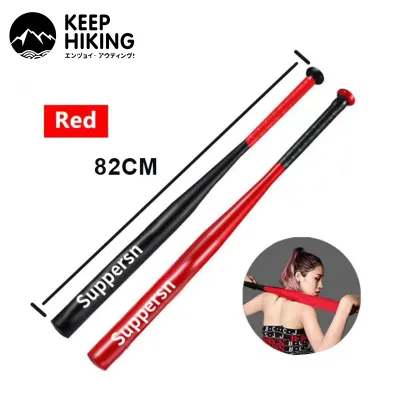
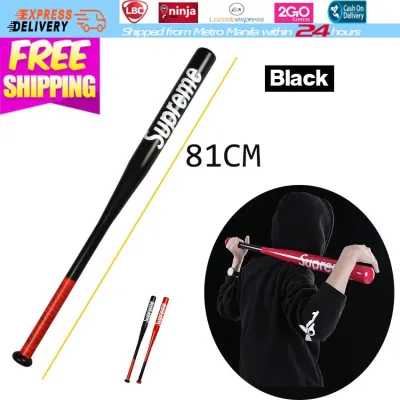
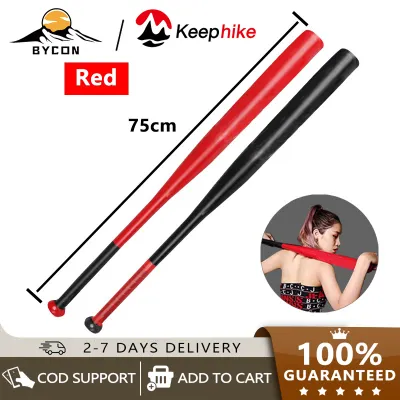
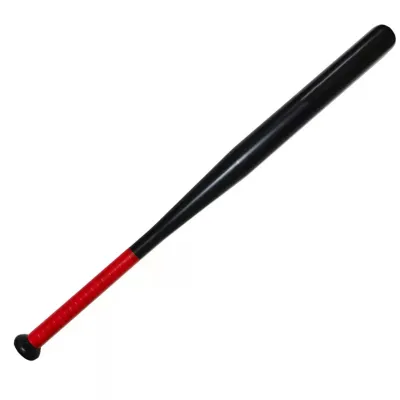

Prices are valid at publication and may change. Please refer to the product page for the latest price.
Natural wood bats remain the gold standard for professional play and traditional training. Among wood types, maple is highly favored for its exceptional density and hardness, which translates to a stiff feel and clean energy transfer. Birch offers a slightly more flexible alternative that gradually hardens with use, while ash provides classic flex and a visible grain structure. When evaluating a premium wood bat, look for a tight, straight grain structure; wider grains often indicate lower density. In the tropical climate of the Philippines, high humidity can cause wood bats to absorb moisture from the air, which increases their weight and makes them more susceptible to flaking or splintering. Storing wood bats in dry, climate-controlled indoor spaces is essential to preserve their structural integrity.
Premium alloy bats are constructed from aerospace-grade aluminum, often blended with trace metals like zinc, copper, or magnesium to increase strength. This added strength allows manufacturers to design bats with incredibly thin walls that still resist denting. Unlike wood or composite options, alloy bats are completely game-ready right out of the wrapper, requiring no break-in period. They also offer excellent durability in wet or humid conditions, making them highly reliable for rainy-season practices. High-end alloy models feature variable wall thickness, meaning the metal is thinner in the hitting zone to maximize rebound and thicker near the taper to maintain structural strength.
Composite bats represent the pinnacle of modern baseball technology, utilizing layered carbon fiber polymers to construct the barrel and handle. This layering process allows engineers to precisely tune the stiffness and flexibility of different sections of the bat. Composite barrels compress slightly upon contact and quickly rebound, creating a highly responsive “trampoline effect” that can drive the ball further. However, these bats require a structured break-in process before they reach peak performance. While composite materials are highly durable, they can degrade if exposed to extreme heat or left in damp, unventilated gear bags. Proper storage away from direct tropical sunlight is crucial to prevent the binding resins from breaking down over time.
Construction and Manufacturing Technologies
How a bat is put together is just as important as the material itself. Premium manufacturing techniques separate high-end bats from budget options by focusing on structural efficiency, vibration control, and ergonomic comfort.

One-piece bats are forged or molded from a single continuous piece of material, whether alloy, composite, or wood. This seamless construction results in a very stiff feel, ensuring that almost no energy is lost when the bat flexes during a swing. Power hitters who already possess high swing speeds often prefer one-piece bats because they deliver direct, immediate feedback and maximum power transfer. On the other hand, two-piece bats connect a separate barrel and handle using a specialized transition joint. This joint acts as a mechanical filter, absorbing high-frequency vibrations before they can reach your hands. Two-piece bats also allow the barrel to flex slightly independently of the handle, creating a whip-like effect that helps contact hitters generate extra bat speed.
Premium manufacturing also optimizes the barrel design by varying the wall thickness across the hitting surface. Instead of a uniform tube, a high-quality bat features multi-thickness walls that expand the effective sweet spot. This means that even if you make contact slightly closer to the hands or the end of the barrel, the bat still delivers solid energy transfer and minimizes distance loss. Budget bats typically have uniform walls, resulting in a very small sweet spot and a harsh feel on off-center hits.
Handle and knob ergonomics are another hallmark of premium construction. High-end bats feature custom-tapered handles that fit naturally into the hands, reducing grip fatigue and improving control. The connection points on two-piece bats are engineered with proprietary elastomer dampeners to isolate vibration. Furthermore, premium bats come equipped with high-traction polymer grip wraps. In hot, humid playing conditions where sweaty hands can compromise your grip, these advanced wraps ensure a secure hold without requiring excessive pine tar or grip spray.
Performance Characteristics and Feel
The true test of a premium baseball bat is how it behaves during a live swing. The physical feedback, balance, and acoustic response of a bat tell you a great deal about its quality and suitability for your hitting style.
Swing weight is determined by the bat’s Moment of Inertia (MOI), which measures how difficult it is to rotate the bat around a pivot point. Balanced bats distribute their weight evenly along the length of the tool, resulting in a lower MOI. This design allows for rapid acceleration and precise barrel control, making it the ideal choice for contact hitters and beginners who are still developing their swing mechanics. End-loaded bats concentrate a portion of their weight toward the end of the barrel, creating a higher MOI. While harder to swing, end-loaded bats generate massive momentum, allowing strong power hitters to drive the ball with greater force.
Active vibration dampening is a critical feature that distinguishes premium bats from basic models. When a ball collides with a bat outside of the sweet spot, it sends harsh vibrational waves down the shaft. Premium bats utilize specialized technologies—such as gel-injected knobs, composite handle inserts, or elastomer collars—to absorb these waves. This protection prevents the painful “sting” in your hands, allowing you to practice longer and swing with confidence, even during cool morning training sessions.
Finally, the acoustic and tactile feedback of a bat provides immediate information about the quality of your contact. A premium alloy bat produces a sharp, clear, high-pitched “ping” when struck cleanly, while a high-end composite bat delivers a distinct, solid “crack” or deep thud. These sounds are not just satisfying; they serve as diagnostic tools. A dull or hollow sound immediately alerts you to an off-center hit, helping you adjust your stance and swing path for the next pitch.
How to Choose the Right Premium Bat for Your Needs
Investing in a high-quality bat requires a systematic approach to ensure the equipment matches your physical profile, skill level, and league regulations.
First, you must understand sizing metrics, specifically length and drop weight. Drop weight is a negative number calculated by subtracting the weight of the bat in ounces from its length in inches. For example, a 33-inch bat that weighs 30 ounces has a drop weight of -3. Younger players and beginners generally benefit from lighter bats with higher drop weights (such as -10 or -8) because they make it easier to maintain proper swing form and speed. High school, collegiate, and adult leagues typically mandate a drop weight of -3, which requires greater physical strength to swing effectively. Always match the bat’s length and weight to your height and physical strength rather than simply buying the longest bat available.
Second, verify the mandatory league certifications required for your specific competition. Baseball governing bodies regulate bat performance to ensure safety and fair play. Look for official certification stamps printed directly on the taper of the bat. The most common certifications include BBCOR (standard for high school and college, limiting the trampoline effect to match wood performance), USA Baseball (common in youth leagues), and USSSA (which allows for higher performance limits). Purchasing a premium bat without the correct certification stamp means you will not be allowed to use it in official games, rendering your investment useless.
Third, establish a realistic budget in Philippine Pesos (₱) based on your level of commitment. Premium baseball bats in the local market typically range from ₱12,000 to over ₱25,000, depending on the materials and technology involved. For a beginner, spending ₱20,000 or more is only practical if you are committed to playing in organized, competitive leagues where certified performance limits are necessary. If you are playing casual weekend games or just starting to learn the sport, a high-quality mid-tier alloy bat priced between ₱6,000 and ₱10,000 offers excellent durability, a generous sweet spot, and reliable performance without the premium price tag.
Verification and Pre-Purchase Checks
Before finalizing your purchase, perform a series of physical and visual checks to ensure you are receiving a genuine, high-quality product that is fully compliant with your league’s rules.
Start by inspecting the certification stamps and holograms on the bat’s barrel and taper. Genuine premium bats feature crisp, permanent laser-etched or high-quality printed logos for BBCOR, USA Baseball, or USSSA. Be cautious of blurry printing, misaligned decals, or stickers that can be easily peeled off, as these are common signs of counterfeit products. Buying from authorized local sports retailers or reputable online platforms is the best way to avoid counterfeit gear.
Next, carefully review the manufacturer’s warranty policy. High-end composite and alloy bats usually come with a limited one-year warranty that covers structural failures, such as severe denting, cracking, or loose end caps. Ensure the seller provides an official receipt and a warranty registration card. Keep in mind that warranties typically do not cover cosmetic damage, normal wear and tear, or damage caused by using the bat with heavy training balls or in temperatures below recommended limits.
Finally, conduct a thorough physical inspection of the bat. Run your hands along the entire length of the barrel to check for any flat spots, subtle dents, or surface irregularities, which can occur during shipping. For composite bats, look closely for tiny hairline fractures or seam separations along the barrel. If you are purchasing a premium wood bat, perform the “ink dot test” check: look for a small ink dot applied to the handle, which is used to measure the straightness of the wood grain. A straight grain line running parallel to the length of the bat indicates superior strength and resistance to splitting.
Frequently Asked Questions (FAQ)
Do premium baseball bats require a break-in period?
Whether a bat requires a break-in period depends entirely on its material. Premium alloy bats are ready for game play immediately out of the wrapper and do not require any break-in. Composite bats, however, must be broken in gradually to allow the carbon fiber layers to loosen and reach their optimal flex. To break in a composite bat, hit a stationary ball off a tee or take soft-toss pitches for about 150 to 200 swings. Start at half-power and gradually increase your swing speed, making sure to rotate the bat a quarter-turn after every hit to ensure the barrel breaks in evenly.
Is a more expensive bat guaranteed to improve hitting power?
While a premium bat optimizes energy transfer, expands the sweet spot, and reduces hand sting, it cannot replace proper hitting mechanics. The primary drivers of hitting power and distance are your swing speed, physical strength, and hand-eye coordination. A high-end bat helps you maximize your existing physical capabilities and provides better results on off-center hits, but consistent practice and proper technique remain the most important factors in improving your performance on the field.

Community discussion
Share your experience or ask a question. Comments are reviewed before publication.