
A truly heavy-duty stationary bike is defined by its structural engineering rather than a bold marketing label. To identify a machine built for long-term durability, you must look closely at three core specifications: a high maximum weight capacity, a robust steel frame, and a substantial flywheel weight. These elements work together to ensure the bike remains stable during high-intensity workouts and resists wear over years of daily use. Understanding how to evaluate these technical details allows you to make an informed investment for your home gym, especially in tropical climates where humidity can accelerate wear on lower-quality materials.
Decoding the 'Heavy Duty' Label in Fitness Equipment
In the fitness equipment market, the term “heavy duty” is frequently used as a promotional buzzword to attract buyers. However, there is a vast difference between a standard entry-level bike designed for light, occasional use and a machine engineered to withstand high-frequency, high-intensity training. True heavy-duty construction is about structural integrity, precision engineering, and the lifespan of internal components under continuous load.
When a bike is genuinely heavy-duty, its design prioritizes durability over portability. Standard home-use bikes often utilize thin-walled tubing and plastic bushings to keep costs and shipping weights low, which can lead to early mechanical failure. In contrast, heavy-duty models are built with commercial-grade standards in mind, ensuring that the frame, bearings, and resistance mechanisms do not degrade when subjected to daily, vigorous workouts by multiple household members.
Products mentioned in this guide
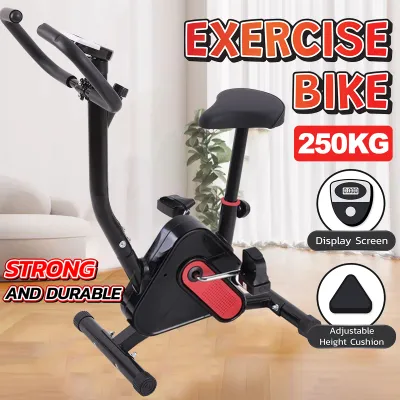
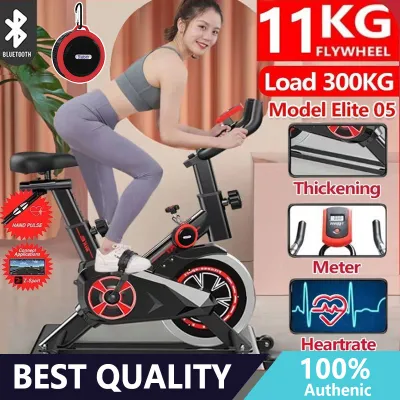
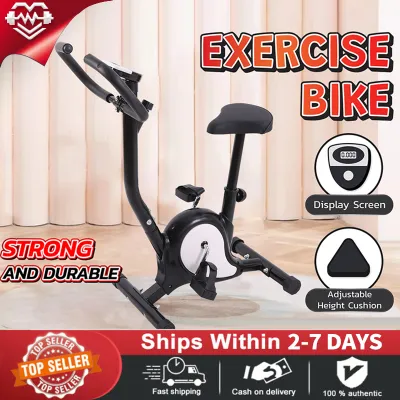
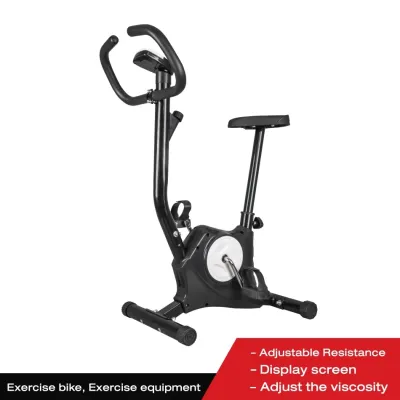
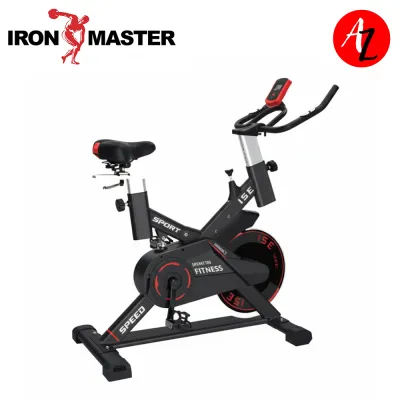
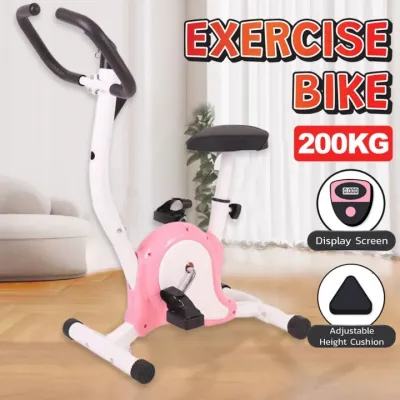
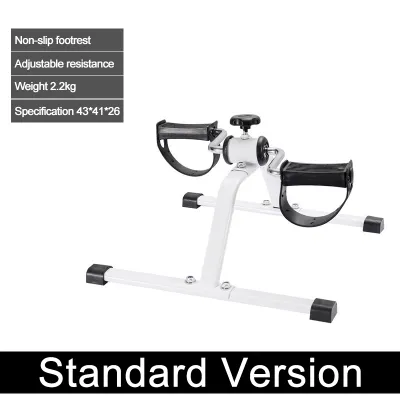
Prices are valid at publication and may change. Please refer to the product page for the latest price.
Core Specifications That Define Durability and Stability
To cut through marketing claims, you must verify the actual engineering specifications provided by the manufacturer. These metrics offer an objective look at how the bike is built and how it will perform under pressure. By cross-referencing these key specifications, you can determine whether a stationary bike is truly capable of supporting your fitness goals without wobbling, squeaking, or breaking down over time.

Weight Capacity and Frame Material
The maximum user weight capacity is one of the most direct indicators of a stationary bike’s structural strength. When evaluating this specification, look for a capacity that exceeds your actual body weight by a comfortable safety margin. This margin accounts for the dynamic forces generated when you stand up to pedal or transition quickly during high-intensity interval training (HIIT).
The frame material serves as the foundation for this weight capacity. Heavy-gauge steel is the industry standard for durable fitness equipment, offering superior rigidity compared to lightweight aluminum or thin alloy tubing. Pay close attention to the thickness of the steel tubes and the quality of the welds at major joints, as these areas bear the brunt of your physical output. In humid environments like the Philippines, high-quality powder coating or rust-resistant paint finishes are essential to protect the steel frame from sweat-induced corrosion.
Additionally, a stable bike requires a solid base. Look for models with a wide footprint and heavy-duty leveling feet, often called stabilizers. These adjustable feet allow you to level the bike on slightly uneven floors, preventing dangerous rocking or sliding when you are sprinting out of the saddle.
Flywheel Weight and Drive System Build
The flywheel is the heavy metal disk that spins when you pedal, and its weight directly influences the smoothness of your ride. A heavier flywheel creates more kinetic energy and momentum, mimicking the natural feel of riding an outdoor bicycle. Because a heavy flywheel places greater physical stress on the bike’s internal structure, manufacturers must pair it with robust bearings, a reinforced axle, and a heavy-duty crankset to prevent premature wear.
The drive system, which connects the pedals to the flywheel, also plays a critical role in durability. Belt-drive systems are popular for home use because they operate quietly and require virtually no lubrication, though the belt must be made of high-tensile materials to prevent stretching. Chain-drive systems are incredibly durable and offer a classic road-bike feel, but they require regular oiling and maintenance to prevent rust, especially in humid tropical climates.
Finally, inspect the crankset and pedal attachments. Heavy-duty bikes typically feature a three-piece crankset, which separates the spindle from the pedal arms, offering much greater strength than a cheap one-piece design. The pedals should have standard threads and robust straps to ensure your feet remain securely attached during intense efforts.
How to Verify Build Quality Beyond the Spec Sheet
While specifications on paper provide a solid starting point, verifying real-world build quality requires looking beyond the basic spec sheet. One of the most reliable indicators of a manufacturer’s confidence in their product is the warranty structure. A heavy-duty bike should come with a robust warranty that separates coverage for the frame, mechanical parts, and labor. A long frame warranty suggests that the structural steel is built to last, while a shorter parts warranty might signal that the electronics or wear-and-tear components are more basic.
Analyzing verified buyer reviews is another excellent way to gauge long-term durability. Look specifically for feedback from users who have owned the bike for six months or longer, paying attention to mentions of persistent squeaks, pedal thread stripping, or console failures. These recurring complaints often highlight weak points in the bike’s design that are not apparent during a brief initial test.
If you have the opportunity to inspect the bike in person, perform a physical stability check. Grip the handlebars and the seat post firmly, then shake the machine from side to side to see if there is any play or flexing in the adjustment joints. High-quality adjustment knobs should tighten securely without slipping, and the seat slider should feel solid and heavy.
Matching Heavy-Duty Specs to Your Workout Routine
Choosing the right level of durability depends heavily on your specific workout routine, household size, and budget. If the bike will be used daily by multiple family members, or if you plan to engage in frequent, high-intensity cycling classes, investing in maximum heavy-duty specifications is highly recommended. The extra stability and wear resistance will prevent the machine from degrading under constant, varied use.
Conversely, if you are the sole user and prefer moderate, steady-state cardio sessions, a mid-tier durable bike may suit your needs perfectly. This approach prevents you from spending extra ₱ on commercial-grade features that exceed your actual physical demands.
Before making your final decision, measure your dedicated workout space. Heavy-duty bikes often feature a larger footprint and a heavier overall weight, making them more difficult to move around. Ensure you have enough clearance around the bike for safe mounting and dismounting, and check if the model includes transport wheels to help you reposition it when cleaning.
Frequently Asked Questions (FAQ)
Is a heavier flywheel always better for a heavy-duty bike?
Not necessarily. While a heavier flywheel traditionally ensured a smoother ride, modern magnetic resistance systems can create a highly consistent and challenging workout using lighter flywheels. Instead of focusing solely on flywheel weight, evaluate the overall quality of the drive system, the precision of the magnetic resistance, and the sturdiness of the frame.
Do heavy-duty stationary bikes require more floor space?
Yes, heavy-duty models generally require a slightly larger footprint than lightweight, folding bikes. Their wider base stabilizers are designed to prevent tipping and wobbling during intense workouts. You should also plan for extra clearance space around the bike to ensure safe mounting, dismounting, and proper ventilation during your exercise sessions.

Community discussion
Share your experience or ask a question. Comments are reviewed before publication.