
A truly heavy-duty tent is defined by measurable material grades, structural design, and weatherproofing specifications rather than marketing labels. To find a shelter that can withstand torrential tropical downpours, high winds, and rough terrain, you must look past the “heavy-duty” buzzword on the packaging. Evaluating the fabric’s denier, the pole material, and the construction details of the seams and zippers will tell you exactly how much abuse a tent can handle.
Decoding the 'Heavy Duty' Label in Outdoor Gear
The term “heavy duty” is frequently used by manufacturers as a marketing label rather than a standardized industry certification. Unlike safety equipment that carries official ratings, camping tents do not have a single governing body that defines what makes a shelter heavy-duty. This means a cheap, thin tent sold on an online marketplace can carry the same label as a rugged, expedition-grade canvas shelter.
To make an informed purchase, you must rely on verifiable technical specifications rather than promotional descriptions. Reliable manufacturers publish detailed spec sheets listing the exact materials, fabric thicknesses, and coatings used in their products. Learning to read these specifications allows you to compare different models objectively and choose a tent that matches your actual camping needs.
Products mentioned in this guide
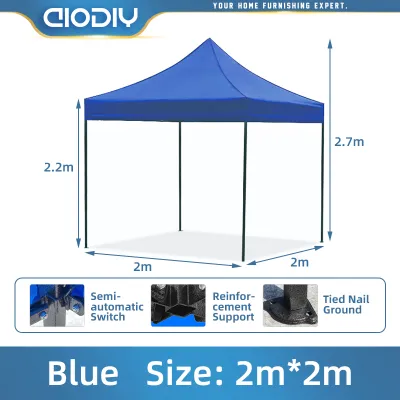
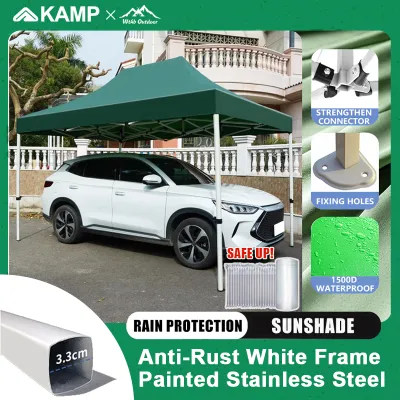
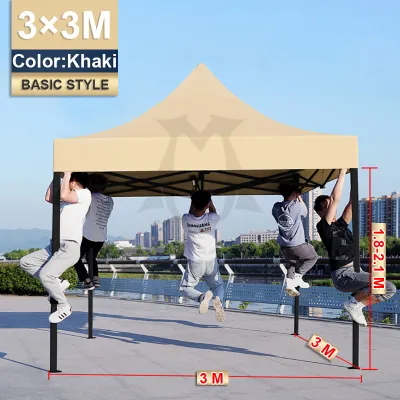
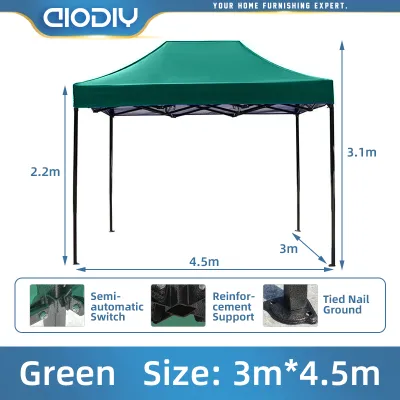
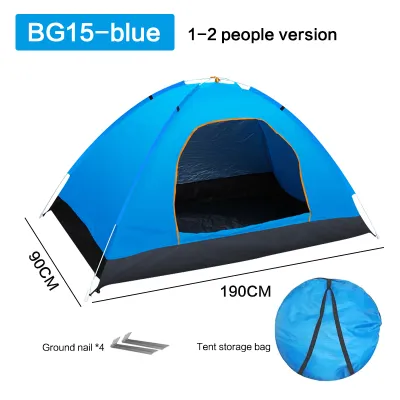
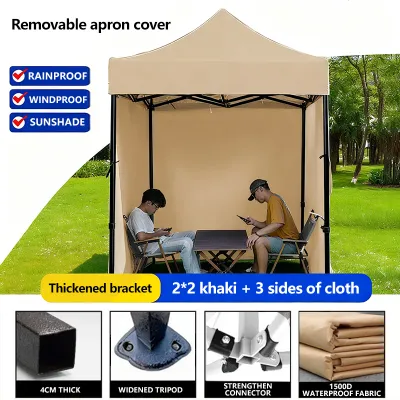
Prices are valid at publication and may change. Please refer to the product page for the latest price.
Before spending your hard-earned money, always check the manufacturer’s official product documentation for specific material grades. If a brand refuses to disclose the denier of the fabric or the material of the poles, it is wise to treat their durability claims with skepticism.
Evaluating Tent Fabric: Denier, Thread Count, and Coatings
The durability of a tent canopy, rainfly, and floor depends heavily on the fabric’s denier (D) and thread count (T). Denier measures the weight and thickness of the individual threads used to weave the fabric, with higher numbers indicating thicker, more abrasion-resistant yarns. For a heavy-duty tent, look for a rainfly with a denier rating of at least 75D, while the floor should ideally be 150D or higher to resist punctures from rocks and twigs.

Different fabric types offer distinct advantages and trade-offs when exposed to harsh environments. Polyester is a common choice for heavy-duty rainflies because it resists UV damage and does not stretch or sag when wet, which is crucial during prolonged tropical storms. Nylon is lighter and highly elastic, but it can absorb water and sag over time unless treated with specialized coatings like silicone. Canvas, made from heavy cotton, is exceptionally durable and breathable but is very heavy and requires careful drying to prevent rot.
Waterproofing is another critical specification to verify, usually measured by a hydrostatic head rating in millimeters (mm). This rating indicates the amount of water pressure the fabric can withstand before leaking. For reliable protection in heavy rain, look for a rainfly rated at 1,500mm to 3,000mm, and a floor rated even higher to handle the pressure of your body weight pressing against damp ground.
Pole Materials and Structural Design for Stability
A tent’s frame is its backbone, determining whether the structure will stand firm or collapse under sudden gusts of wind. Fiberglass poles are common in budget tents, but they are prone to splintering and shattering under high tension or in strong winds. For a heavy-duty setup, aluminum poles are the industry standard because they offer an excellent strength-to-weight ratio, flex without breaking, and can be easily repaired in the field.
When evaluating aluminum poles, pay attention to the specific alloy grade and the pole diameter. Higher-grade alloys, such as 7000-series aluminum, offer greater rigidity and resistance to bending compared to lower-grade options. Thicker poles with robust wall dimensions provide greater structural integrity, which is essential if you plan to camp in exposed coastal areas or high-altitude campsites.
Beyond material composition, the geometric design of the frame dictates how well the tent distributes stress. Tents with multiple pole intersection points are inherently more stable because the load is shared across the entire structure. Look for designs where the poles cross each other multiple times, creating a rigid dome or geodesic shape that can shed wind from any direction.
Critical Construction Details: Seams, Zippers, and Floors
Even the toughest fabric will fail if the seams are poorly constructed. Water is most likely to penetrate a tent at the stitching lines, where needles have punctured the waterproof fabric. A heavy-duty tent must feature factory-taped or sealed seams, where a waterproof tape is thermally applied over the stitching to block water entry. Visually inspect these seams to ensure the tape is flat, fully adhered, and free of bubbles or lifting edges.
Zippers are another common failure point on outdoor gear, especially when subjected to tension from a tightly pitched tent. Look for heavy-duty, branded zippers with large teeth, which are less likely to snag or split under pressure. The doors and windows should also feature wide storm flaps that fold over the zippers, preventing wind-driven rain from forcing its way through the zipper teeth.
The design of the tent floor is your primary defense against ground moisture and pooling water. A bathtub floor design, where the waterproof floor material extends several inches up the sides of the tent before meeting the wall fabric, is essential. This construction ensures that seams are kept well above the ground level, preventing standing water from seeping into your sleeping area.
Matching Heavy-Duty Specifications to Your Camping Environment
Choosing the right tent requires balancing the need for durability with the practicalities of transport and setup. If you are car camping with family, a heavy, thick-walled canvas or polyester tent with steel or thick aluminum poles offers maximum longevity and comfort. However, if you are hiking long distances, you will need to find a balance, opting for high-tenacity, lower-denier nylon fabrics and lightweight aluminum poles to keep your pack weight manageable.
Consider the specific weather conditions of your camping destination to avoid over-specifying or under-specifying your gear. In hot, humid tropical climates, a heavy-duty tent must feature extensive mesh ventilation panels alongside a robust rainfly to prevent condensation buildup inside. Without adequate airflow, the interior of a highly waterproof tent can quickly become damp and uncomfortable.
Finally, use the manufacturer’s season rating as a general guide for the tent’s intended environment. A three-season tent is designed to handle typical rain, light wind, and moderate conditions, making it suitable for most camping trips. A four-season tent, however, features heavier fabrics, more poles, and a low-profile design built specifically to withstand heavy snow loads and extreme gales, though it may lack the ventilation needed for warm-weather camping.
Frequently Asked Questions (FAQ)
Does a higher hydrostatic head rating always mean a better tent?
Not necessarily, as excessively high ratings can introduce trade-offs in fabric performance. To achieve extremely high waterproof ratings, manufacturers must apply thicker polyurethane coatings, which can make the fabric stiff, heavy, and less breathable. For most camping scenarios, a rainfly rating between 1,500mm and 3,000mm provides excellent protection without sacrificing packability or ventilation.
How can I test a tent's heavy-duty claims before a major trip?
Before heading into the wilderness, pitch your new tent in a controlled environment like your backyard or a local park. Inspect all the seams for complete tape coverage, test the zippers for smooth operation, and check that the poles fit securely into their grommets. You can also run a garden hose over the pitched rainfly for a few minutes to verify that the waterproof coatings and seams are functioning correctly, making sure to dry the tent completely before packing it away.

Community discussion
Share your experience or ask a question. Comments are reviewed before publication.